Shielding Astronauts in the Deep Void
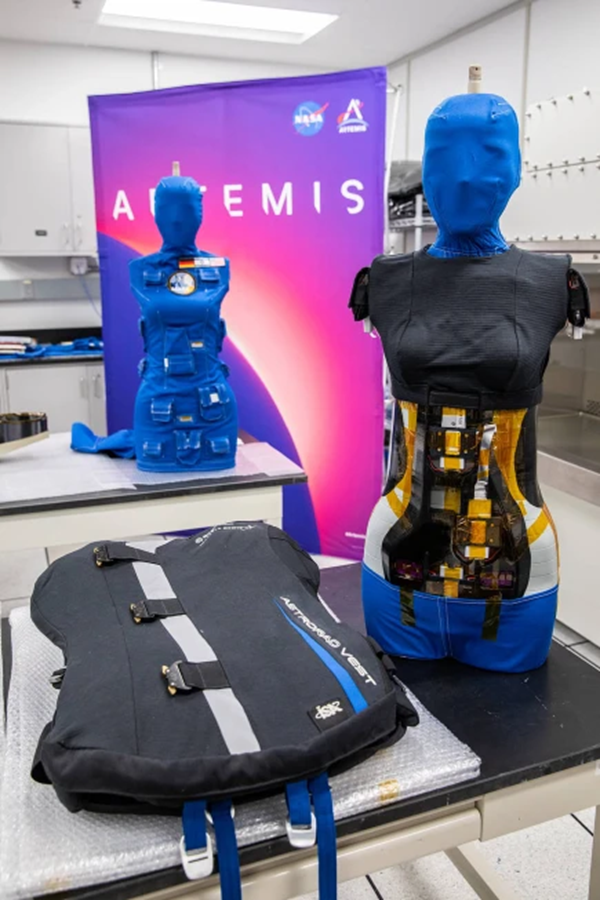
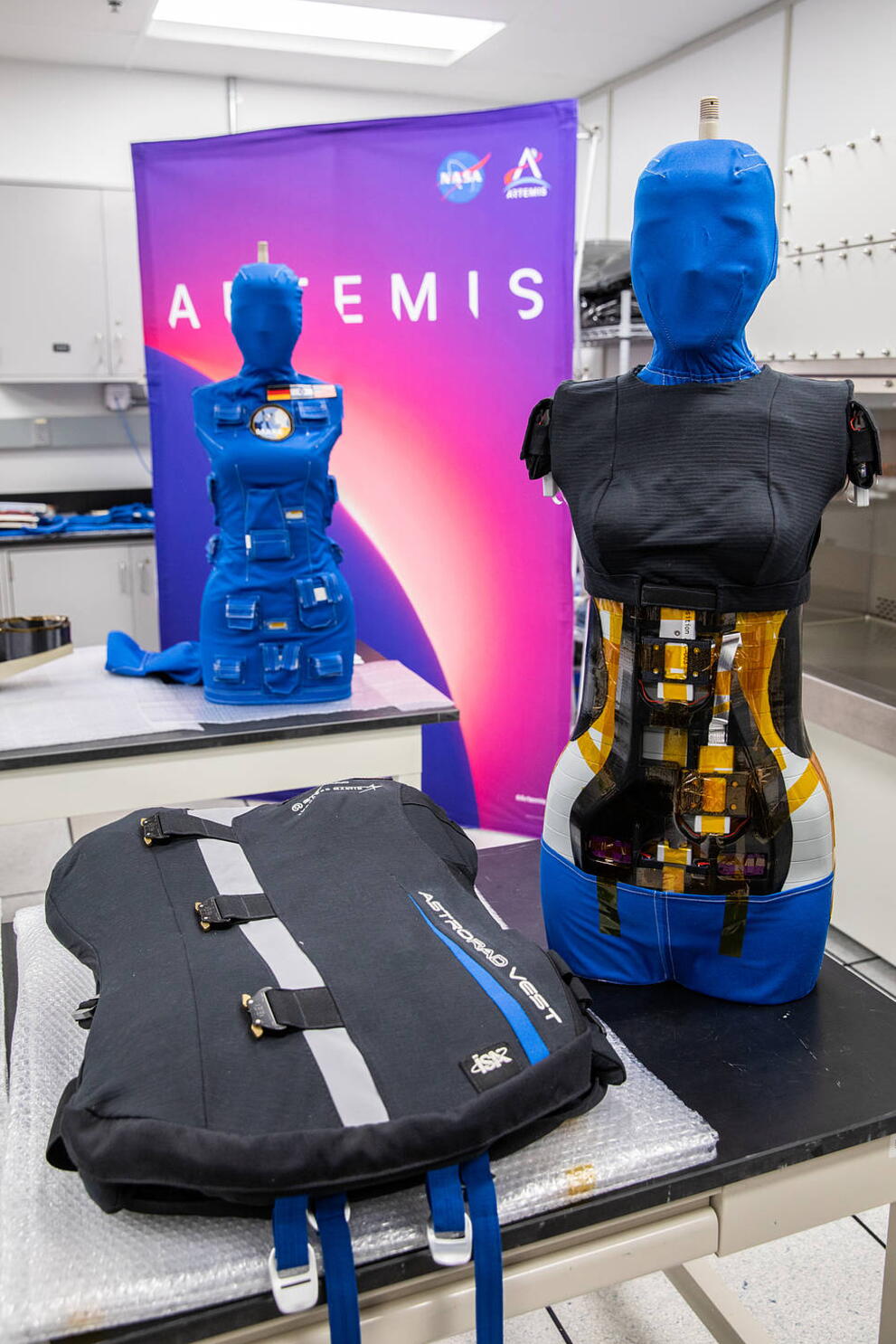
For astronauts venturing beyond the protective blanket of Earth’s magnetosphere, solar storms represent a constant, invisible threat. High-energy protons released during these events can deliver lethal doses of radiation in hours. However, a new study evaluating the AstroRad vest—tested on a manikin during NASA’s uncrewed Artemis I moon mission—suggests we finally have a viable solution to keep human explorers safe.
A 60% Reduction in Radiation Risk
The study indicates that the AstroRad vest can reduce an astronaut's radiation dose by nearly 60%. Researchers simulated a 1972-class solar storm, finding that the vest would drop an exposure level from a dangerous 222 millisieverts (mSv) to just 87.5 mSv. This level is well below NASA's career limit of 600 mSv, effectively keeping astronauts within safe operational margins.
- Selective Shielding: The vest uses thicker layers over radiation-sensitive tissues like bone marrow, lungs, and the stomach, while keeping other areas thinner to maintain range of motion.
- Operational Capability: Instead of being forced to hunker down in a shielded bunker during a storm, astronauts wearing the vest can remain mobile and continue their critical mission tasks.
- Advanced Materials: The garment is constructed from a high-density, hydrogen-rich polymer designed to block charged particles without the bulk of traditional lead-based shielding.
Why This Matters for Mars
The success of the Artemis I test is a major milestone for long-duration deep space exploration. According to Jordan Houri, lead scientist for space exploration at StemRad and the study’s lead author, this is the most significant radiation protection experiment ever conducted for astronauts. By prioritizing the protection of organs with the highest sensitivity to radiation, the design maximizes safety while ensuring the crew is not hampered by excessive weight or restricted movement.
Different organs and tissues have very different sensitivities to radiation, so shielding every part of the body equally is not the most effective.
— Jordan Houri, Lead Scientist, StemRad