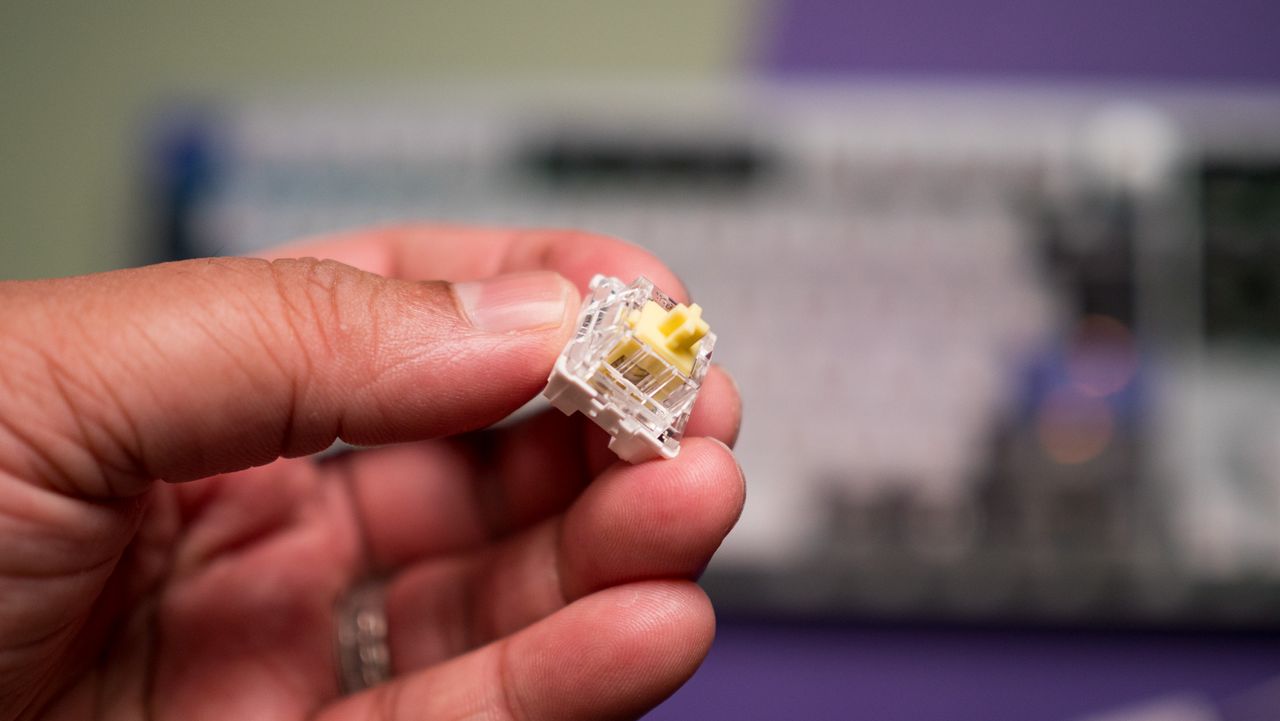
A New Era of Input Technology
For decades, the mechanical keyboard was the gold standard for enthusiasts and gamers alike. However, the landscape has shifted rapidly. Today, manufacturers are moving toward optical and magnetic Hall Effect switches, promising lower latency and higher durability. Understanding these technologies is no longer just for hardware nerds—it is essential for anyone looking to build or buy a high-performance keyboard.
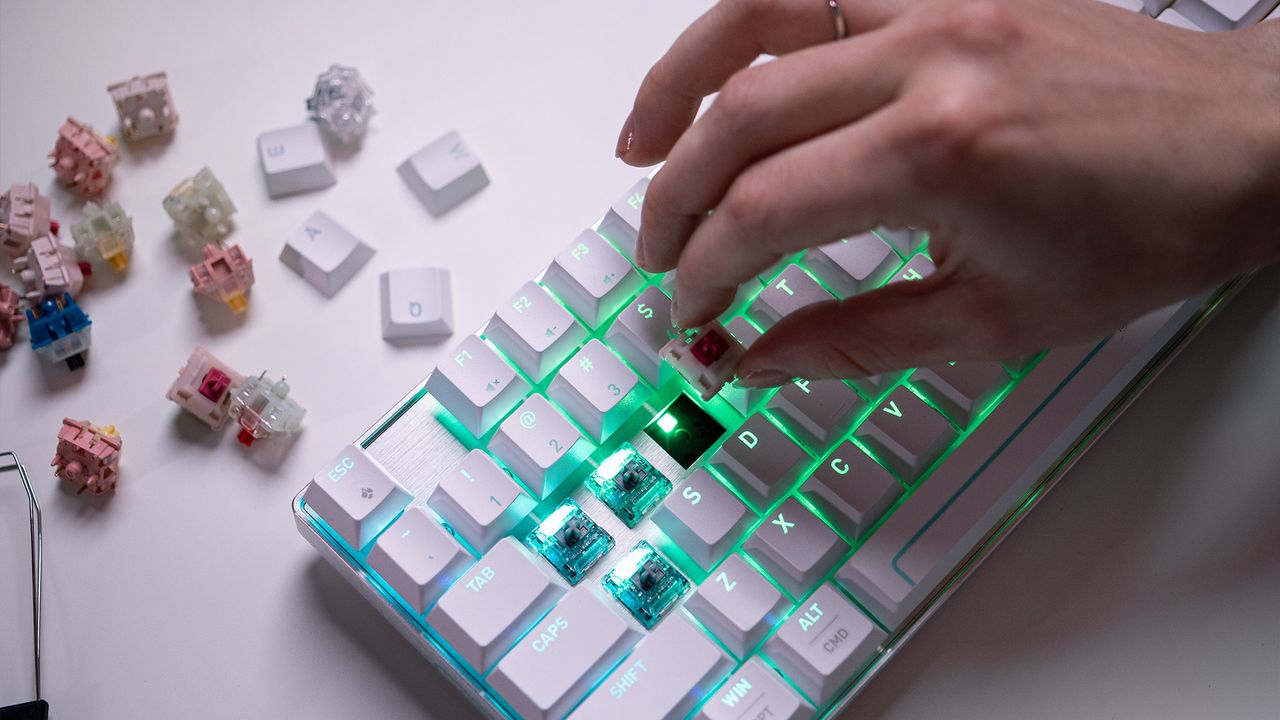
Mechanical, Optical, and Hall Effect: The Core Differences
While all three types aim to register your keystrokes, they do so using fundamentally different physics:
- Mechanical Switches: The traditional choice, using physical metal contacts to register a press. They offer a diverse range of typing sounds and tactile feedback profiles.
- Optical Switches: These utilize infrared light to detect a keystroke. By breaking a light beam rather than relying on metal-to-metal contact, they offer increased speed and longevity.
- Hall Effect (Magnetic) Switches: The current premium standard. These use magnetic sensors to measure the precise distance a key is pressed, enabling features like adjustable actuation and 'Rapid Trigger'.
Performance and the Latency Misconception
A common mistake in the gaming community is assuming the switch itself is the sole factor in keyboard latency. In reality, switch speed is just one link in a chain that includes the MCU (microcontroller) processing, firmware optimization, USB polling rates, and OS scheduling. While Hall Effect and optical switches provide a hardware-level speed advantage, the total performance of a keyboard is a product of the entire processing chain.
One of the biggest misconceptions in keyboard marketing is that switch technology alone determines latency.
— DrunkDeer
Which One Should You Choose?
If you are prioritizing customization, especially for competitive gaming, Hall Effect technology is currently the most future-proof investment. Its ability to support rapid trigger adjustments gives users an edge that mechanical switches cannot replicate. However, for those who value the classic tactile experience and variety of typing feels, high-quality mechanical switches remain a powerhouse. Optical switches sit in the middle, offering a balanced, reliable experience for users who want modern performance without the complexity of magnetic adjustment.