A New Chapter for Grid Stability
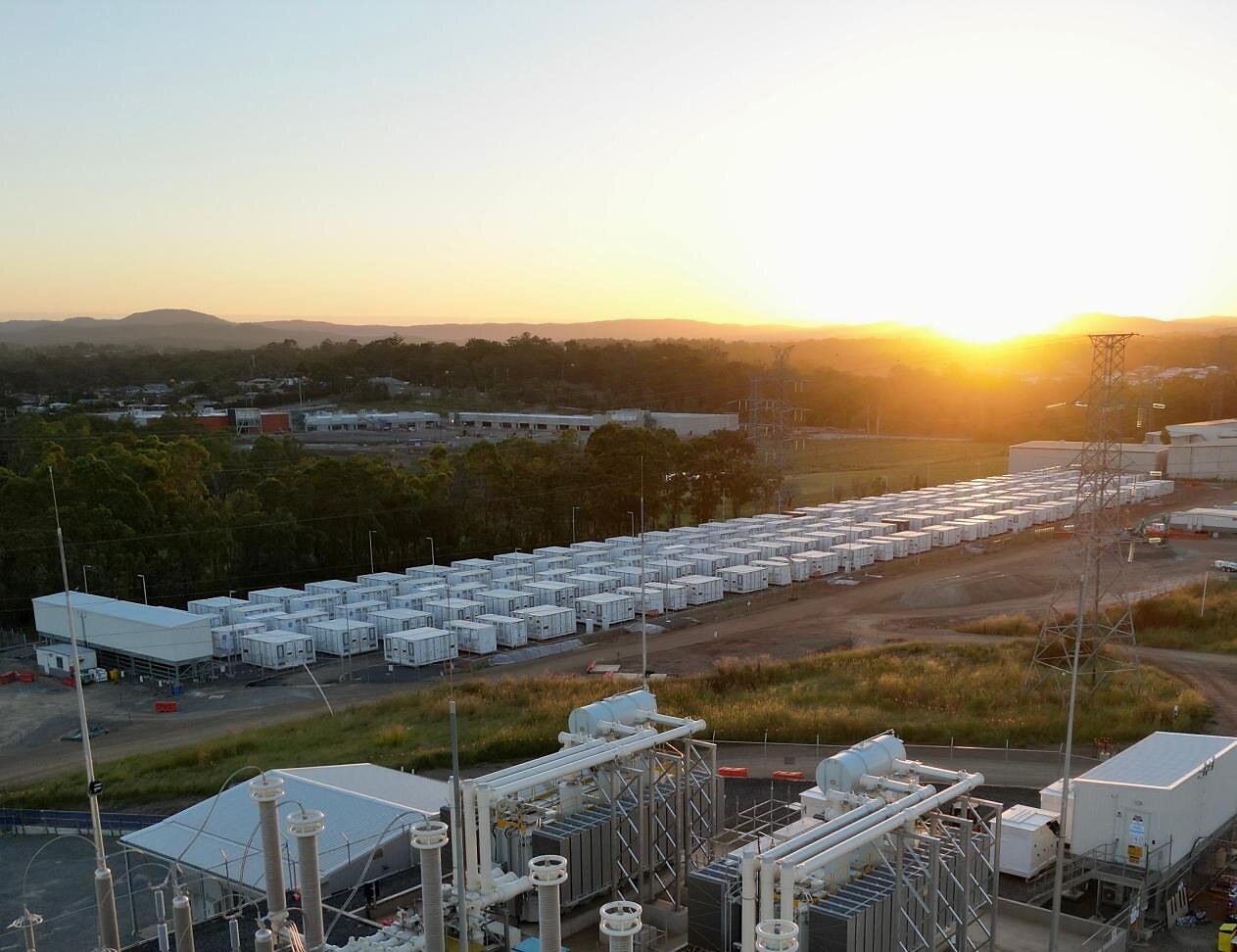
In the race to decarbonize the grid, storage is the name of the game. Australia is currently witnessing a massive leap forward in this space as the Supernode battery energy storage system (BESS)—already one of the country's largest projects—hits pivotal milestones. With Stage 2 now officially in commercial operation and A$469 million in new financing secured for Stage 3, the project is moving rapidly toward its goal of becoming a multi-gigawatt-hour power hub.
The project, spearheaded by Quinbrook Infrastructure Partners, is strategically located at the South Pine switchyard in Queensland. By anchoring a mix of renewable-powered digital infrastructure and large-scale storage, it serves as a critical buffer for the state's electricity grid.
Powering Up: The Growth of Supernode
The transition to a clean energy future requires more than just solar panels and wind turbines; it requires the ability to store that energy for when the sun sets or the wind dies down. Supernode was designed with this exact challenge in mind.
- Stage 2 commercial operation is now live, providing immediate support to the Queensland grid.
- Financial close of A$469 million for Stage 3 ensures continued construction and expansion.
- The project is being developed in partnership with leading global battery manufacturer CATL.
- Future-proofing: Plans are already in motion to explore a multi-gigawatt-hour extension for the facility.
Why Location Matters
What makes Supernode unique is its physical footprint and technical integration. By situating the facility near the central node of the Queensland electricity grid, the developers have successfully minimized marginal loss factors and curtailment risks—two common hurdles for large-scale renewable projects. This allows the battery array to act as a 'shock absorber' for the grid, helping to maintain stable power flow even during periods of high demand.
The Supernode project is a game-changer for Queensland. It is not just about powering the grid; it marks a significant leap forward in firming and renewable energy integration which represents the future of energy storage and grid stability.
— James Allan, Senior Director, Quinbrook