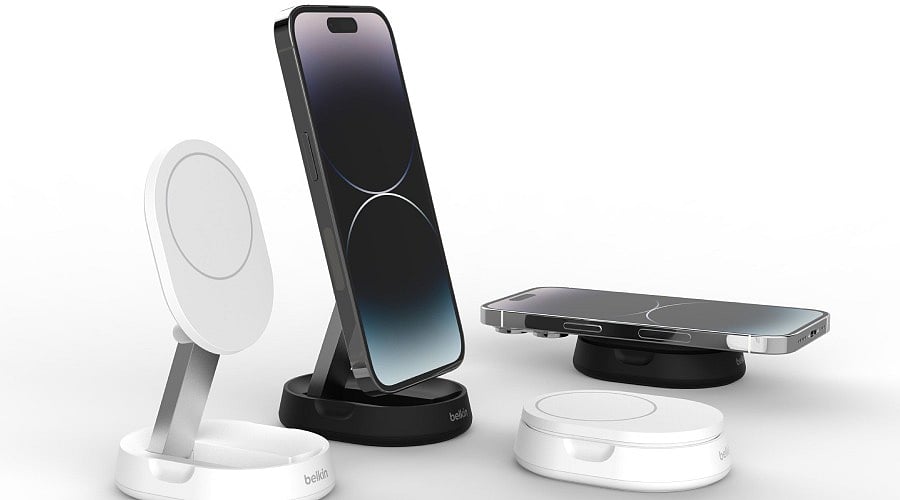
The Shift to Magnetic Wireless Charging
For years, the convenience of wireless charging was marred by the frustration of misaligned coils and slow power delivery. The arrival of the Qi2 standard has fundamentally changed that narrative. By incorporating magnetic alignment—similar to Apple’s MagSafe—Qi2 ensures that your device snaps into the perfect position every time, optimizing power efficiency and charging speeds.

Which Phones Support Qi2 in 2026?
As of mid-2026, the ecosystem of Qi2-compatible devices has expanded significantly. While Apple led the charge, major Android manufacturers are now bringing the technology to the mainstream.
- Apple: The iPhone 16 and iPhone 17 lineups are fully optimized for Qi2 and the newer Qi2.2 standard, supporting magnetic charging up to 25W.
- Google: The Pixel 10 family, including the Pro and Pro XL, has officially adopted Qi2, marking a major milestone for Android integration.
- Samsung: The Galaxy S26 series and Z Fold 8 models support magnetic wireless charging, though often require a compatible magnetic case to utilize the full Qi2 locking mechanism.
- HMD: The HMD Skyline stands out as one of the earlier Android adopters of the Qi2 ecosystem.
Understanding Qi2.2 and Future Implications
The landscape isn't just about Qi2 anymore. The emergence of the Qi2.2 standard represents the next phase of wireless power. Capable of delivering up to 25W, Qi2.2 is designed to meet the increasing battery demands of modern flagship smartphones. For users, this means shorter wait times at the charging station and a more robust, standardized accessory market that works across different device brands.
Using a Qi-certified charger ensures safe, efficient charging and compatibility with all Qi-enabled phones.
— Wireless Power Consortium