A Legal Ultimatum for Public Health
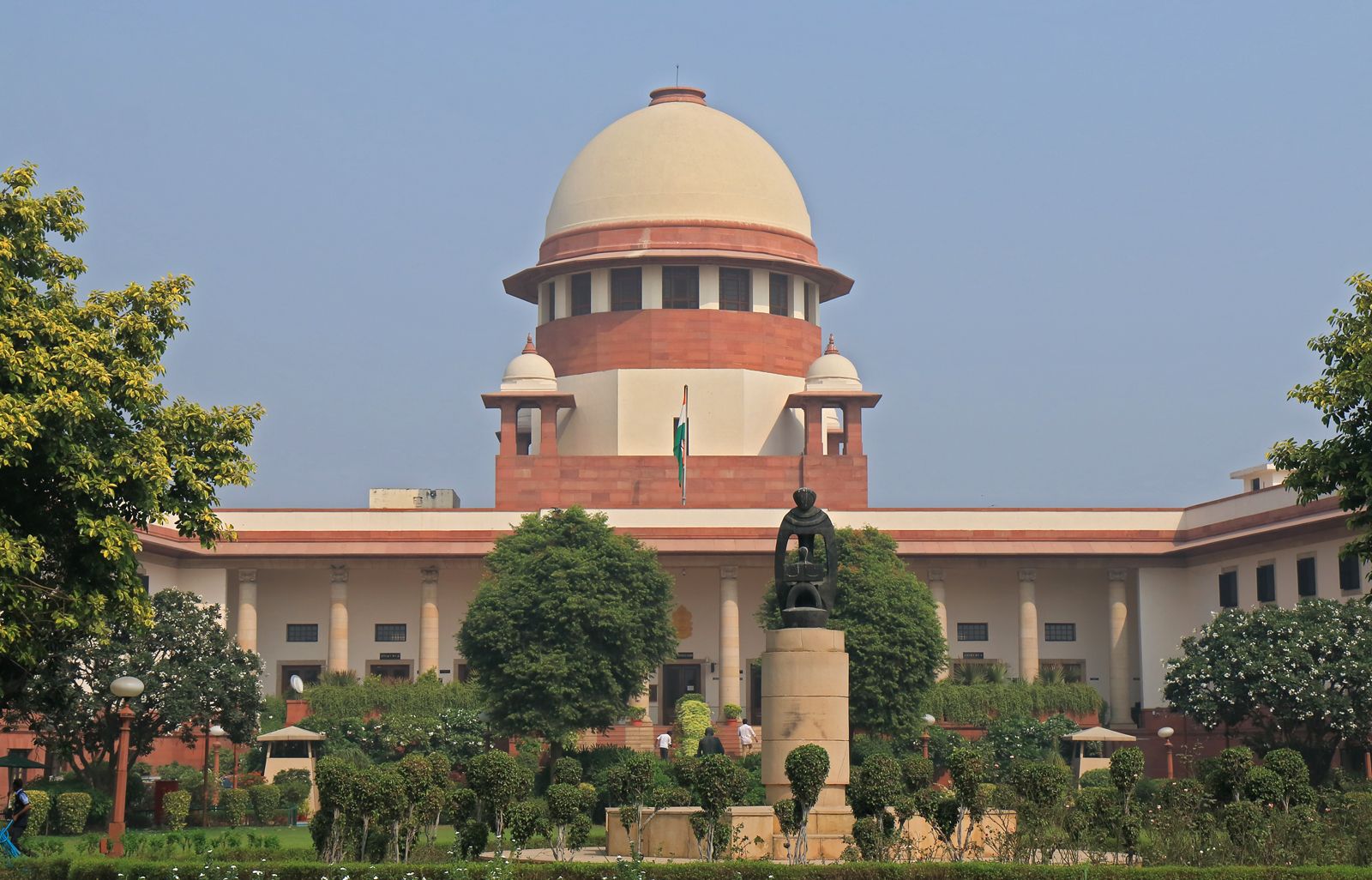
The debate over what goes into our food—and how it is communicated—has reached a boiling point. On August 13, 2026, the Supreme Court of India delivered a scathing critique of the Food Safety and Standards Authority of India (FSSAI). The court questioned the regulator's continued failure to implement clear, front-of-pack warning labels on packaged products high in sugar, salt, and saturated fats.
For consumers, this is more than just a regulatory dispute. It represents a potential shift toward transparency, ensuring that shoppers can easily identify the health profile of the food they purchase for themselves and their families.
Why the Court is Intervening
The hearing, presided over by Justices J.B. Pardiwala and K. Vinod Chandran, stemmed from a petition filed by the Kerala-based NGO, 3S and Our Health Society. The NGO sought judicial intervention to force the government to mandate warning labels that clearly signal high levels of harmful ingredients. The court expressed frustration that little progress has been made, pointedly asking the FSSAI if they were 'taking the court for a toss.'
- The court expressed concern that the regulator might be succumbing to pressure from corporate food manufacturers.
- Justices directly questioned if the regulator’s inaction suggests a lack of care for the health of growing children.
- The proposed labels are intended to make nutritional information immediate and accessible before a purchase is made.
There is immense pressure at the end of all these corporate houses on you. And you are succumbing to that pressure.
— Supreme Court Bench (Justices J.B. Pardiwala and K. Vinod Chandran)
The Path Forward
The Supreme Court has given the Centre a strict two-week window to reach a final decision. The warning from the bench was unambiguous: if no progress is made, the court stated it would move to dictate the judgment itself. This places the onus squarely on the FSSAI to balance industry interests with the urgent public health mandate of informing the Indian populace about the content of their processed food.