geopolitics & energy••4 min read

Strait of Hormuz Security Crisis: Another Vessel Struck as Tensions Mount

A commercial vessel was struck by an unidentified projectile in the Strait of Hormuz, marking a fresh escalation in regional maritime hostilities. As global energy markets watch closely, the incident underscores the vulnerability of the world’s most critical oil chokepoint. Authorities are currently investigating the strike as tensions across the Middle East continue to simmer.

Strait of Hormuz Security Crisis: Another Vessel Struck as Tensions Mount

A New Flashpoint in the Persian Gulf

Maritime authorities are currently investigating an incident in the Strait of Hormuz after a commercial vessel was hit by an unidentified projectile. The attack serves as a stark reminder of the fragile security environment currently gripping the region, as commercial shipping becomes increasingly entangled in broader geopolitical conflicts.
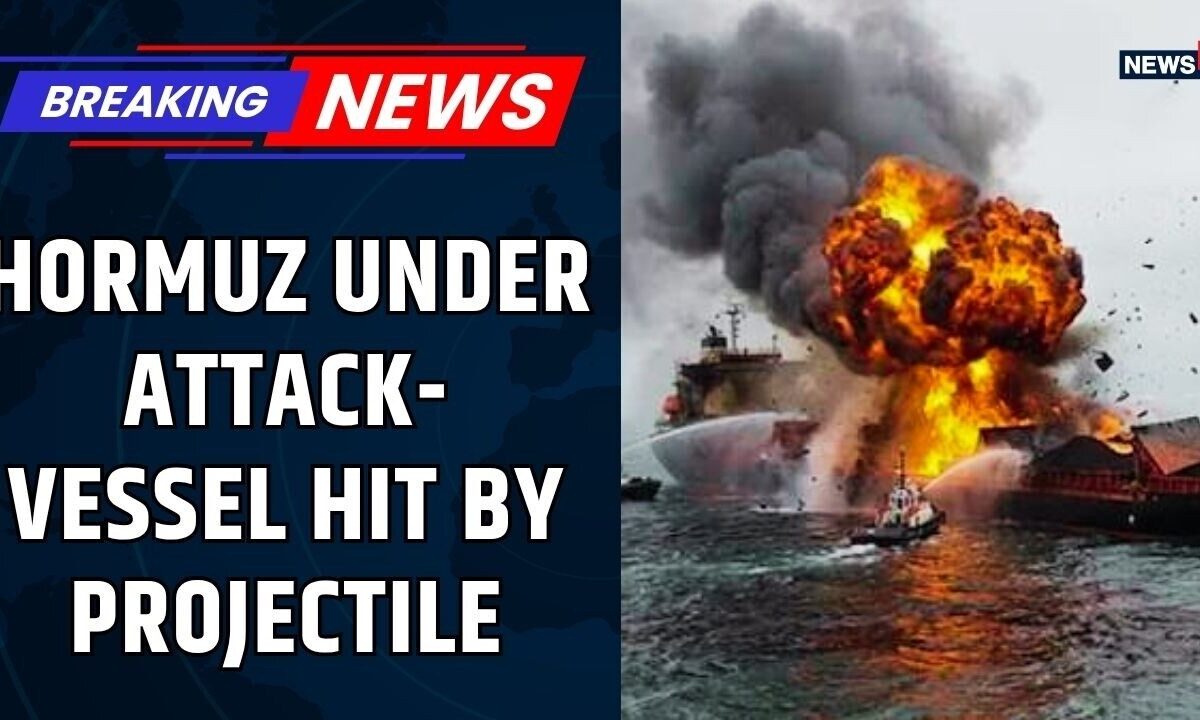
The Strait of Hormuz remains a central point of tension as maritime safety is tested by recent projectile attacks.

Why the Strait of Hormuz Matters

The Strait of Hormuz is widely considered the world’s most important energy shipping chokepoint. According to the U.S. Energy Information Administration (EIA), the strait facilitates the movement of over one-quarter of global seaborne oil trade and roughly one-fifth of global liquefied natural gas (LNG) supplies.

  • The strait represents the only entrance to the Persian Gulf for major energy exporters like Saudi Arabia, the UAE, and Qatar.
  • Disruptions in this corridor can lead to immediate spikes in shipping costs and insurance premiums.
  • Prolonged instability threatens the reliability of global energy supply chains, impacting production and consumption worldwide.

A History of Escalation

This latest incident follows a series of disruptions reported throughout 2026. Since the beginning of the year, maritime security has deteriorated, with reports of drones, ballistic missiles, and small attack boats being utilized to challenge vessels attempting to transit the area. Regional actors have been forced to rely on alternative infrastructure, such as the East-West pipeline in Saudi Arabia and the Habshan-Fujairah pipeline in the UAE, to bypass the strait entirely.

The inability of oil to transit a major chokepoint, even temporarily, can create substantial supply delays and raise shipping costs, potentially increasing world energy prices.

— U.S. Energy Information Administration (EIA)

Future Implications for Global Trade

The frequency of these attacks has pushed shipping insurance to prohibitively expensive levels, with many seafarers expressing concern over the safety of transit. As international powers monitor the situation, the focus remains on whether diplomatic measures or increased naval presence can stabilize the corridor before further disruptions threaten the global economy.

Key Takeaways

  • A commercial vessel was struck by an unknown projectile in the Strait of Hormuz.
  • The strait is a critical chokepoint, moving approximately 25% of global seaborne oil trade.
  • Rising tensions have led to increased insurance costs and potential supply chain delays.
  • Alternative pipeline routes in Saudi Arabia and the UAE are currently handling increased capacity to avoid the strait.
  • Ongoing conflict in the region continues to threaten maritime security and energy market stability.

FAQ

What is the strategic importance of the Strait of Hormuz?

It is the world's most critical energy chokepoint, through which a significant portion of the world's oil and LNG supply transits.

Are there alternatives to shipping oil through the strait?

Yes, countries like Saudi Arabia and the UAE utilize pipelines (such as the East-West pipeline) to export crude oil to ports outside the Persian Gulf, though these have capacity limits.

How do these attacks impact the global economy?

Attacks increase shipping insurance costs and cause logistical delays, which can lead to upward pressure on global energy prices.

Is this the first incident in the region this year?

No, there have been multiple reports of drones and other projectiles targeting vessels in the area throughout 2026.

Related Videos

What Iran Just Did To Ships In The Strait Of Hormuz Changes Everything

Kenzo Analysis

Global Order Vs Trump: US War on Maritime Security, Hurmuz and Suez Canal

Vlog Central

Strait of Hormuz and Red Sea Shipping Risk Management

Chartered Institute of Professional Certifications

Sources