
A New Roadmap for Viksit Bharat
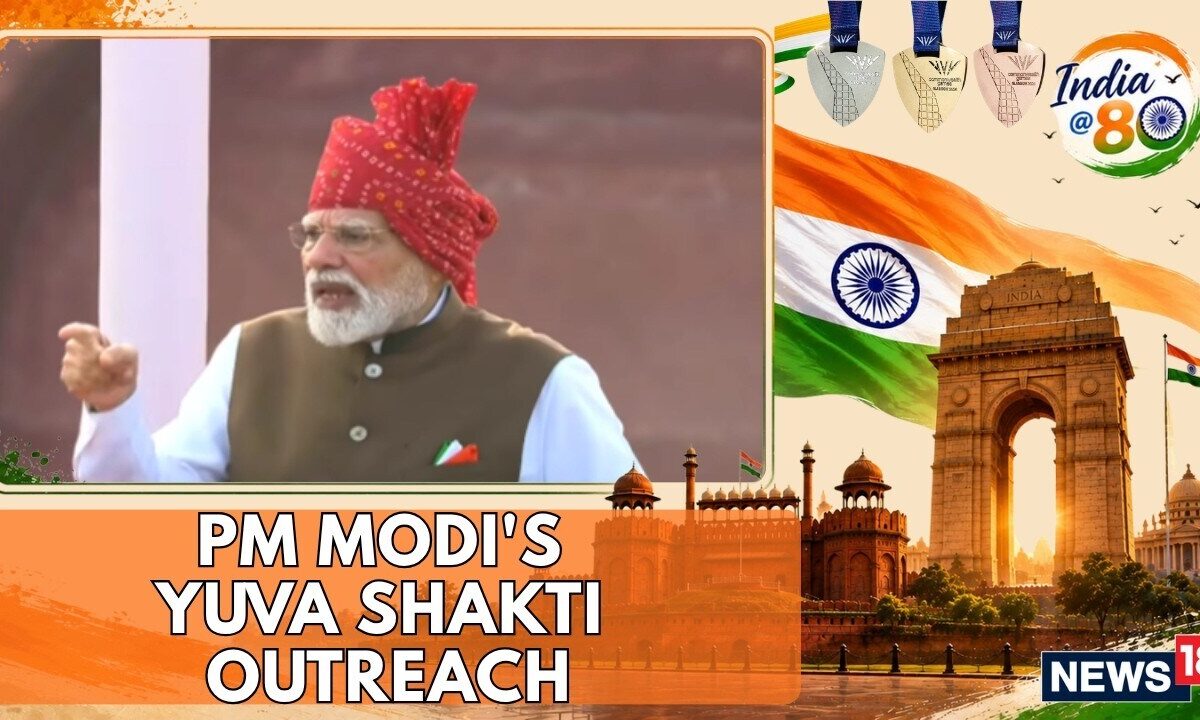
During his 80th Independence Day address from the historic Red Fort, Prime Minister Narendra Modi set a decisive tone for the next two decades of Indian governance. While reflecting on the resilience shown during global disruptions like the pandemic, the Prime Minister introduced the 'Sapt Dhara'—or seven streams of strength—to accelerate India's journey toward becoming a fully developed nation, or 'Viksit Bharat,' by 2047.
The Core Pillars of 'Sapt Dhara'
At the heart of the government's future strategy is the 'Sapt Dhara' vision. This framework prioritizes transforming India into a global manufacturing and supply-chain powerhouse. The Prime Minister underscored that this transition requires a shift in work culture, emphasizing that reforms should be viewed as a national conviction rather than a compulsion.
- Manufacturing Power: Establishing end-to-end value chains from design to finished goods.
- Global Competitiveness: A rigorous focus on 'Quality, Quality, Quality' to achieve zero-defect manufacturing.
- Economic Expansion: Targeting a transition into one of the world's top three economies.
- Inclusive Growth: Prioritizing zero poverty and social justice as part of the broader development roadmap.
- Strategic Autonomy: Strengthening energy security, defence production, and technological innovation.
Why This Matters Now
The 2026 speech serves as a critical checkpoint. By connecting a decade-long report card to the long-term 2047 vision, the administration is signaling a transition from crisis management to sustained industrial scaling. The emphasis on Free Trade Agreements (FTAs) and support for MSMEs suggests that the government expects Indian businesses to compete directly on the global stage through cost, scale, and excellence.
Reforms should not be viewed as a compulsion but as a conviction necessary to build a stronger economy.
— Prime Minister Narendra Modi