A Strategic Shift for National Sovereignty
Semiconductors are the bedrock of the modern digital age, powering everything from electric vehicles and national defense systems to advanced AI and data centers. For India, the quest to build a domestic semiconductor industry is no longer just about economic growth—it is about securing technological sovereignty in a volatile global market.
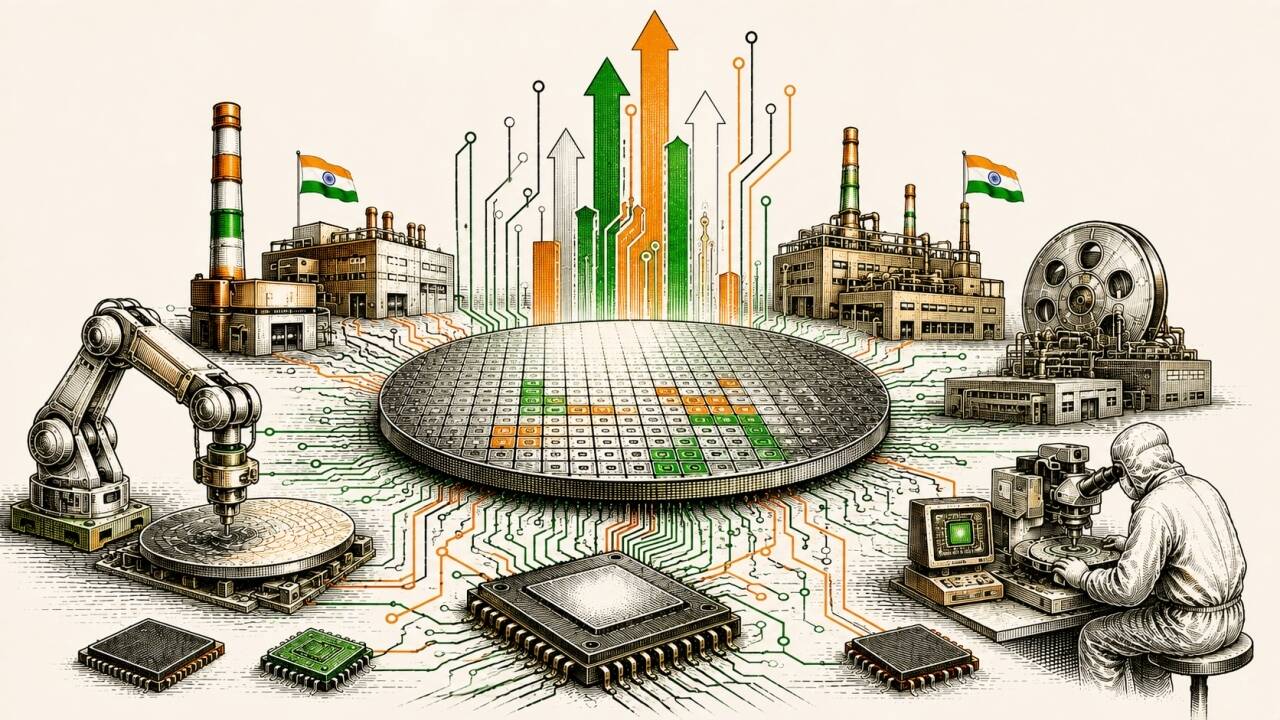
The 'India Semiconductor Mission' (ISM) is the government's flagship program designed to develop a comprehensive ecosystem for chip and display manufacturing. By moving beyond mere design and into fabrication and advanced packaging, India aims to mitigate the risks of global supply chain disruptions.
The Hurdles to Overcome
Despite clear ambition, the path to becoming a global hub is paved with technical and structural challenges. Industry experts and analysts highlight several critical friction points that the nation must navigate:
- Infrastructure Demands: Chip fabrication requires ultra-clean environments, constant power, and high-tech logistics that are currently undergoing rapid expansion.
- Resource Dependence: India still relies heavily on imports for raw materials like silicon, photomasks, and specialized gases.
- Talent Shortage: While India boasts a high percentage of global semiconductor design engineers, there is a persistent gap in skilled shopfloor manpower for large-scale fabrication.
- High Capital Costs: Fabs are notoriously capital-intensive, with long lead times before they reach commercial profitability.
Leveraging Partnerships and Policy Reforms
To bridge these gaps, India is fostering international collaboration with industry leaders like Intel, Nvidia, and Lockheed Martin. Regional states are also stepping up, with Odisha, for instance, initiating major policy reforms to streamline approvals and incentivize investment in advanced electronics and renewable energy to support factory operations.
The success of India’s semiconductor mission will depend on creating a resilient, diversified ecosystem that can adapt to shifting global dynamics.
— IRM India
By targeting 'leapfrogging' opportunities—such as focusing on advanced packaging and assembly—India intends to carve out a niche in the global value chain. The establishment of institutions like the proposed India Semiconductor Research Centre (ISRC) reflects a long-term commitment to strategic innovation rather than short-term gains.