A New Era for Pixel Hardware
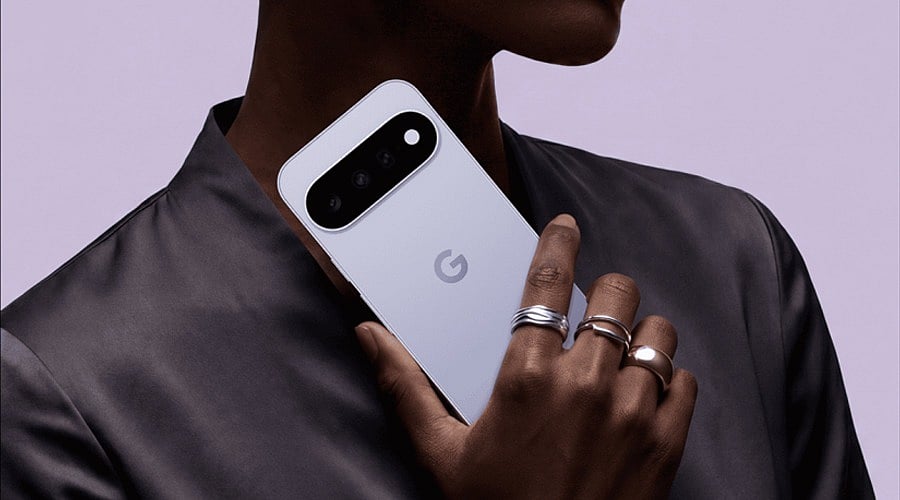
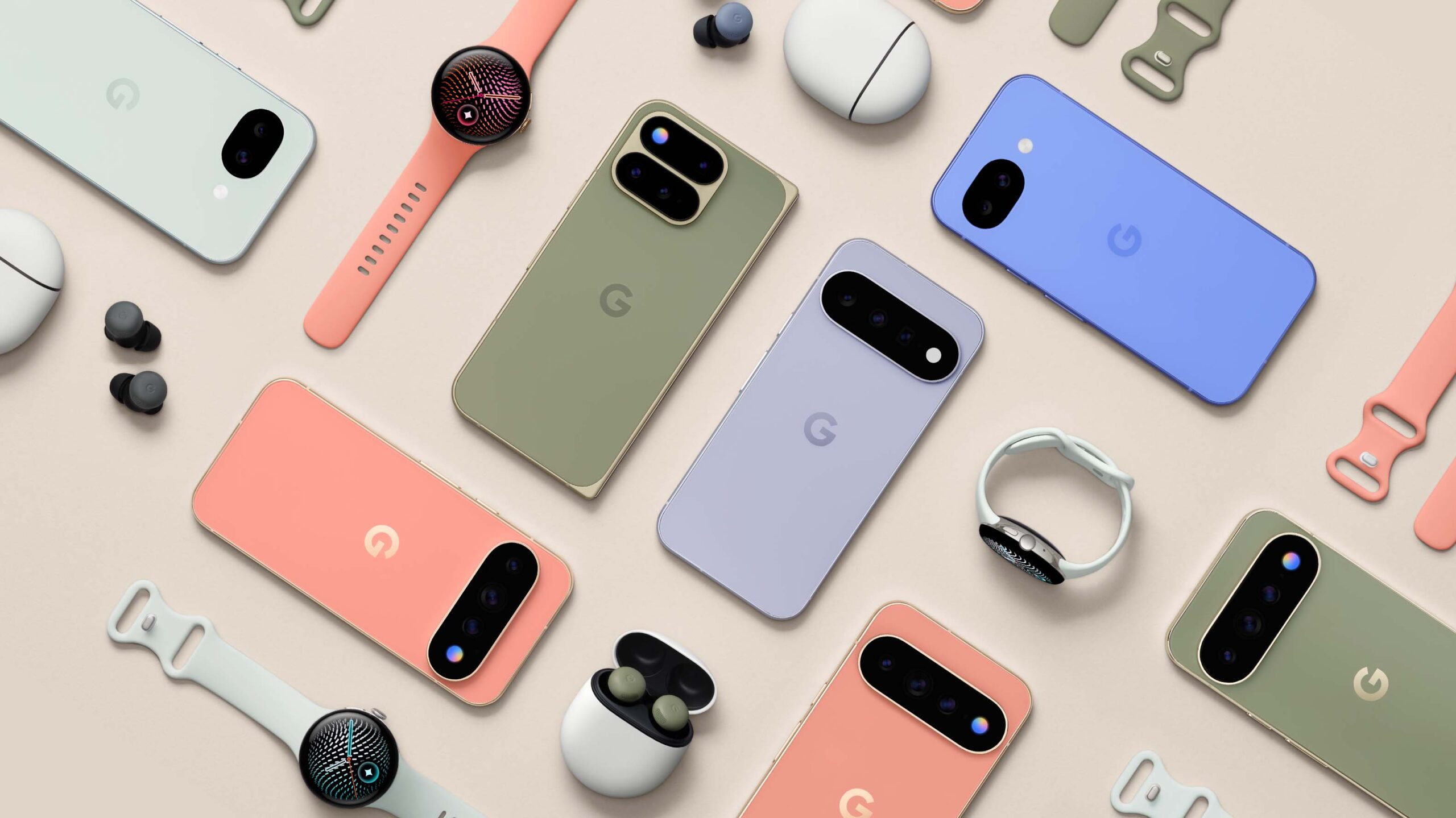
Google has officially pulled the curtain back on the Pixel 11 series, a massive expansion of its smartphone ecosystem. The new lineup includes the standard Pixel 11, the 11 Pro, the 11 Pro XL, and the ambitious Pixel 11 Pro Fold. This launch marks a significant pivot toward deeper on-device AI integration, powered by the new Tensor G6 chip.
While hardware benchmarks are currently under scrutiny, Google is betting on the Tensor G6's upgraded TPU to deliver a smoother, more intelligent experience. For users, this means a shift away from cloud-dependent tasks toward features that run locally on the device.
AI Features and the Tensor G6
The cornerstone of the Pixel 11 is the Tensor G6. Rather than chasing raw horsepower to compete with other flagship processors, Google has focused on AI efficiency. The updated TPU provides roughly 50% more headroom than previous generations, allowing for more complex tasks to be handled directly on your phone.
- Rambler: New smart navigation and AI assistance tools.
- Magic Capture: Advanced computational photography improvements.
- Gemini Upgrades: Deeper integration across the OS.
- Live Translate & Sign-to-text: Enhanced accessibility and real-time processing.
Giving third-party developers access to more capable AI hardware makes our smartphones considerably more interesting as on-device AI evolves.
— Android Authority
Long-Term Reliability
Beyond the software, Google is making a strong play for sustainability. The company has committed to providing spare parts for the Pixel 11 series for seven years, matching the device's extended software update window. This ensures that users can keep their devices functional for nearly a decade, a significant move for consumers concerned about electronic waste and device longevity.