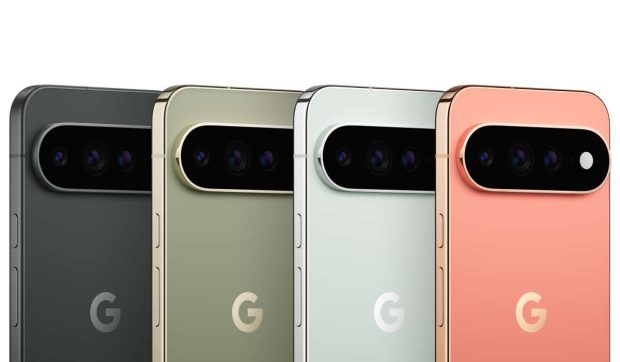
A New Era for Google Wearables
Google’s annual 'Made By' conference has once again shifted the landscape for wearable technology. With the debut of the Pixel Watch 5, the tech giant is leaning heavily into artificial intelligence to provide users with a more comprehensive look at their physical well-being. Coupled with the expansion of the Fitbit Air and the new Health Guardian software suite, Google is positioning its wearable ecosystem as a proactive partner in personal health rather than just a passive tracker.
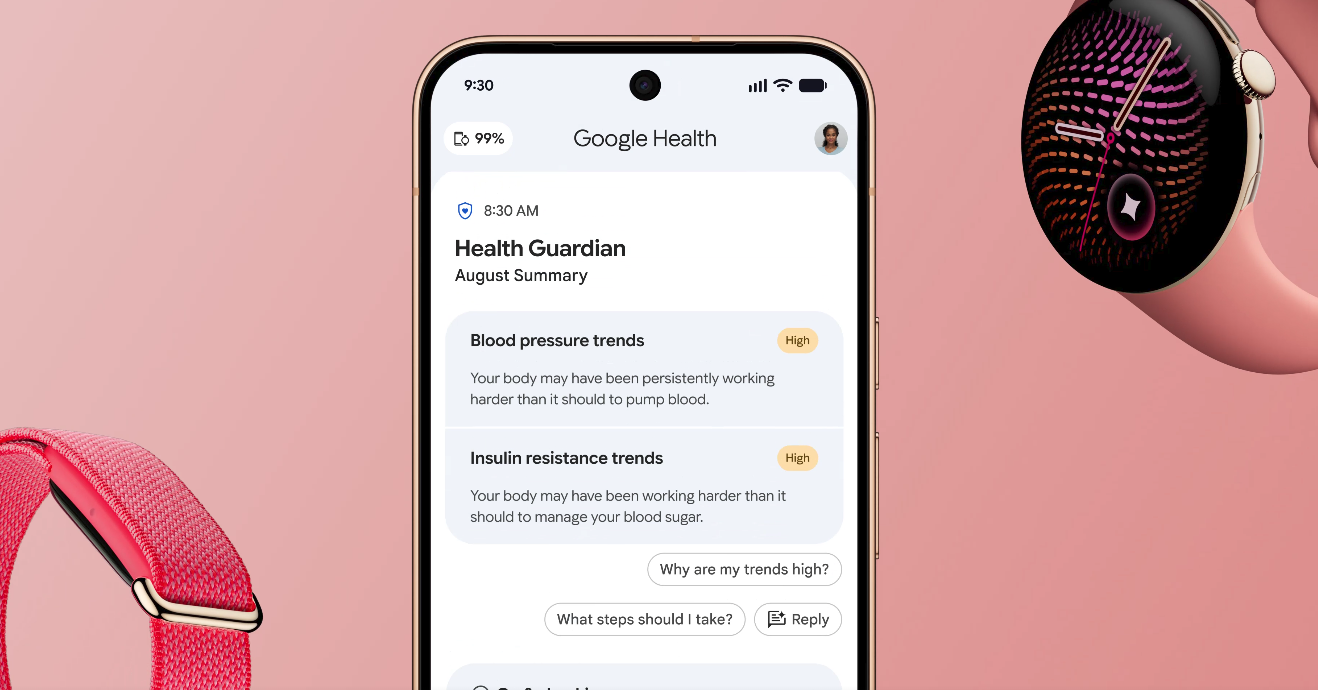
Introducing Health Guardian
The standout addition to this year’s hardware lineup is undoubtedly the Health Guardian suite. Designed to operate in the background, these proactive tools utilize AI to analyze biometric data continuously. It moves beyond simple step counting to monitor more complex metrics that offer a window into long-term health trends.
- Insulin resistance tracking
- Blood pressure monitoring
- Sleep breathing quality analysis
- Emergency respiratory event detection
Data is consolidated within the Google Health app, where the new 'Google Health Coach' steps in to translate raw numbers into actionable advice. This feature aims to bridge the gap between knowing your stats and actually understanding how to improve your lifestyle based on them.
The Pixel Watch 5 and Fitbit Air Synergy
A significant pain point for many wearable enthusiasts has been the inability to use multiple trackers in the same app. Google has finally addressed this by introducing multi-tracker support. Users can now pair their Pixel Watch 5 and Fitbit Air simultaneously, choosing which device takes preference for specific metrics. This 'two-tracker' approach allows for better versatility—perhaps wearing the high-end Pixel Watch 5 for daily use while switching to the more rugged or screenless Fitbit Air for outdoor adventures.
You can have both paired simultaneously, and Google told me you can specify in the app which order of preference the data should follow for each metric.
— Android Authority