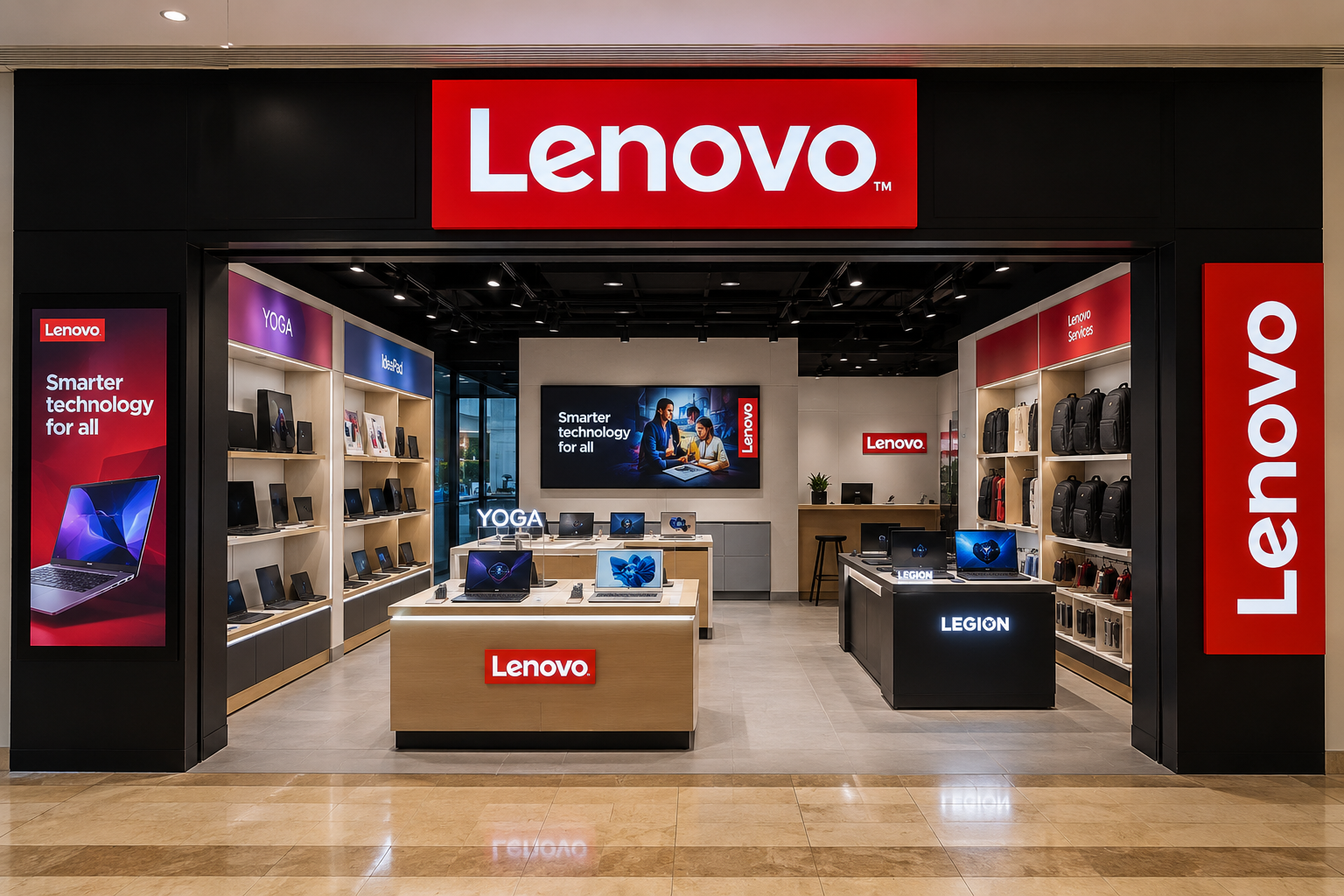
A Tale of Two Hardware Giants
The artificial intelligence gold rush isn't just about software—it’s about the massive physical infrastructure required to power it. In mid-2026, the contrast between major players in the server and hardware space has become stark. Lenovo recently stunned the market with a 43% jump in quarterly revenue, marking its best performance in five years. The company is successfully riding the wave of high AI hardware demand and navigating global supply chain constraints.
Conversely, Super Micro Computer (SMCI) finds itself in a different position. While the broader category of AI-server demand remains strong, SMCI is dealing with volatility, complex governance reviews, and significant cash flow challenges that have left investors weighing its long-term potential against current operational headwinds.

Why Lenovo is Winning the Current Cycle
Lenovo’s surge is largely attributed to its diversified business model, spanning laptops, desktops, and high-end server equipment. By positioning itself as a core player in the AI infrastructure stack, the company has managed to capitalize on the relentless demand from hyperscale customers. The market response has been swift, with shares hitting all-time highs as the company proves its ability to scale in a competitive environment.
The Challenges Facing Super Micro Computer
While SMCI remains a critical player in AI infrastructure, specifically due to its leadership in direct-liquid cooling, its fiscal performance tells a more complicated story:
- Financial Volatility: Recent quarterly results missed street expectations, causing investor anxiety.
- Operational Headwinds: Negative operating cash flow and a significant build-up in inventory have weighed on the stock.
- Governance Concerns: The company is currently working through independent board reviews related to export-control matters, adding a layer of uncertainty.
- Competitive Pressure: Larger peers like Dell Technologies offer a 'full-stack' approach, which has provided more stability in the current market environment.
Supermicro’s transformation into a total datacenter infrastructure provider is accelerating.
— Charles Liang, CEO of Super Micro Computer
What Lies Ahead for AI Hardware Investors
The divergence between Lenovo and SMCI serves as a reminder that not all AI-linked companies are created equal. As GPU power densities continue to explode, the demand for sophisticated cooling and server density remains the baseline for the industry. However, companies that can pair this technical capability with stable cash flow and transparent governance are currently winning the favor of institutional investors.