A Monumental Shift in AI Strategy
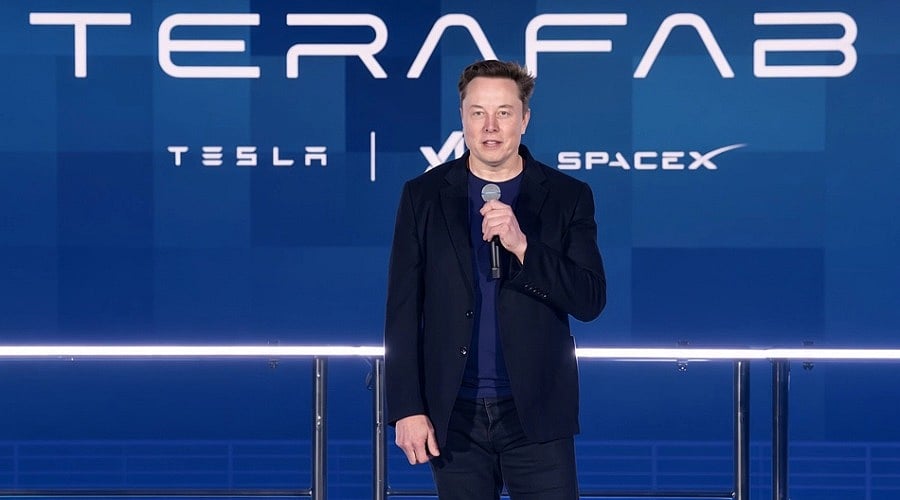
Elon Musk is taking an aggressive step toward total vertical integration. Tesla and SpaceX have officially announced an initial $16.8 billion investment to construct 'Terafab,' a sprawling semiconductor complex located in Grimes County, Texas. As the demand for AI compute power continues to skyrocket, Musk is moving to bypass traditional hardware suppliers by bringing the design, logic, and packaging of critical AI processors in-house.
Why Terafab Matters Now
The rationale behind Terafab is rooted in necessity. SpaceX and Tesla project that their combined computing requirements will soon exceed 1 terawatt annually. To achieve this, the companies need a reliable, high-volume supply of specialized AI chips that current market players cannot guarantee. By controlling production, Musk aims to shield his companies from geopolitical supply chain disruptions and the hardware bottlenecks that currently limit the growth of autonomous technology.
- Infrastructure for Optimus humanoid robots and self-driving Cybercabs.
- High-power chips to support SpaceX's future space-based data centers.
- Mitigation of global supply chain dependencies by manufacturing on US soil.
- Initial investment of $16.8 billion with capacity for significant future expansion.
Scaling for the Future
Terafab is expected to employ at least 3,000 people, representing a massive infusion of capital and jobs into the Texas economy. While the $16.8 billion figure covers the initial phase, industry analysts suggest the long-term project cost could exceed $100 billion. Musk has described the facility as the 'largest and most valuable building on Earth by far,' underscoring the scale of his ambition to standardize AI hardware for everything from planetary transportation to orbital computing.
The Terafab is bringing cutting-edge manufacturing to America, creating thousands of high-paying jobs in the Lone Star State, and enabling us to produce AI chips at scale for use on Earth and in space.
— Elon Musk