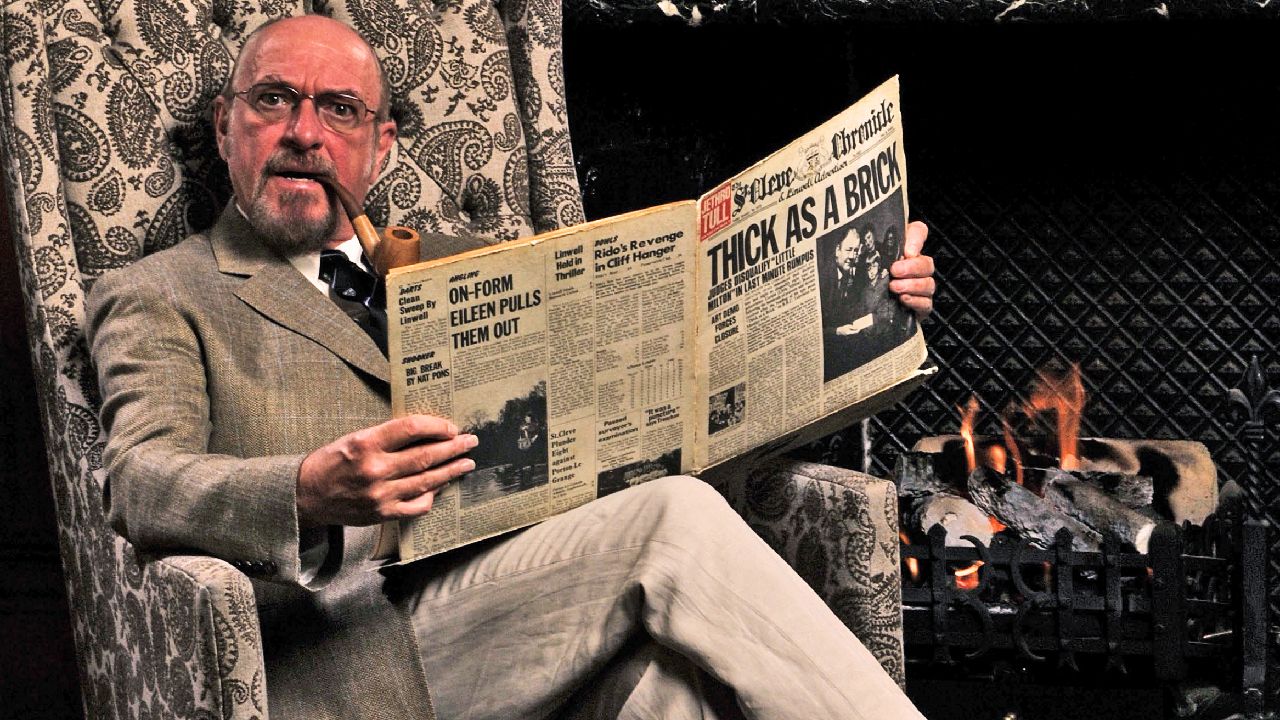
A Career Built on 'Serious Impediments'
Ian Anderson, the cerebral force behind Jethro Tull, has never been one to follow the conventional rock star roadmap. Born in 1947 in Dunfermline, Scotland, Anderson initially pursued fine art before pivoting toward a musical career that would eventually define the progressive rock genre. Far from viewing his music as purely glamorous, Anderson often characterizes his work as a job—albeit a passionate one—noting that he intentionally chose a career with 'built-in, serious impediments' to success.
The Woodstock Decision
One of the most defining moments in the band’s early history was their choice to decline an invitation to the 1969 Woodstock festival. While many contemporaries saw the festival as a launchpad for superstardom, Anderson viewed it through a different lens. He felt that the band was too young and fresh to endure the long-term pressures that such a monumental appearance might have placed on them. Looking back, he famously calls the decision not to play Woodstock his 'second best career move.'
Adapting the Flute to Rock
Anderson’s signature sound—the flute—was not his original instrument. He started as a guitarist but transitioned to the flute, necessitating a unique approach to adapt the classical instrument to the structures of blues and rock music. This creative adaptation helped solidify Jethro Tull’s status as an outlier in the musical landscape, blending classical influences with a harder, progressive edge.
- Jethro Tull’s 'Divinities' album reached number one on the Billboard classical charts in 1995.
- Anderson is an avid hobbyist, interested in the conservation of wildcats and the study of mechanical watches.
- He has released seven solo albums throughout his extensive career.
- Anderson maintains a disciplined, professional outlook on his music, treating it as a lifelong occupation.
I still find myself having to spend time in a grubby dressing room. But it’s what I wanted to do when I left school. I chose a career with some built-in, serious impediments against my being successful. I got lucky and I’ve still got my job.
— Ian Anderson