technology & finance••5 min read

The AI Infrastructure Boom: Why Wall Street Is Betting Big on the 'Picks and Shovels'

Recent earnings beats from key players like CoreWeave and Super Micro Computer have reignited the tech rally. As AI transitions from experimental to essential, infrastructure demand is proving to be a massive economic driver.

The AI Infrastructure Boom: Why Wall Street Is Betting Big on the 'Picks and Shovels'

A New Chapter for the AI Rally

The tech sector is catching a second wind. Following a period of market uncertainty, recent earnings reports from major AI infrastructure providers have provided clear evidence that demand for compute power is not just surviving—it is thriving. Shares of CoreWeave surged 18% in premarket trading, while Super Micro Computer climbed 9%, signaling to investors that the backbone of the artificial intelligence revolution remains robust.

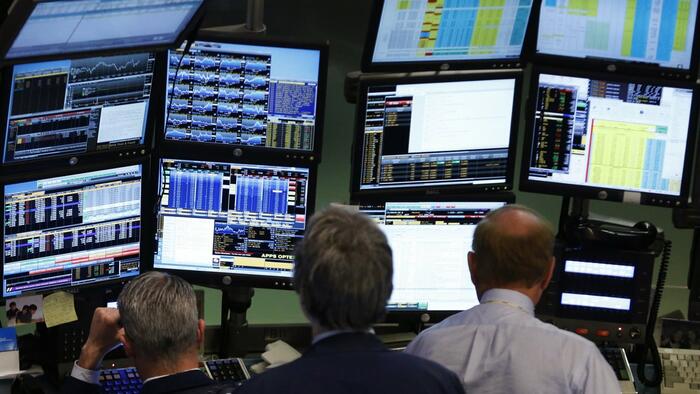
Investors are closely watching infrastructure providers like CoreWeave as AI hardware demand hits record levels.

Why Infrastructure Is the Real Winner

While software and applications often capture the public imagination, the real economic engine of 2026 is the physical build-out of AI. Industry data underscores this shift:

  • Gartner projects worldwide AI spending to reach $2.59 trillion in 2026, with infrastructure accounting for the largest share.
  • IDC forecasts AI infrastructure spending, including servers and networking hardware, to hit $487 billion this year.
  • Morgan Stanley estimates nearly $2.9 trillion in global data center construction costs through 2028.

This 'industrial build-out' phase is changing how analysts view tech stocks. Companies like Super Micro Computer are benefiting directly from the insatiable need for AI-optimized servers, proving that the companies providing the 'picks and shovels' for the AI gold rush are currently the most stable bets.

The reports from CoreWeave and Super Micro are further evidence that AI infrastructure demand remains strong.

— Florian Ielpo, Head of Macro at Lombard Odier Investment Managers

Economic Implications and What Lies Ahead

The surge in tech-led futures is also being viewed through the lens of macroeconomics. With investors awaiting key CPI data, a dovish inflation print could further boost equities, potentially removing expectations for a September rate hike. However, analysts caution that while demand is high, financing costs remain a variable that could impact valuation growth. As we move through the second half of 2026, the focus will remain on whether these hardware giants can maintain their momentum amidst shifting global economic pressures.

Key Takeaways

  • CoreWeave and Super Micro Computer reported earnings beats, fueling a new tech sector rally.
  • AI infrastructure is a trillion-dollar industry, with Gartner projecting $2.59 trillion in total AI spending for 2026.
  • Investment is shifting toward large-scale data center construction, estimated at $2.9 trillion through 2028.
  • Hardware demand is currently outpacing supply, driving sales for AI-optimized server providers.
  • Macroeconomic factors, including CPI data and potential Fed interest rate changes, remain critical to the sustainability of the current tech rally.

FAQ

Why did CoreWeave and Super Micro Computer stocks jump?

Their stocks surged following earnings reports that showed sales growth exceeding analyst expectations, confirming strong, ongoing demand for AI infrastructure.

How much is being spent on AI infrastructure?

Gartner forecasts that AI infrastructure will account for over 45% of total AI spending in 2026, which is estimated to reach $2.59 trillion globally.

What is driving the growth in AI hardware?

The primary drivers are the massive build-out of data centers and the continuous need for AI-optimized servers, storage, and advanced semiconductors.

Is the AI market just 'speculative tech spending'?

Analysts from Morgan Stanley suggest the current investment cycle looks more like a fundamental industrial build-out, with tangible productivity gains across the economy.

Related Videos

The 2026 AI Stack: AI Infrastructure Shift

Future Frontiers AI

The AI Infrastructure Divide: Why AI Needs Smarter Systems

Mihir Mathur

Cooler Inflation Gives Fed Breathing Room

Bloomberg Television

Sources