A New Digital Directive for Agricultural Cooperatives
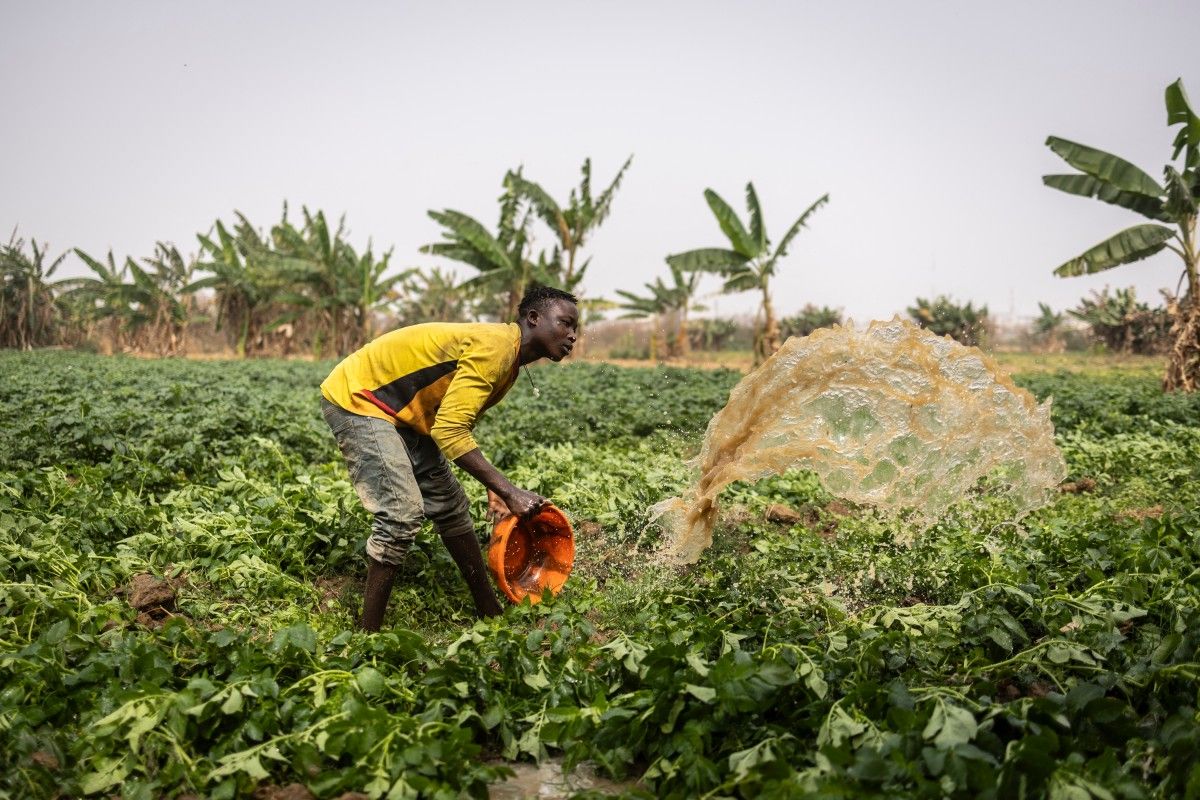
Food security in Nigeria has long been framed as a challenge of simply cultivating more land. However, a recent shift in government strategy suggests the solution lies deeper in the supply chain. Aliyu Abdullahi, the Minister of State for Agriculture and Food Security, has officially charged State Directors of Cooperatives across the 36 states with leading a digital transformation of the cooperative ecosystem.
This move represents a departure from purely physical agricultural expansion. By digitizing cooperatives, the government aims to create a more transparent, efficient, and data-driven framework that connects farmers to essential resources and markets more effectively.

The Core Challenges to Food Security
The initiative addresses several systemic hurdles that have historically throttled Nigeria’s agricultural output. Research highlights that modernizing the infrastructure is critical to curbing the rising prices and acute shortages currently experienced across the nation. Key bottlenecks include:
- Insufficient agricultural inputs and technology
- Limited access to financial resources for smallholder farmers
- Significant post-harvest losses due to poor storage infrastructure
- Inadequate logistical and transportation networks
Why Digitization Matters
Digital transformation is not just about adopting software; it is about policy integration. Experts note that poverty, corruption, and policies that fail to promote equal access have historically hampered sustainable development. Integrating digital tools allows for better tracking of input distribution, transparent record-keeping, and improved access to credit, which ensures that resources reach the farmers who need them most.
Food security is often discussed in Nigeria as though the central challenge were simply getting more Nigerians to cultivate more land. Governments must look beyond the farm to the entire ecosystem.
— Nigerian News Direct