A New Way to Interface
Meta is pushing the boundaries of wearable computing with a significant update to its Ray-Ban Display glasses ecosystem. The company has begun rolling out its long-awaited 'neural handwriting' feature in Early Access, allowing users to send messages on WhatsApp and Messenger by simply writing with their index finger on any surface.
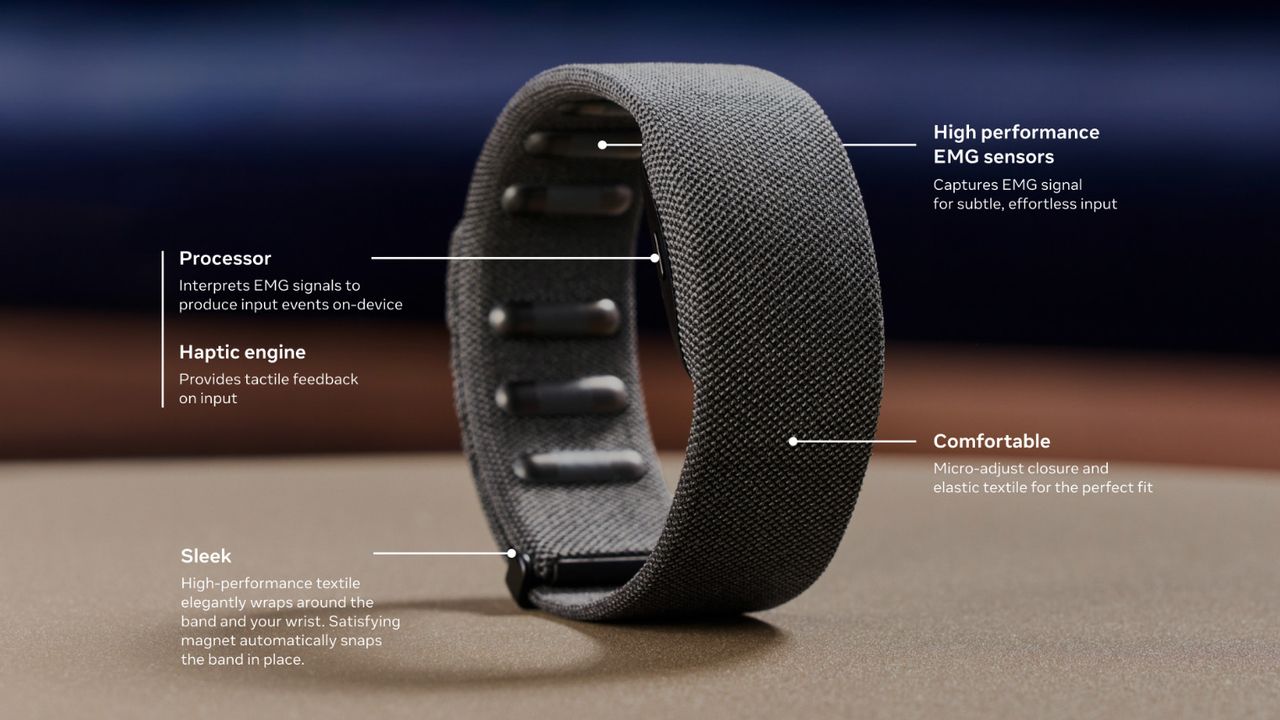
The feature relies on the Meta Neural Band, a wrist-worn device that uses electromyography (EMG) to detect subtle electrical signals in your muscles. Instead of relying on a screen, the system translates your finger movements into text, effectively turning any desk or table into a keyboard.
How the Technology Works
At its core, the Meta Neural Band is designed to intercept the motor neurons traveling from your brain to your fingers. When you move your fingers to 'write' in the air or on a surface, the band’s sensors capture these electrical impulses. This data is then processed to understand your intent, allowing for a seamless hands-free interaction with the glasses' in-lens display.
- Open a message thread and navigate to the reply box on your glasses.
- Select the 'Write' button to initiate the neural handwriting mode.
- Use your index finger to print letters on a flat surface.
- Accept autocomplete suggestions by swiping your thumb to the right.
- Swipe left with your finger to delete text.
Strategic Shifts and Availability
While the technology represents a major leap in wearable interfaces, Meta is currently managing a cautious rollout. The handwriting feature is restricted to English-language users in the United States. Furthermore, due to what the company describes as 'unprecedented demand and limited inventory,' Meta has opted to pause its planned international expansion for the Ray-Ban Display and Neural Band into the UK, France, Italy, and Canada.
Meta Ray-Ban Display is an early glimpse of a future where mobile computing doesn’t mean looking down and taking something out of your pocket.
— UploadVR