A New Political Flashpoint
For years, the development of artificial intelligence was treated primarily as a software and capital race. Today, that narrative has shifted as the physical demands of AI—massive server farms known as hyperscale data centers—collide with the realities of the national power grid and local water supplies.
The backlash is broad, intense, and, notably, bipartisan. From local communities worried about water stress in states like Arizona and Texas to federal legislators like Senator Bernie Sanders and Representative Alexandria Ocasio-Cortez, who have proposed a nationwide moratorium on new data center construction, the infrastructure of the 21st century has become a central political battleground.
From Tech Growth to Regulatory Scrutiny
The scale of the regulatory response is unprecedented. In 2025 alone, more than 200 bills were introduced across 50 states specifically targeting data center operations. With over 40 of those bills already enacted into law, the legal landscape for companies like OpenAI, Meta, Google, and Amazon is becoming increasingly complex.
- Energy Procurement: Legislators are scrutinizing how data centers impact electricity pricing for regular consumers.
- Water Scarcity: New regulations are emerging in water-stressed regions like California and Illinois, where two-thirds of U.S. data centers are proposed or active.
- Infrastructure Coordination: States are demanding more transparency regarding how these massive facilities integrate with existing public utility grids.
We are watching a handful of companies assemble a concentration of capital, information, and political power without precedent in the American experience.
— Senator Josh Hawley (R-Mo.)
The Path Forward: Cooperation or Litigation?
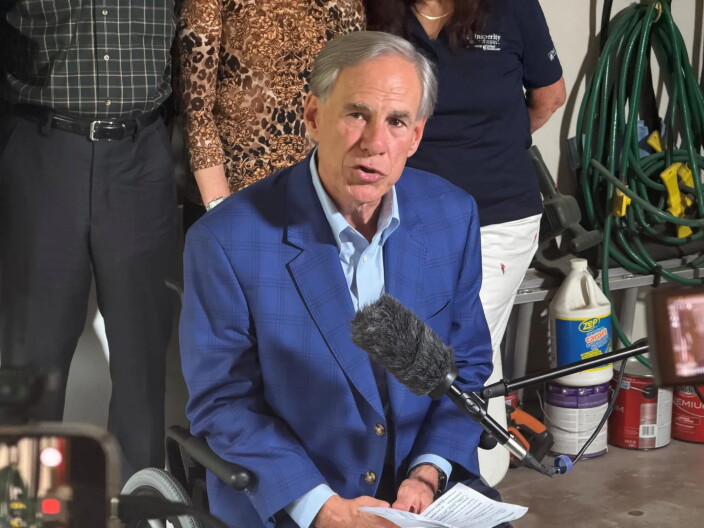
Tech giants are beginning to realize that the 'move fast and break things' approach does not apply to power grids. Companies have begun pledging cooperation with government officials to address concerns about their environmental footprints. In Texas, for instance, Governor Greg Abbott has been actively working with tech firms following criticism from federal officials regarding data center policies.
However, experts suggest this is only the beginning. As states implement uniquely burdensome regulations to protect local resources, legal disputes and litigation are expected to follow. The future of AI development will depend not just on code, but on the ability of tech companies to secure the social license to operate in an increasingly skeptical political environment.