A New Chapter for a Gaming Giant
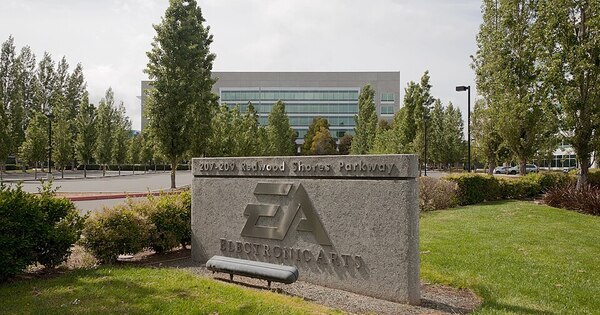
Electronic Arts (EA), the powerhouse behind some of the most recognizable names in entertainment, has officially finalized its move to become a private company. In a deal valued at $55 billion, the publisher—responsible for EA Sports FC, Battlefield, The Sims, and Madden NFL—has been acquired by a consortium led by Saudi Arabia’s sovereign wealth fund (PIF), alongside Silver Lake Partners and Affinity Partners.
This transition marks the largest private equity-backed buyout in the history of the video game industry. By departing from the public stock market, EA is shedding the quarterly pressure of Wall Street, shifting instead to a model defined by private ownership and long-term capital investment.
Why Go Private?
For a massive publisher like EA, the primary advantage of going private is the ability to operate without the relentless scrutiny of public shareholders. Industry experts suggest this could grant the company more 'breathing room' to iterate on games without being shackled to short-term growth targets.
- Elimination of quarterly earnings pressure that can force rushed development cycles.
- Increased flexibility in budget allocation for experimental or long-term projects.
- A shift in strategic focus away from market sentiment toward the goals of private investors.
- Potential for internal restructuring without immediate public market reaction.
The Impact on Players and Studios
While the executive-level shifts are dramatic, the actual impact on the ground level—for the developers and the players—remains to be seen. Critics are already raising concerns about whether this new ownership structure will prioritize product quality or aggressive monetization to satisfy the debt-servicing requirements of a deal this size.
These changes in ownership are a very far distance from the people and studios who actually make games. Any direct impact will come in the form of what budgets are given to those studios and, downstream, which projects get cancelled or greenlit.
— Games industry researcher
The deal also signals a broader trend: the gaming industry is increasingly becoming a target for massive private equity interest. As the lines between tech, finance, and entertainment blur, the acquisition of EA serves as a litmus test for whether private equity can steward a creative industry without sacrificing the player experience.