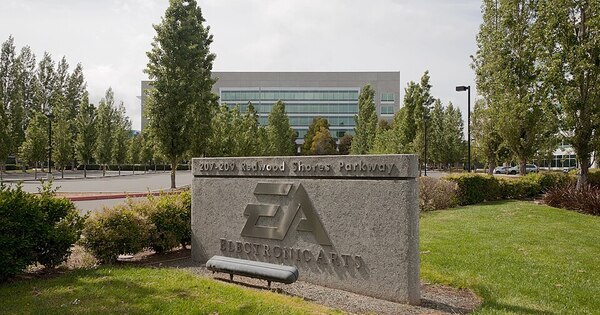
gaming industry••5 min read

Electronic Arts Goes Private: The $55 Billion Deal That Changes Everything

Electronic Arts has officially finalized its $55 billion transition to private ownership, marking the largest private equity-backed buyout in history. Led by a consortium including Saudi Arabia's Public Investment Fund, the deal signals a massive shift for the publisher behind FIFA and The Sims. Now, the industry is waiting to see if this new structure leads to creative freedom or harsh corporate restructuring.

Electronic Arts Goes Private: The $55 Billion Deal That Changes Everything

A New Era for EA

Electronic Arts (EA) has officially completed its $55 billion sale to a private consortium, ending its status as a publicly traded company. This move, spearheaded by Saudi Arabia’s Public Investment Fund (PIF) alongside Silver Lake Partners and Affinity Partners, represents a monumental pivot for the gaming giant that manages cultural juggernauts like Battlefield, The Sims, and EA Sports FC.
The $55 billion acquisition marks a significant turning point in 2026 gaming news.

Why Go Private?

Going private removes the constant pressure of quarterly earnings reports and public shareholder scrutiny. Analysts suggest this could provide EA with the 'breathing room' necessary to pursue long-term development cycles rather than chasing short-term stock spikes. Theoretically, this could allow for more innovation and a potential easing of aggressive microtransaction strategies, provided the new owners prioritize player experience over rapid monetization.

The Risks and Challenges Ahead

  • Debt Management: With $20 billion in debt financing attached to the deal, there are significant concerns regarding potential cost-cutting measures, including large-scale layoffs.
  • Geopolitical Scrutiny: The involvement of Saudi Arabia’s PIF and Affinity Partners has sparked criticism regarding data privacy and the influence of foreign sovereignty over global creative sectors.
  • Operational Shifts: The transition from a public company to a private entity often results in drastic changes to corporate structure, internal workflows, and development priorities.

$20 billion of debt financing is a shockingly large number to have to service, while also transitioning from a public to private organization and all the implications that has on the people that work in it.

— Mat Piscatella, Circana Analyst

What This Means for Players

For the 700 million players currently engaging with EA titles worldwide, the immediate future remains uncertain. While supporters argue that the influx of capital could stabilize the company, critics remain wary of the unprecedented debt load. As EA enters this new phase, the focus will shift from shareholder meetings to internal output—whether the company chooses to double down on existing monetization models or pivot toward the creative innovation promised by such a massive investment.

Key Takeaways

  • Electronic Arts has completed a $55 billion go-private deal, the largest in industry history.
  • The consortium includes Saudi Arabia’s PIF, Silver Lake Partners, and Affinity Partners.
  • Private ownership may allow for longer development cycles, though $20 billion in debt creates pressure to cut costs.
  • Analysts fear the debt load could trigger layoffs or organizational instability.
  • The acquisition faces scrutiny over data privacy and foreign influence in the video game sector.

FAQ

Is Electronic Arts still a public company?

No, Electronic Arts has transitioned to private ownership following its $55 billion sale.

Who led the acquisition of EA?

The deal was led by a consortium consisting of Saudi Arabia’s Public Investment Fund (PIF), Silver Lake Partners, and Affinity Partners.

Why would EA choose to go private?

Going private allows the company to focus on long-term goals without the pressure of quarterly earnings calls and public market scrutiny.

Are layoffs expected at EA?

While not confirmed, many analysts have noted that the $20 billion debt associated with the deal could lead to significant cost-cutting and layoffs.

Does this impact games like The Sims or EA Sports FC?

The company's management will now answer to private investors, which could lead to shifts in development focus and monetization strategies for these franchises.

Related Videos

Electronic Arts 2026 Financial Reports and Privatization Megadeal

The Strategic Investor

EA Acquired by Saudi-led Consortium: What's Next for Gaming?

The Flavor Academy

EA's Worst Nightmare Just Got Real

Dealmaker Diaries

Sources