A Shake-up in the Polling Landscape
The political landscape in Britain has seen a notable shift, with Reform UK falling behind both the Labour Party and the Conservatives in a recent survey conducted by Lord Ashcroft. For a party that has enjoyed consistent national momentum, this result marks a rare dip in support, placing Reform UK at 18 percent—its lowest level since the 2024 General Election.
While Reform figures have dismissed these findings as an outlier, citing other surveys that place them ahead of their rivals, the data highlights the intense volatility currently defining UK politics. As Prime Minister Andy Burnham enjoys an early 'bounce' in popularity, the battle for the center-right and progressive blocs continues to fluctuate.
The Impact of Shifting Support
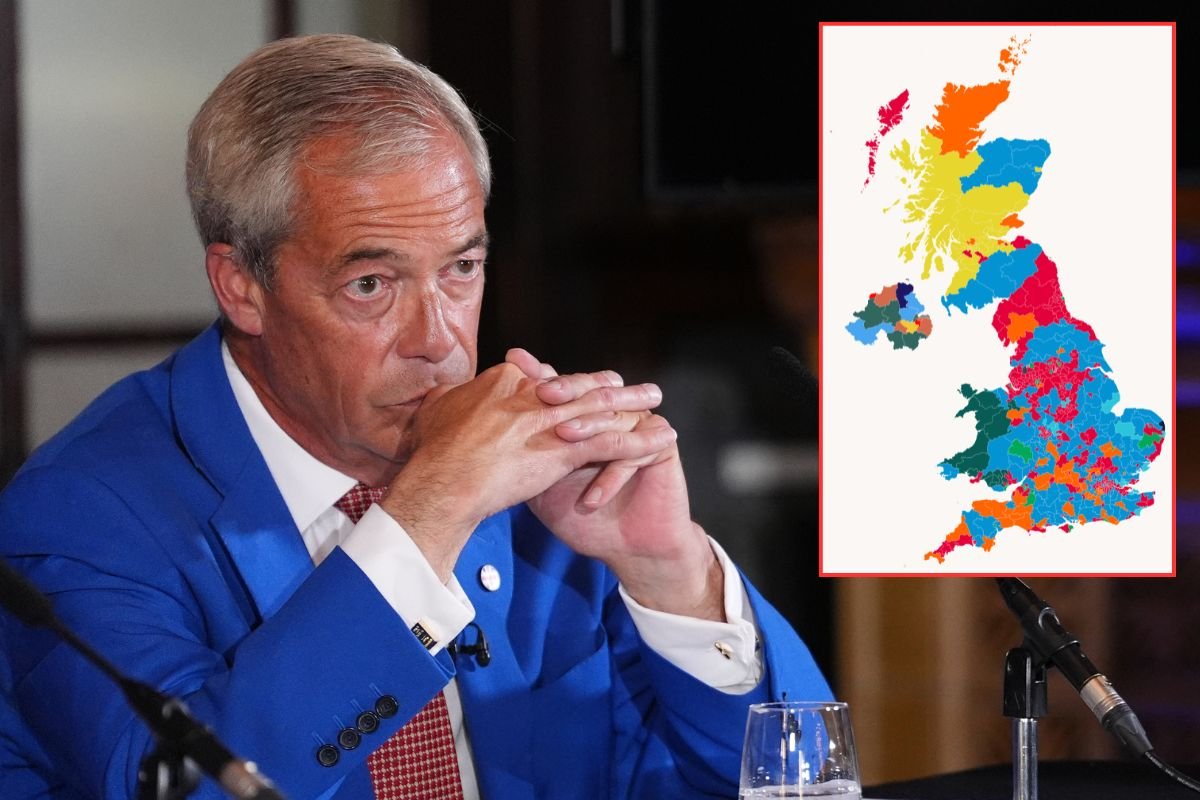
The implications of this polling shift could be significant for the distribution of power in Westminster. According to projections tied to the Ashcroft survey, a drop to 18 percent could leave Reform UK with approximately 16 seats. In contrast, Kemi Badenoch’s Conservatives appear to be stabilizing, potentially seeing a modest increase in their seat tally.
- Labour support has climbed from 21% to 27% under Andy Burnham.
- The Conservatives currently poll at 23%, slightly ahead of Reform UK.
- Reform UK's support in the specific Ashcroft poll sits at 18%.
- Analysts note that movement is primarily occurring between the Conservative-Reform and Labour-Green-Lib Dem blocs.
Despite concerns about the polling, Reform UK took a hit after it was revealed Mr Farage received a £5 million gift from the Thailand-based crypto billionaire Christopher Harborne.
— GB News
What Comes Next?
As the UK approaches future electoral challenges, the focus remains on whether these polling shifts represent a long-term trend or temporary volatility. While Reform UK has faced recent scrutiny regarding party funding and individual by-election dynamics in Clacton, the party maintains that their grassroots support remains robust. With the political climate remaining unpredictable, both voters and observers are waiting to see how the major parties navigate the economic and social policy demands of the coming year.