A New Era of Digital Governance
The integration of artificial intelligence into public administration is no longer a futuristic concept—it is a current operational reality. From local initiatives in India to global developmental frameworks, governments are leveraging AI to bridge service gaps, streamline administrative processes, and improve the delivery of social programs.
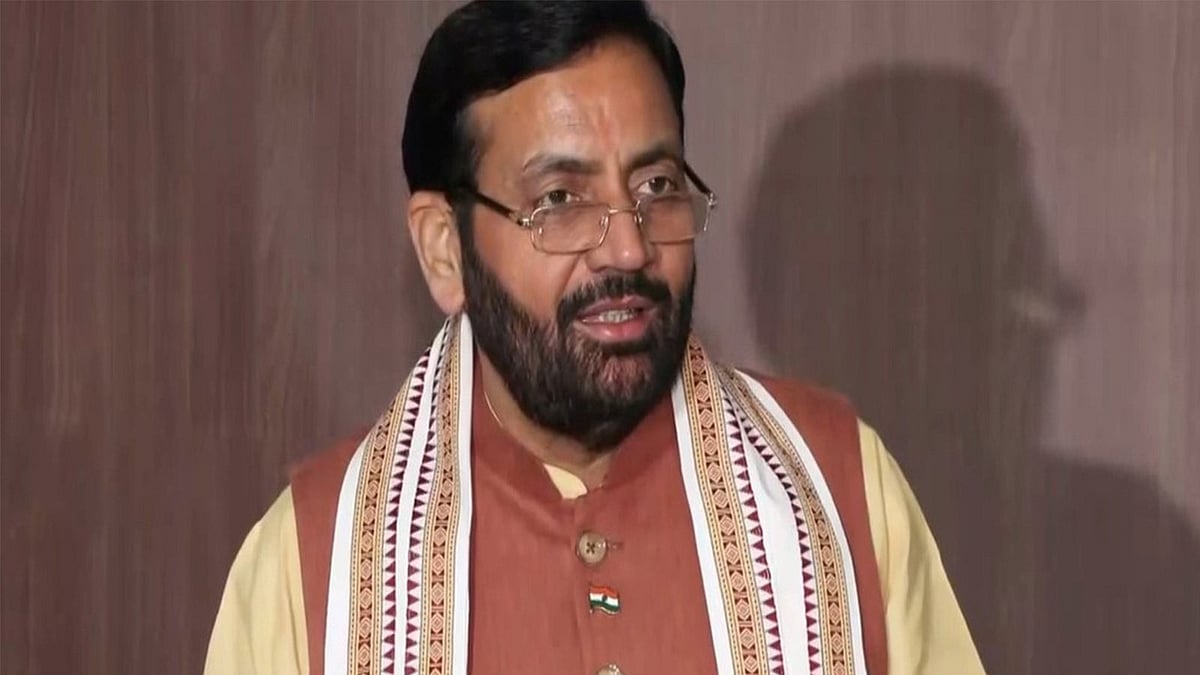
A key example of this shift is the recent collaboration between the government of Haryana and the World Bank. The partnership focuses on utilizing digital governance and AI to boost citizen-centric services and strengthen skill development, marking a significant step toward modernizing state-level infrastructure.
Why AI Matters for Global Development
The World Bank’s involvement underscores a broader global strategy: using technology to reduce the digital divide. By helping governments understand, adopt, and regulate AI, the Bank aims to transform how resources are distributed.
- Predicting food insecurity and managing supply chain shocks.
- Addressing gender biases in social welfare programs.
- Creating efficient, targeted cash transfer systems, as seen in Togo.
- Advancing conflict early-warning systems through data analysis.
The Bigger Picture: Autonomy and Global Cooperation
Beyond local service improvements, there is a macro-level movement among emerging economies. Nations like Brazil are placing South-South cooperation at the center of their foreign policy, aiming to expand technological and economic autonomy. By strengthening ties within groups like BRICS and Mercosur, these nations are pushing for a more robust role for the Global South in the international technological landscape.
As a bank, we have an obligation to help governments understand, use, and regulate AI to improve developmental outcomes and ensure no one is left behind in the digital transition.
— World Bank Digital Development Group