tech & business••5 min read

The 'SaaSpocalypse' Explained: Why AI is Rewriting the Rules of Software

A wave of volatility known as the 'SaaSpocalypse' has swept through the software industry as AI agents begin to challenge traditional subscription models. Investors are now scrambling to determine which companies will survive the shift from human-managed workflows to autonomous execution.

The 'SaaSpocalypse' Explained: Why AI is Rewriting the Rules of Software

The Death of the Old SaaS Playbook

For two decades, the Software-as-a-Service (SaaS) model was the gold standard of tech. The formula was simple and reliable: build a sticky platform, charge recurring subscriptions based on headcount, and enjoy steady, predictable growth. But in 2026, that foundation began to crack. The phenomenon, dubbed the 'SaaSpocalypse,' has seen hundreds of billions of dollars in market value evaporate as investors question whether the traditional seat-based model can survive the rise of agentic AI.

The uncertainty isn't just about stock prices; it's about the very nature of software. As AI shifts from being a tool that merely assists humans to one that can autonomously execute workflows, the traditional 'moats'—such as user-based pricing and standardized platforms—are losing their defensive power.
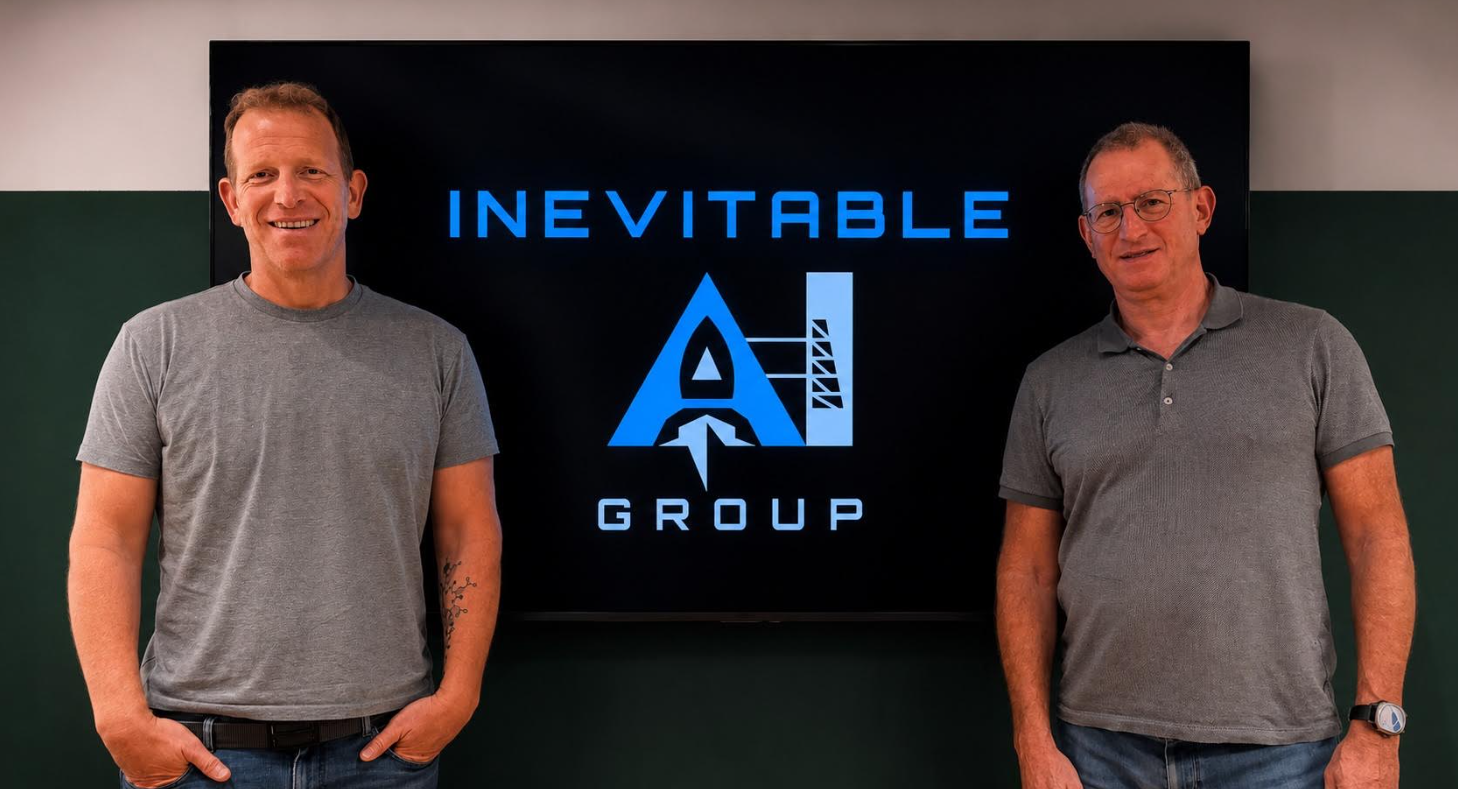
Nimrod Lehavi and Ofer Bar-Or of the Inevitable AI Group, which is building AI-native startups to challenge SaaS incumbents.

Why Investors are Panicking

The current market turbulence is driven by a 'crisis of faith.' As AI-native startups emerge with leaner, more agile architectures, incumbents are finding it difficult to prove their value. Buyers are now conducting deep due diligence, prioritizing companies with defensible data advantages and deep industry expertise rather than just high user counts.

  • Shift from seat-based pricing to outcome-based pricing models.
  • Increased risk of commoditization as AI lowers the barrier to entry for new developers.
  • Pressure on incumbents to modernize legacy product experiences or risk becoming obsolete.
  • High uncertainty leading to constrained deal volumes and wider bid-ask spreads in M&A.

The Future: Evolution, Not Extinction

Despite the 'SaaSpocalypse' label, many industry experts argue that the software sector isn't dying—it is evolving. The transition from systems that support human work to those that perform it creates a new type of value. Companies that pivot to integrate agentic AI effectively may find it becomes a tailwind rather than a threat, potentially allowing them to capture more value by delivering measurable productivity outcomes.

Demand for software is not disappearing, but the economics underpinning the sector—seat-based pricing, expansion-driven growth, and durable product differentiation—are being called into question.

— Oliver Wyman Analysis

Key Takeaways

  • The 'SaaSpocalypse' refers to a period of extreme volatility in software stocks driven by the rise of agentic AI.
  • Traditional SaaS business models relying on seat-based pricing are facing increased scrutiny from investors.
  • AI is shifting software from a tool for digitizing workflows to a system that autonomously executes them.
  • Incumbents without clear data advantages or modernized product architectures face the highest risk of commoditization.
  • The market is moving toward output-based pricing and valuing deep industry-specific expertise over standardized platforms.

FAQ

What triggered the SaaSpocalypse?

The term gained traction following massive selloffs in software stocks, prompted by investor concerns that autonomous AI agents would make traditional, seat-based SaaS models redundant.

Is the SaaS model dead?

No, but it is undergoing a significant transformation. Experts suggest that while the 'seat-based' growth era is under pressure, software itself remains essential, albeit with new pricing and execution models.

How are investors changing their approach?

Investors are moving away from underwriting platform risk and are now prioritizing companies that can demonstrate a clear AI strategy, proprietary data advantages, and measurable productivity outcomes.

What is agentic AI?

Agentic AI refers to software capable of autonomously executing workflows from start to finish, rather than just acting as a tool for a human to perform a task.

Related Videos

SaaSpocalypse Explained | How AI is Shaking the IT Market?

Drishti IAS : English

The SaaSpocalypse: How One AI Tool Triggered the Biggest Tech Selloff

Quick Quest

SaaS Isn't Dead. It's Evolving.

配速資本 Pacing Capital

Sources