A New Frontier in Engineering Education
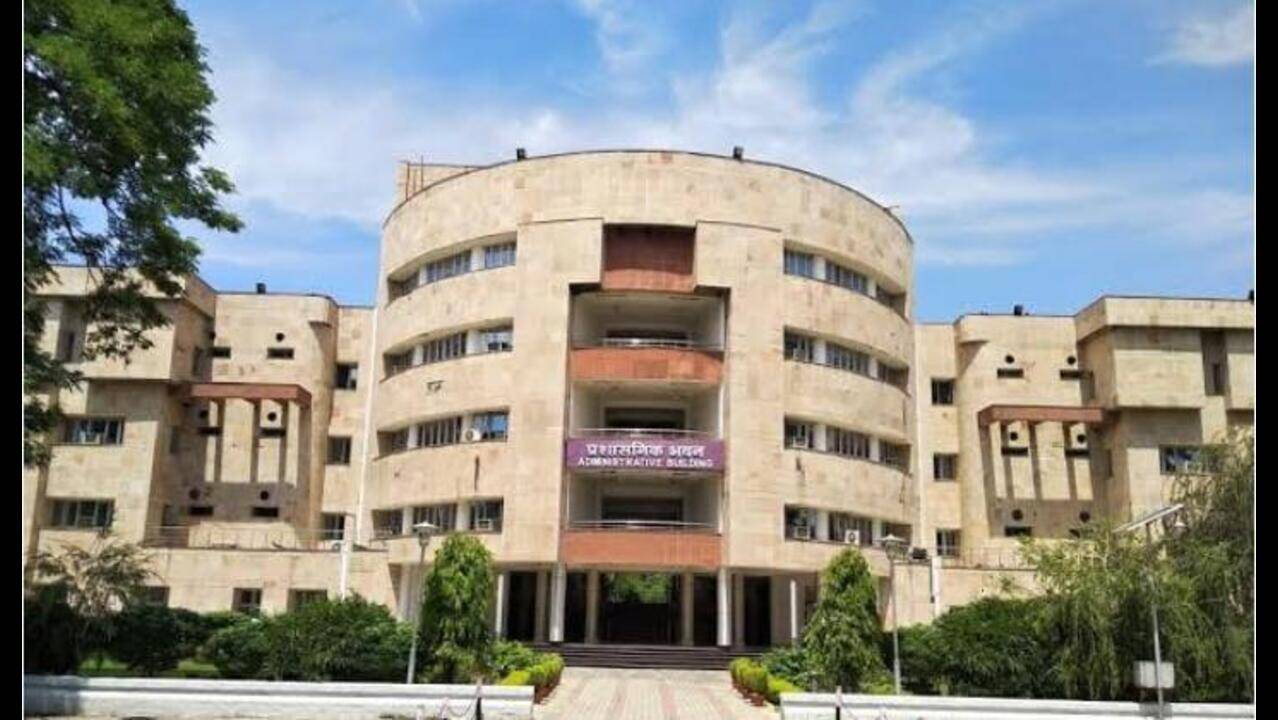
As the demand for experts in Artificial Intelligence, Machine Learning, and Data Science continues to skyrocket, institutions are evolving their curriculum to match industry needs. MNNIT Allahabad has announced a significant update to its academic offerings: the introduction of a BTech program in Mathematics and Computing, slated to commence in the 2026-27 academic session.
This new program arrives as a strategic response to the tech sector's reliance on high-level mathematical modeling. By integrating rigorous mathematical foundations with modern computing techniques, the course aims to prepare students for the next wave of technological innovation.
Why Mathematics and Computing Matters
The intersection of mathematics and computer science is widely considered the bedrock of contemporary tech advancement. While standard computer science degrees focus heavily on software development and systems architecture, a specialized degree in Mathematics and Computing dives deeper into the models that power AI and automated systems.
- Advanced Mathematical Foundations: Graduates gain a deeper understanding of algorithms and statistical models.
- AI and Machine Learning Integration: The curriculum focuses on the mathematical logic behind training modern AI systems.
- Industry-Ready Skills: The program is designed to produce professionals capable of solving complex computational problems that require both logic and advanced math.
- Limited Intake: The initial batch will be capped at 30 seats to ensure quality instruction and focused mentorship.
Preparing for the Future of AI
The launch of this program underscores a growing realization that the future of tech is not just about writing code, but understanding the mathematical architecture behind it. As industries move toward greater automation, professionals who can bridge the gap between abstract mathematical concepts and tangible software applications will be in high demand.
Graduates of BTech Mathematics and Computing have the expertise to work with these mathematical models, training AI systems that can automate processes, improve accuracy, and transform industries.
— Industry Research Perspective