environment & conservation••5 min read

The $40 Million Gamble That Saved a Lost African Paradise

After two decades of civil unrest left Mozambique’s Gorongosa National Park decimated, tech entrepreneur Greg Carr embarked on a massive restoration project. Today, the park stands as a beacon of ecological recovery and community development. Discover how a unique public-private partnership changed the landscape forever.

The $40 Million Gamble That Saved a Lost African Paradise

From Tech Entrepreneur to Conservationist

In 2004, American tech entrepreneur Greg Carr visited Gorongosa National Park for the first time. What he saw was a shell of a former paradise; years of civil war had decimated the wildlife, resulting in a 95% loss of animal populations. Recognizing the potential of the land, Carr committed to a 30-year, $40 million effort to restore the park to its former glory.

Unlike typical conservation efforts that focus solely on animal protection, Carr entered into a unique 20-year co-management agreement with the Mozambican government in 2008. The partnership aimed to balance scientific research, wildlife rehabilitation, and community support for the 250,000 people living near the park's boundaries.
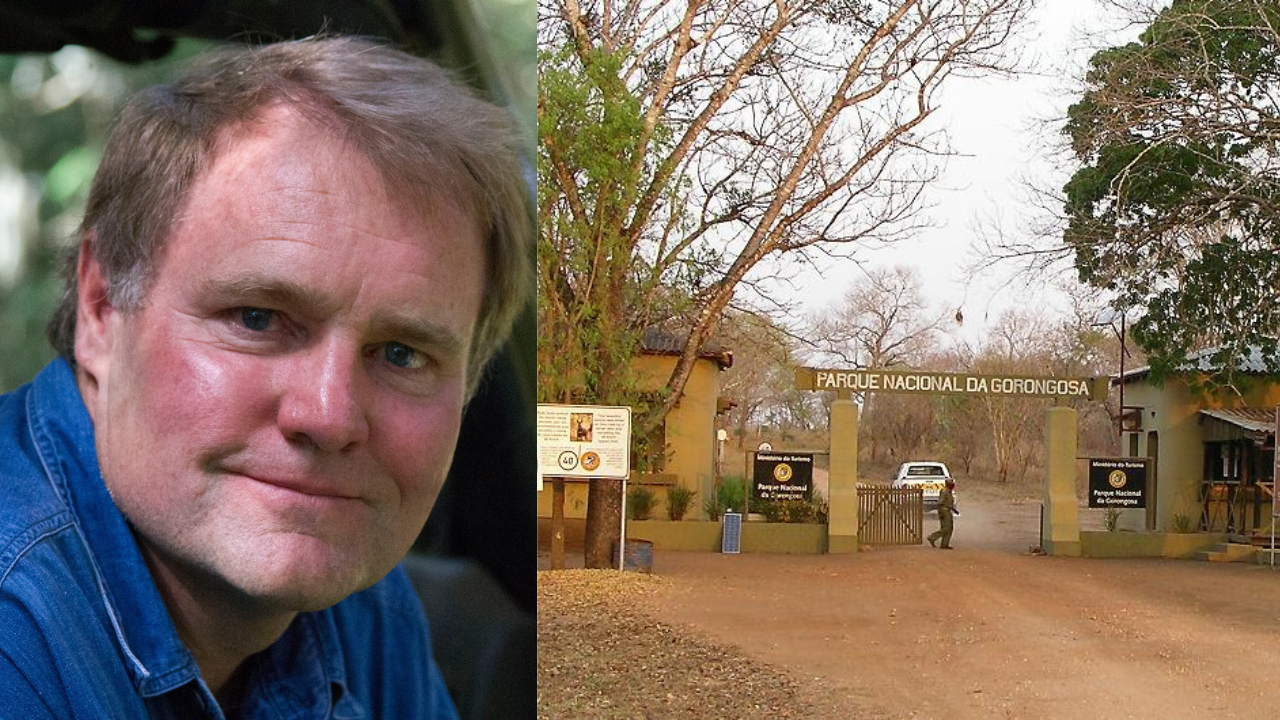
Gorongosa National Park, once devastated by conflict, has seen a significant resurgence in mammal populations.

A Science-Based Approach to Restoration

The success of Gorongosa lies in its philosophy. Carr emphasizes that nature is resilient—approximately 95% of the park's restoration happened naturally once the primary threats were removed. The foundation’s primary intervention involved removing 27,000 snares and traps to allow wildlife numbers to increase on their own.

  • Infrastructure development, including headquarters at Chitengo and tourist accommodations.
  • Collaboration between the Carr Foundation and the Ministry of Tourism.
  • Local employment through training guides and supporting community outreach.
  • Biological monitoring to manage the park's fragile ecosystem.

People are healthier and happier when they are out in wild nature. Trees make us happy. Vistas of water, mountains, grasslands and wildlife make us happy.

— Greg Carr

The Future of the Gorongosa Model

Two decades later, the park has transformed from the 'night' of the colonial era—where local Mozambicans were restricted from entry—to the 'day' of the 21st century. It serves as a living laboratory and a model for how public-private partnerships can successfully integrate human development with deep-scale environmental restoration.

Key Takeaways

  • Greg Carr committed $40 million over 30 years to rebuild Gorongosa National Park.
  • The project utilizes a 20-year co-management agreement between private philanthropy and the Mozambican government.
  • Approximately 95% of the park's restoration occurred naturally after removing poaching threats like snares.
  • The initiative focuses on both wildlife conservation and community welfare for 250,000 local residents.
  • The park has shifted from a restricted colonial space to a public-access sanctuary for all.

FAQ

What is the Carr Foundation's role in Gorongosa?

The foundation provides financial and management support to restore the park's ecosystem and infrastructure in partnership with the Mozambican government.

How much of the park's recovery was assisted vs. natural?

According to Greg Carr, about 95% of the restoration occurred naturally once poaching devices like snares were removed.

Is the park open to tourists?

Yes, the park has been rebuilt to include tourist facilities, and local guides are trained to lead photo safaris.

Does the project benefit local communities?

Yes, a core component of the agreement is improving the lives of the 250,000 people living around the park.

Related Videos

Rebuilding and repopulating Mozambique’s Gorongosa National Park

60 Minutes

Rediscovering a Lost Paradise

Ultimate Nature Documentaries

Gorongosa National Park: The Rebirth Of A Lost African Paradise

SLICE Travel

Sources