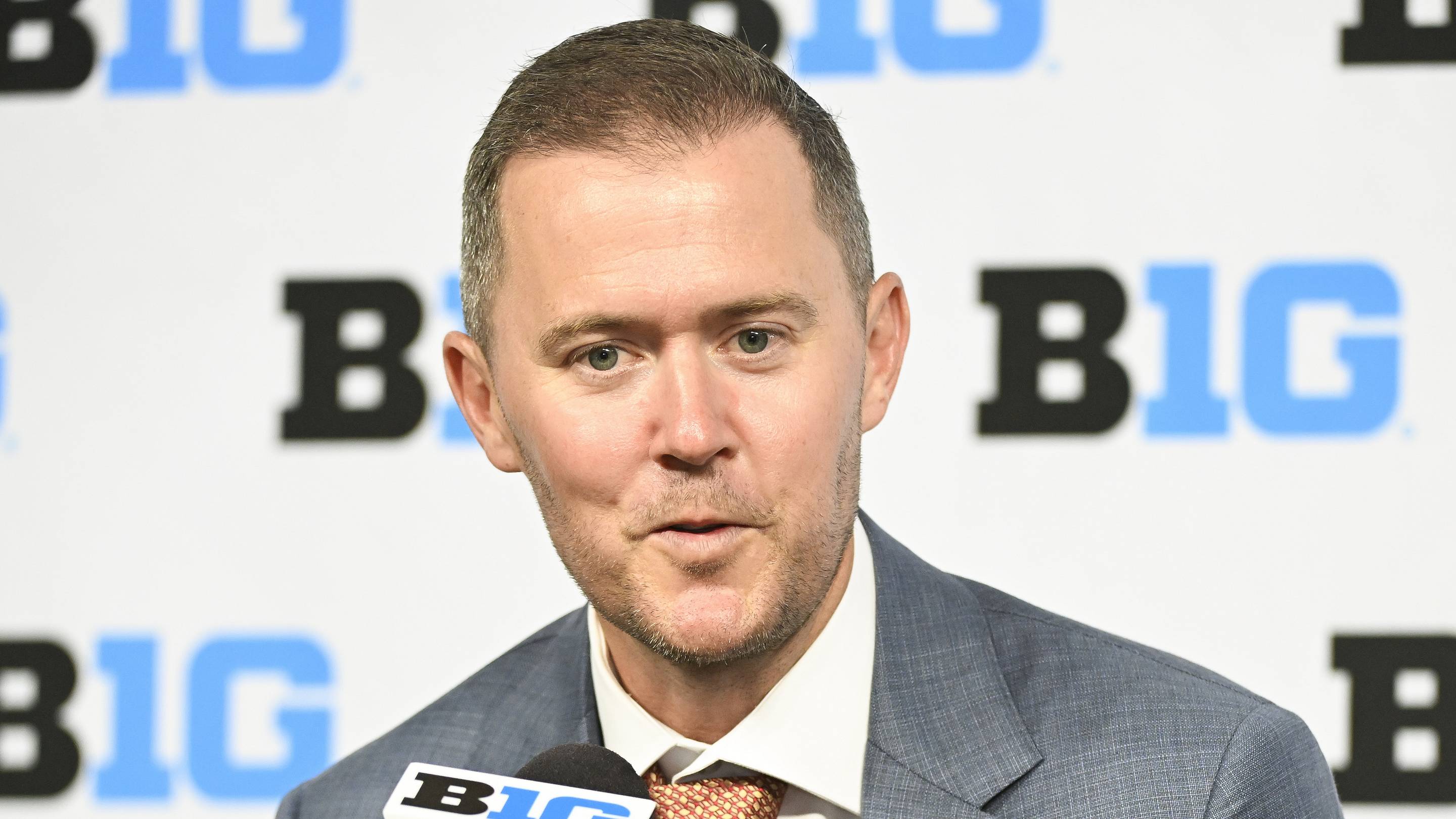
A New Era for USC Football
The landscape of college football is defined as much by high-tech training environments as it is by on-field talent. For the USC Trojans, the long-awaited Bloom Football Performance Center has finally moved from vision to reality. As part of a massive $225-million athletics infrastructure investment, this facility was a critical requirement presented to head coach Lincoln Riley when he first accepted the job.
The center is designed to serve as the heartbeat of the program, consolidating player development, recovery, and tactical preparation under one roof. For Riley, the building is more than just square footage—it is an essential tool for maintaining competitiveness in a rapidly evolving college sports ecosystem.
Why Facilities Still Matter
While debates persist about whether luxury facilities directly translate into recruiting wins, the industry trend remains clear: elite programs are prioritizing the student-athlete experience. Beyond the aesthetics, modern performance centers focus on:
- Integrated player development spaces for film study and cognitive training.
- Advanced nutritional support and specialized kitchen facilities.
- Optimized circulation paths to impress recruits during campus tours.
- Flexible meeting areas that bridge the gap between academic and athletic responsibilities.
The gap between programs that embrace cognitive development and those that don't will only widen.
— Industry Expert/Thought Leadership
Navigating Challenges on the Path to Excellence
Opening a world-class facility is a massive achievement, but it comes at a time when the program is managing the harsh realities of the sport. The excitement of the new building is tempered by the news that starting center Kilian O’Connor will miss the upcoming season. O’Connor suffered a non-contact injury during practice that required surgery—a sobering reminder of the physical risks student-athletes face regardless of their training environment.
As the Trojans settle into their new home, the focus shifts to how these resources can best support a roster facing high expectations and constant pressure. With the coaching staff—including receivers coach Dennis Simmons—continuing to push for high performance, the Bloom Performance Center will likely serve as the primary laboratory for the team’s ongoing evolution.