technology••5 min read

Smart Glasses Are Hitting a Breaking Point: Innovation vs. Privacy

While new innovations like the VITURE Pro 2 solve long-standing optical issues, the smart glasses industry is facing a severe identity crisis. As adoption grows, public spaces are pushing back against the privacy implications of wearable cameras.

Smart Glasses Are Hitting a Breaking Point: Innovation vs. Privacy

The Dual Reality of Wearable Tech

The dream of wearable AI has arrived, but it is encountering a harsh reality. On one hand, manufacturers are making massive strides in hardware capability. On the other, the public is increasingly wary of what these devices mean for personal privacy.

This friction point defines the current state of the smart glasses market: a race to build better hardware while navigating a social landscape that is becoming increasingly hostile toward recording devices.
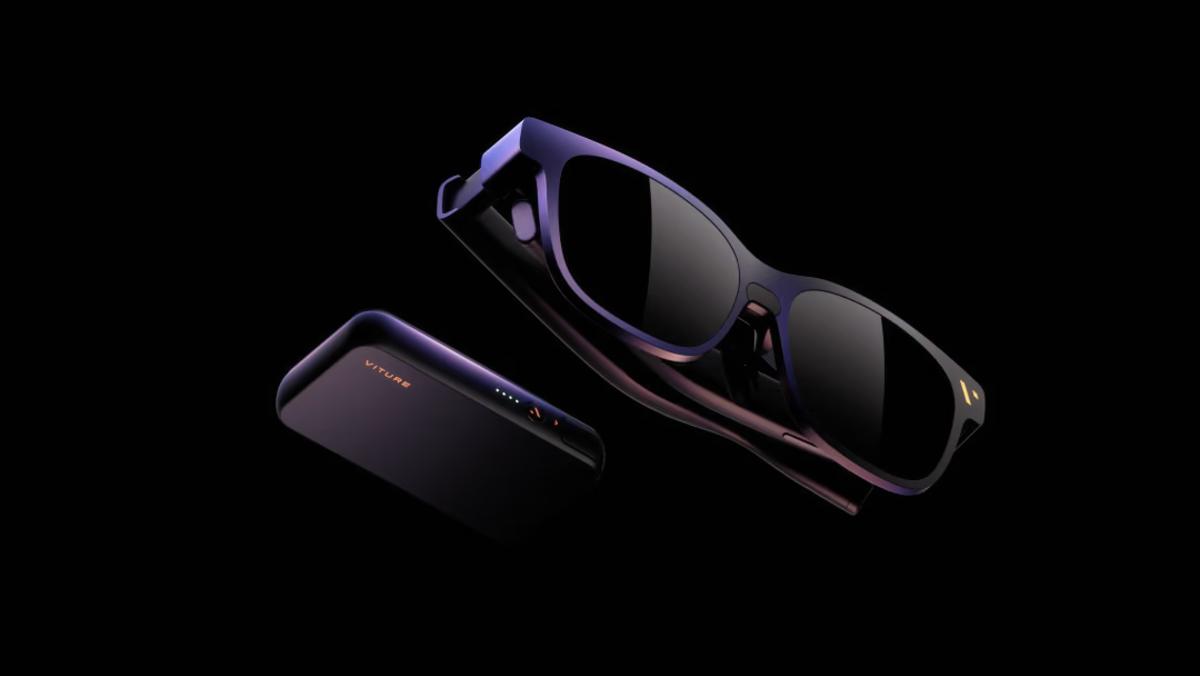
The new VITURE Pro 2 introduces advanced optics and built-in diopter dials for users.

Innovations That Change the Game

Technological advancements continue to drive consumer interest. A prime example is the August 2026 launch of the VITURE Pro 2. This device tackles the 'birdbath' AR optic challenges that have plagued earlier generations.

  • UltraClarity 3.0 optics to correct field curvature.
  • Built-in per-eye diopter dials (0 to -5.00D), removing the need for custom prescription inserts for many users.
  • A competitive entry price of $299.

The Privacy Pushback

Despite these hardware improvements, the social integration of smart glasses is stalling. In the UK, a growing number of restaurants, pubs, and clubs are actively restricting the use of smart glasses on their premises. The primary concern? Unconsented filming and the invasion of privacy in spaces where people expect to be off the record.

The rapid advancement of smart wearable technologies represents a significant shift in how users interact with technology, but adoption remains heavily influenced by the barriers to social acceptance.

— Tech Industry Research

With millions of units sold—including 7 million Meta devices in the previous year—the prevalence of cameras on faces is no longer theoretical. Businesses are now proactively setting boundaries to manage liability and customer comfort, potentially creating a 'no-go zone' for the very tech enthusiasts these products aim to target.

Key Takeaways

  • New hardware like the VITURE Pro 2 is solving fundamental optical issues like field curvature.
  • Built-in diopter dials are making AR glasses more accessible for those with vision impairments.
  • Public establishments in the UK are banning smart glasses over privacy and recording concerns.
  • Widespread adoption of AI wearables faces a social barrier as much as a technical one.
  • The industry must balance aggressive AI feature integration with the need for transparent privacy indicators.

FAQ

What makes the VITURE Pro 2 different from older AR glasses?

It features UltraClarity 3.0 optics to fix field curvature issues and includes physical diopter dials to accommodate nearsighted users without needing custom lenses.

Why are pubs and restaurants banning smart glasses?

Establishments are concerned about customers filming without consent, which poses privacy and liability risks for venues.

Are smart glasses still a growing market?

Yes, major players like Meta have sold millions of units, showing strong consumer interest despite the current privacy pushback.

What is the primary technological hurdle for smart glasses today?

Beyond optics, industry experts note that battery efficiency and integrating hybrid power systems are critical for making wearable AI devices practical for daily use.

Related Videos

Top 5 Best Ai Smart Glasses 2026

Tech Rank

Wait... Smart Glasses are Suddenly Good?

Marques Brownlee

Sources