A Paradigm Shift in Modern Nutrition
The global food landscape is undergoing a significant transformation. Driven by a surge in health-conscious eating habits, rising awareness of celiac disease, and widespread gluten intolerance, the gluten-free products market has transitioned from a niche category to a mainstream powerhouse. This shift is not just a trend; it is a fundamental change in how manufacturers approach product development and portfolio diversification.

Why the Market Is Skyrocketing
Growth in the sector is being propelled by several key factors. Consumers are no longer viewing gluten-free as a restrictive diet, but as a gateway to functional and nutritious eating. Manufacturers are responding by reformulating existing products and innovating with ancient, nutrient-rich grains like sorghum and amaranth. These ingredients provide essential fiber, protein, and minerals, filling the gap left by modern processed grains.
- Rising awareness of autoimmune conditions like celiac disease.
- Increased focus on preventive healthcare and nutritional density.
- Technological advancements enabling better texture and taste in gluten-free goods.
- Expansion of e-commerce and increased retail shelf space for specialized products.
- The rediscovery of ancient grains as healthy, staple alternatives.
Economic Implications and Market Outlook
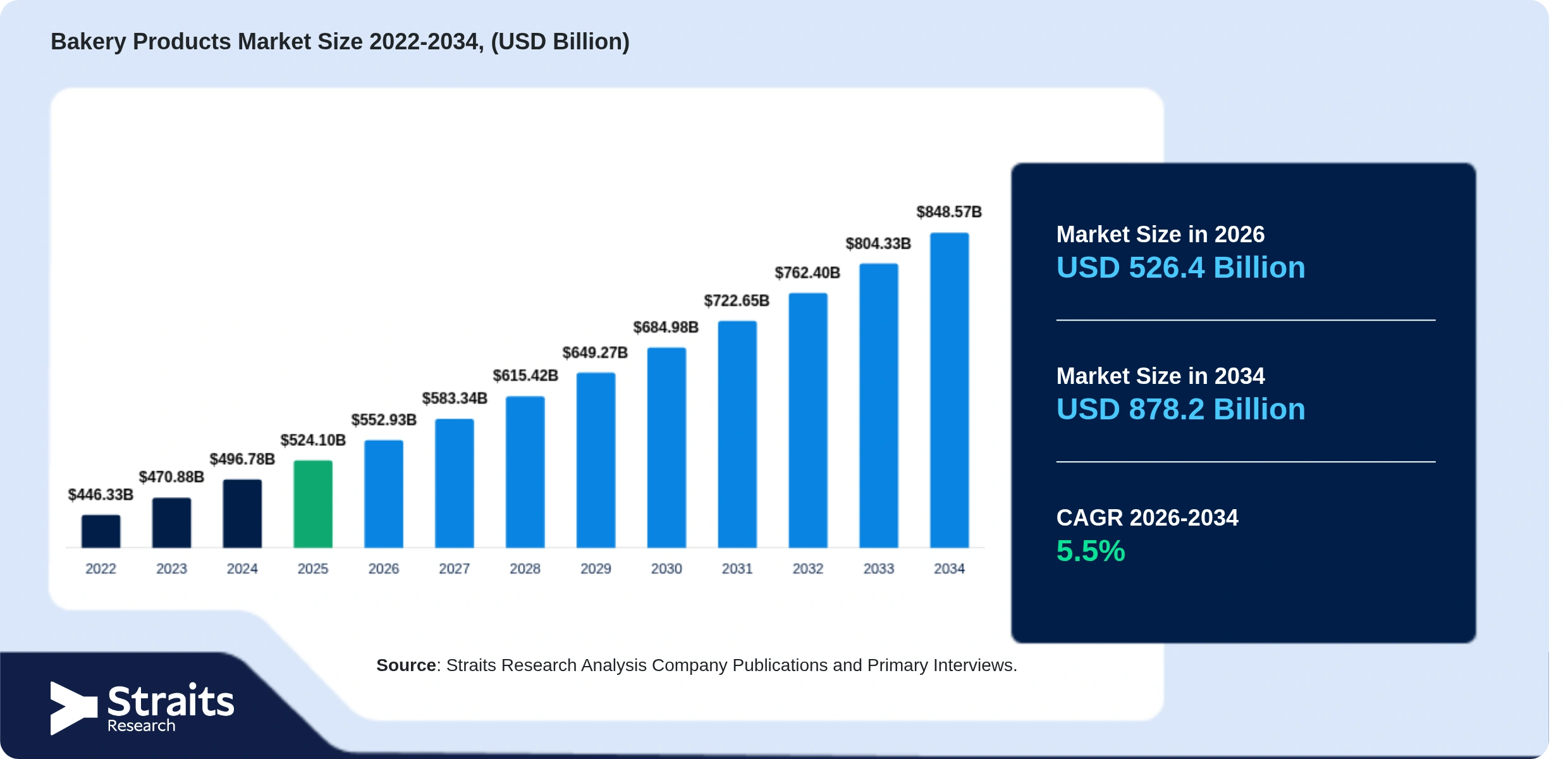
The broader food industry, including the massive bakery market—projected to grow from $526.4 billion in 2026 to $878.2 billion by 2034—is heavily influenced by these dietary pivots. Companies are increasingly using portfolio expansion as a primary competitive strategy to capture market share. However, this growth is not without challenges. Industry experts note that the high cost of sourcing high-quality gluten-free ingredients and the complexities of marketing these products remain significant hurdles for smaller suppliers.
Ancient grains are recognized as nutrient-rich staples in the global food industry and act as a rich source of important nutrients such as fiber, protein, bioactive compounds, and minerals.
— Fortune Business Insights