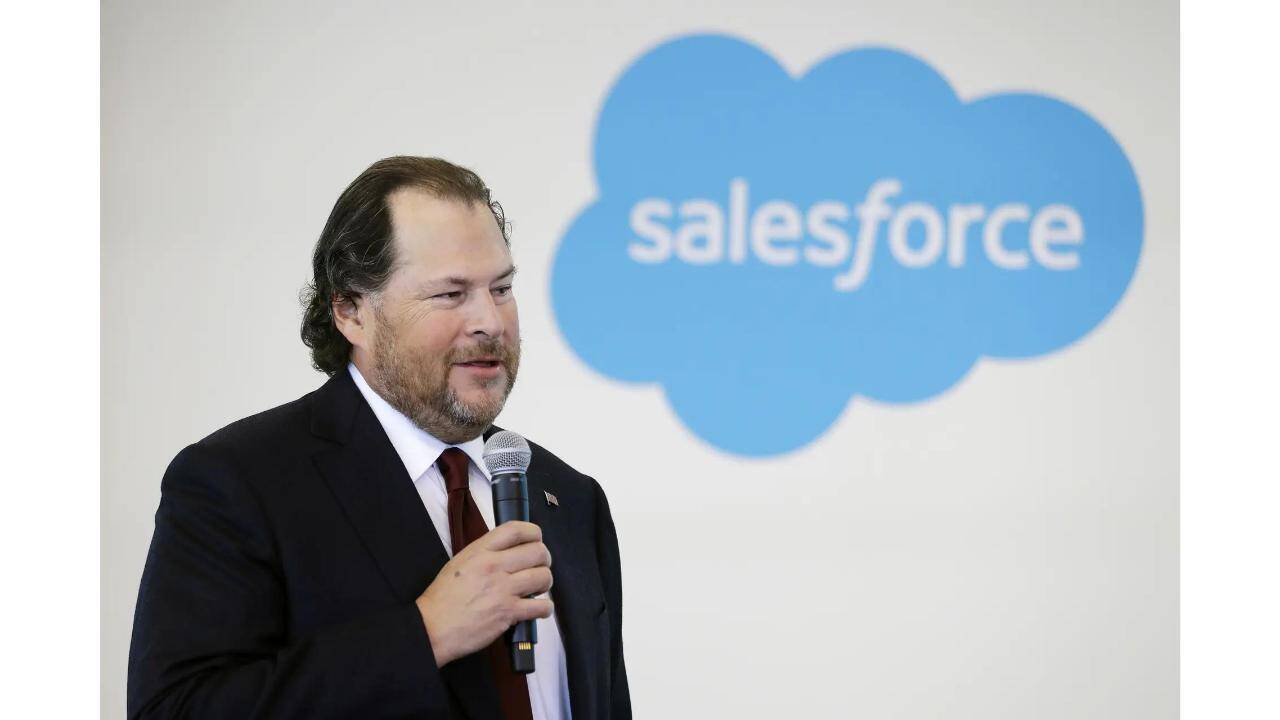
A New Operational Architect for Salesforce
Salesforce is recalibrating its leadership hierarchy to better navigate the complexities of the artificial intelligence era. The CRM giant recently announced the promotion of Miguel Milano, formerly the company's chief revenue officer, to the role of Chief Operating Officer. Working directly under CEO Marc Benioff, Milano will oversee the company's operations during a critical period of transition.
This move arrives alongside a significant change in the engineering department. Salesforce has confirmed the departure of its chief engineering officer, with Rohan Kumar—a veteran recruit from Microsoft—stepping in to lead the division. These appointments underscore a broader shift in focus as Salesforce pivots toward deeper AI integration across its product suite.
The AI Mandate: Balancing Innovation and Scale
The appointment of Milano isn't merely a reshuffling of titles; it is a signal of the operational intensity required to maintain dominance in a market crowded by AI-first competitors. Salesforce has been vocal about its 'Agentforce' platform, which focuses on deploying AI agents that can handle autonomous tasks, ranging from customer support to lead qualification.
- Productivity shifts: Salesforce has utilized AI agents to streamline support departments, focusing on proactive customer engagement.
- Strategic redirection: The company is moving resources away from reactive support toward high-value roles, such as implementation health checks and adoption guidance.
- Operational intensity: Scaling AI features requires robust infrastructure, including automated testing and observability, to handle increased workflow velocity.
Leadership is critical for setting the vision, allocating resources, fostering cross-functional collaboration, driving cultural change, and championing responsible AI adoption.
— Salesforce AI Strategy Guide
The Broader Market Context
Salesforce’s focus on AI comes at a time when the broader software industry is under a microscope regarding the profitability of these new technologies. Recent market signals—including stock slides across the software sector—have highlighted investor concerns regarding surging R&D and operational costs associated with AI development.
By placing an experienced executive like Milano at the helm of operations, Benioff is likely looking to bridge the gap between aggressive AI-driven innovation and the necessary operational discipline required to keep margins healthy. As the company continues to reshape its workforce to meet the demands of an automated future, the success of these new leaders will be measured by their ability to maintain service quality while scaling AI at a massive enterprise level.