A Potential End to Months of Uncertainty
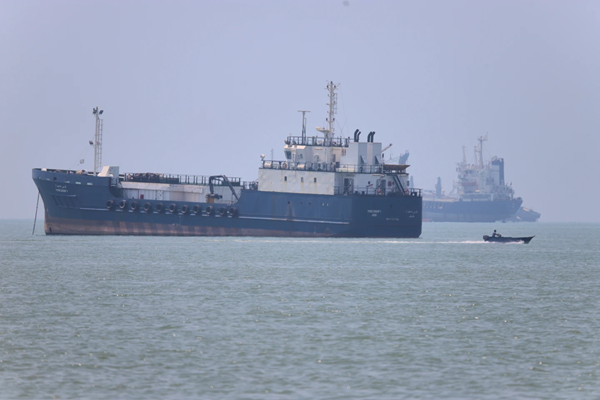
For months, the Strait of Hormuz has been at the epicenter of a geopolitical standoff, creating significant volatility in global energy supplies. Now, that tension appears to be shifting. Both Iran and the United States have indicated that a breakthrough is within reach, with Iran confirming it is in the “final stage” of drafting an agreement with Oman regarding the waterway.
President Trump recently fueled optimism by stating that an announcement regarding the deal could come as early as this week. If successful, the agreement would mark a major turning point in regional stability, potentially reopening one of the world’s most vital oil transit chokepoints.
What the Agreement Means for Global Markets
The Strait of Hormuz serves as a critical artery for global commerce. Any disruption here reverberates through oil prices, shipping costs, and eventually, consumer inflation. Investors have been watching these negotiations closely; early reports of the deal have already contributed to record climbs in global stock markets as the prospect of supply chain normalization emerges.
- Geographic coordinates: Iran has reportedly reached an agreement with Oman on specific geographic coordinates for the proposed shipping route.
- Economic relief: A reopening would help ease pressure on the global economy by stabilizing energy transport.
- Diplomatic movement: The role of Oman as a mediator has been essential in moving the draft from negotiations to the final approval phase.
- Market reaction: Global indices have shown positive momentum as stakeholders bet on the resolution of supply chain risks.
Iran said Wednesday it is in the 'final stage' of drafting an agreement with Oman over the Strait of Hormuz, and U.S. President Donald Trump has said a deal could be announced this week.
— Associated Press
The Road Ahead: Hurdles and Requirements
While the prospect of a deal is encouraging, experts warn that final implementation is rarely simple. Significant policy adjustments may be required from multiple parties involved. The history of this conflict suggests that both the U.S. and Iran will need to make substantial concessions to satisfy all security requirements.
If these hurdles are cleared, the resulting deal could not only stabilize energy prices but also serve as a foundational step toward de-escalating broader regional hostilities. For now, the world waits for the final signatures that could bring much-needed clarity to international shipping lanes.