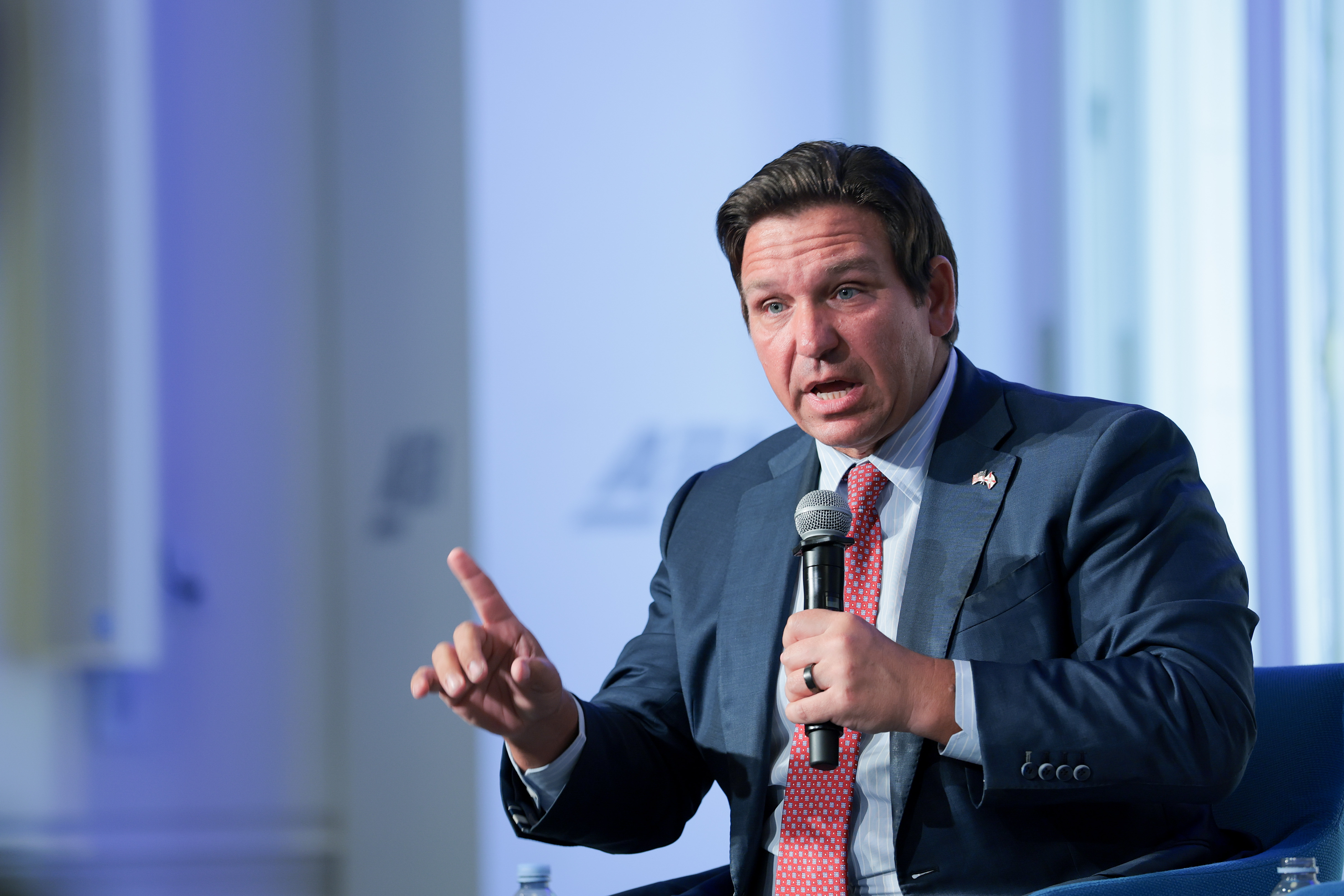
A Major Legal Shift in Florida
A federal appeals court has handed Florida officials a significant victory in the ongoing legal battle over the state's restrictions on youth attendance at certain live events. In an 8-5 decision, the full bench of the 11th Circuit Court of Appeals ruled that the state’s law barring minors from “adult live performances”—often cited in the context of drag shows—is constitutional.
This decision marks a reversal of a lower court’s previous injunction, which had blocked the state from enforcing the law on First Amendment grounds. The appellate majority determined that the state has a clear interest in regulating what it classifies as obscene content for children.
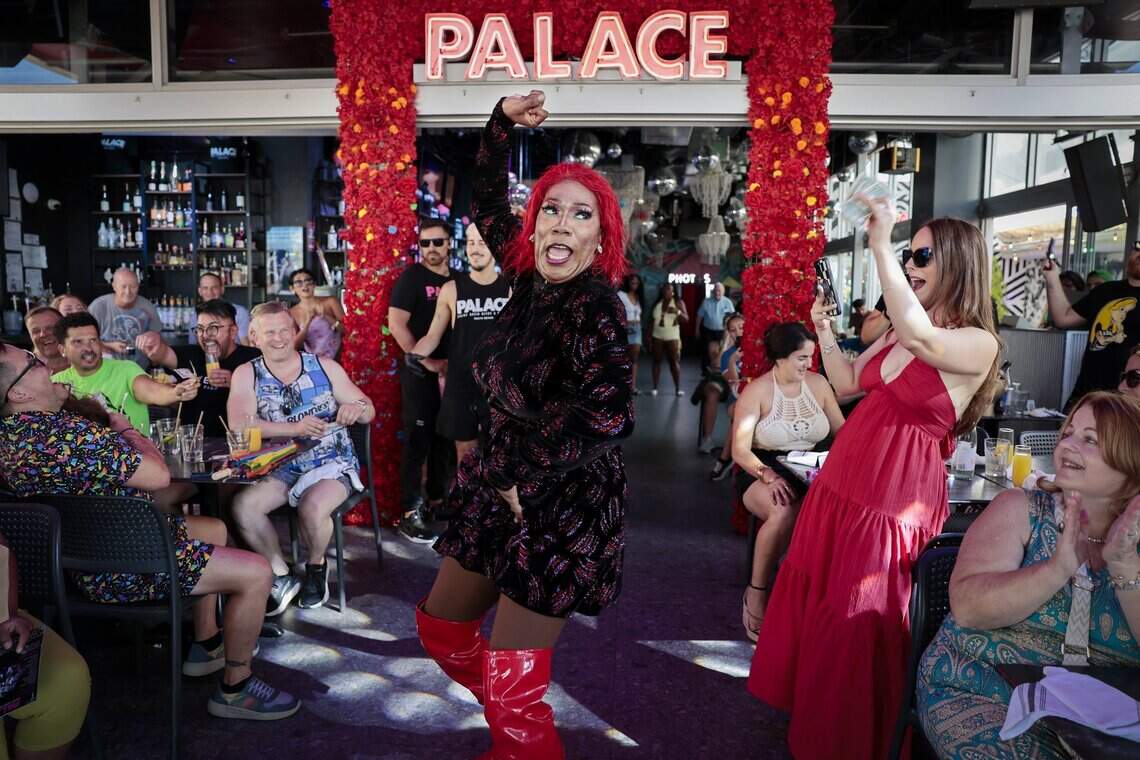
Defining the Scope of the Law
The legislation at the heart of the case, commonly referred to as the Protection of Children Act, prohibits businesses from knowingly admitting children to performances that meet specific criteria. For the law to apply, the performance must:
Writing for the majority, Judge Andrew Brasher characterized the law as a “straightforward regulation of obscenity.” The ruling emphasizes that the state possesses a rational interest in safeguarding the well-being of minors, distancing the regulation from broader concerns regarding the suppression of speech.
Preventing children from attending adult live performances obscene for them is rationally related to Florida’s interest in safeguarding the well-being of minors.
— Judge Andrew Brasher, 11th Circuit Court of Appeals
The Path to This Decision
The road to this ruling has been marked by three years of intense litigation. Following the law's passage in 2023, plaintiffs, including the establishment Hamburger Mary’s, sought an injunction against the state, arguing the law was overly vague and infringed upon free speech protections. U.S. District Judge Gregory Presnell initially granted that injunction, and a three-judge panel of the 11th Circuit had initially affirmed that decision last year.
However, the landscape shifted in December when the full bench of the 11th Circuit voted to vacate the panel's decision and rehear the case en banc. The final ruling reflects a deep divide within the court, with five dissenting judges arguing that the statute was designed to “chill” expression.