gaming••5 min read

Why Xbox Prices Are Surging and What It Means for the Future of Gaming

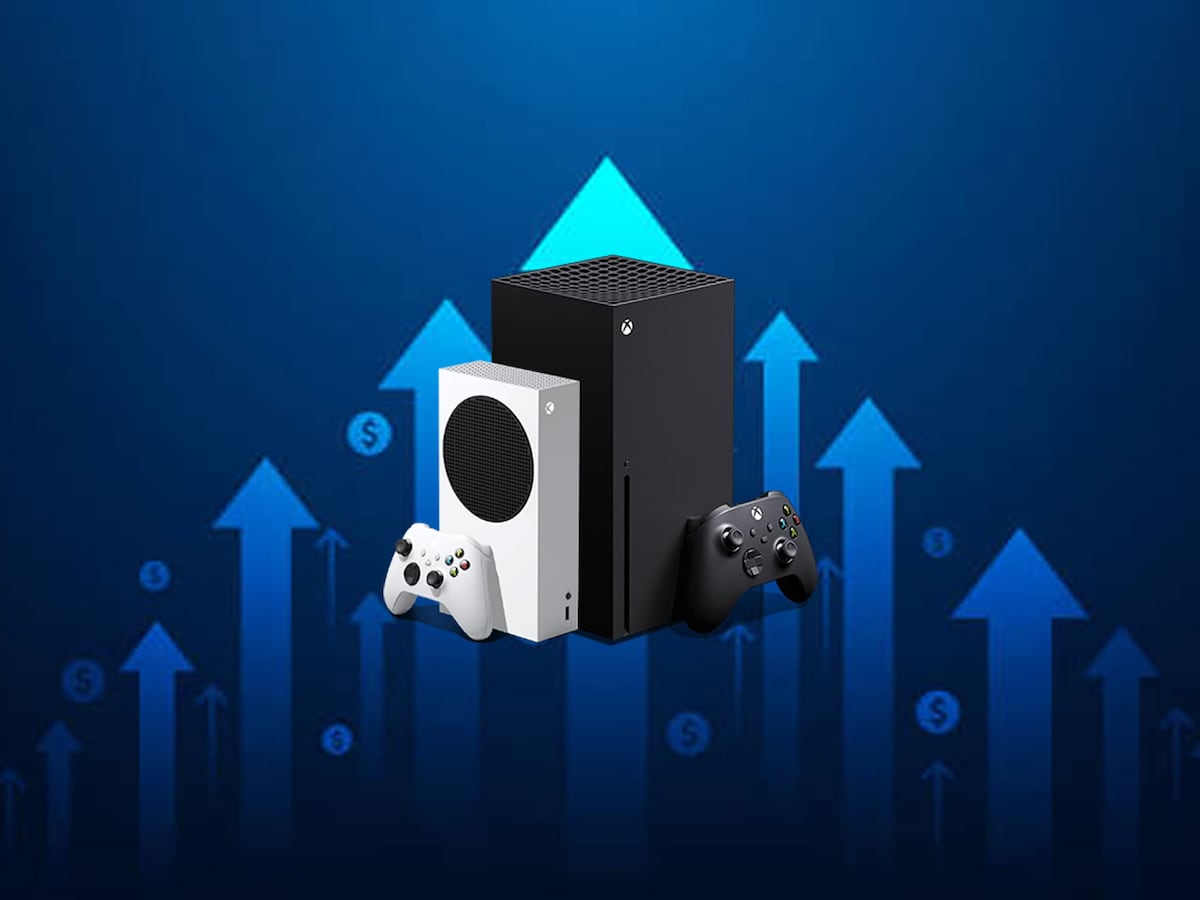
Microsoft is raising prices on Xbox Series X|S consoles by up to $150 starting August 1, 2026, citing a severe shortage of memory and storage components. This move reflects the broader impact of the AI boom on the global supply chain, leaving many to wonder if $1,000 consoles are the new reality.

Why Xbox Prices Are Surging and What It Means for the Future of Gaming

The New Reality of Console Costs

If you have been eyeing an Xbox Series X or Series S, your window to buy at current prices is closing. Microsoft officially announced that, effective August 1, 2026, it will increase the price of its console lineup worldwide. This follows a difficult period for the electronics industry, where the demand for high-end memory and storage has far outpaced production capacity.
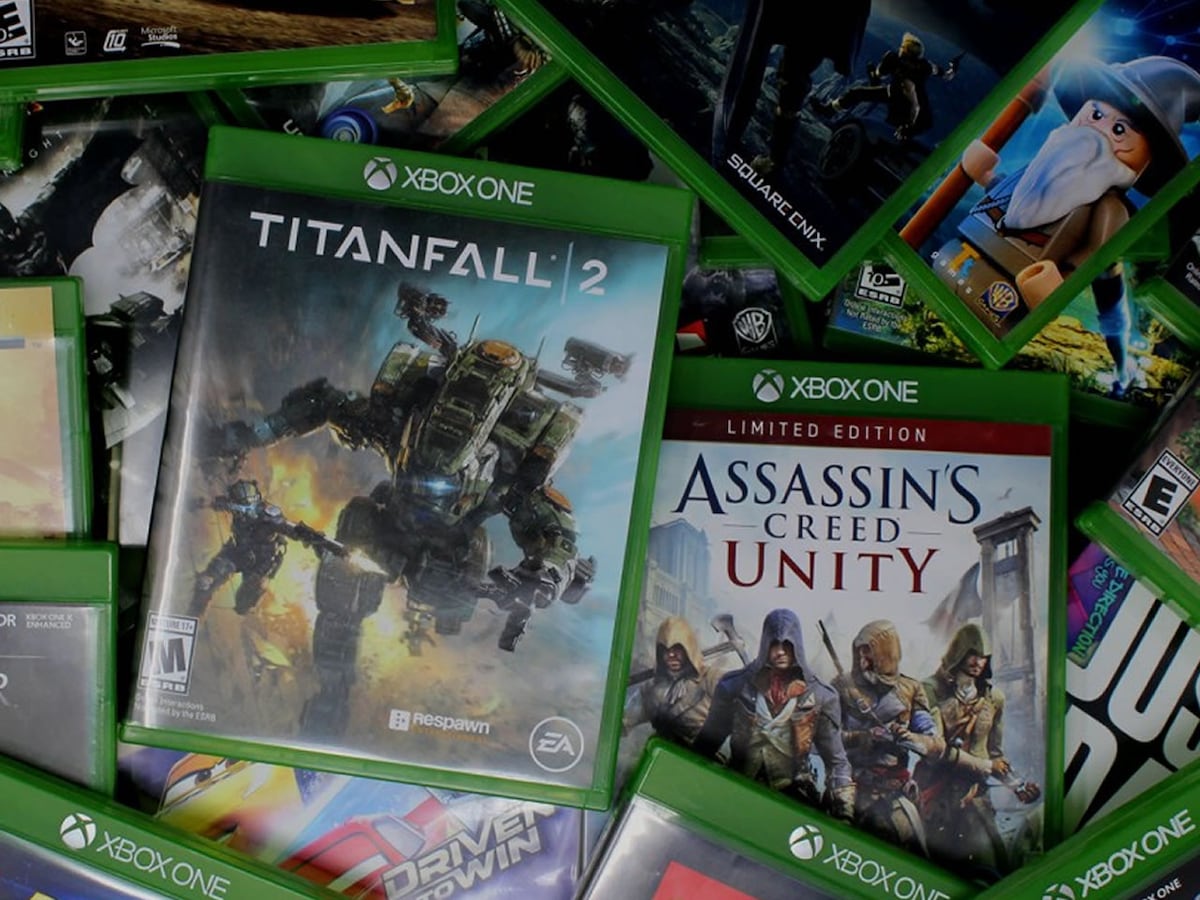
Microsoft is balancing hardware costs with new programs like Disc to Digital to maintain ecosystem engagement.

The AI Connection: Why Memory Matters

You might wonder why a game console is suddenly becoming more expensive years after its release. The answer lies in the explosive growth of artificial intelligence. The hardware components required for AI data centers—specifically the same type of memory and storage used in gaming consoles—have become a premium commodity.

  • Memory and storage prices have increased by more than 2.5x.
  • Microsoft expects these costs to potentially double again by fall 2027.
  • The supply crisis is impacting the entire consumer electronics industry, with gaming consoles hit particularly hard due to their specific hardware requirements.

We hoped another price increase would not be necessary, and we have spent the last several months working with suppliers on options.

— Microsoft/Xbox Wire

What This Means for Project Helix and the Future

As Microsoft navigates this difficult fiscal landscape, industry analysts are looking toward the future, specifically 'Project Helix.' With current-gen consoles reaching higher price tiers, the market is bracing for the next generation of hardware to potentially debut at a much higher price point—possibly reaching the $1,000 threshold. While Microsoft continues to work on consumer-friendly initiatives like the 'Disc to Digital' program to bridge the gap between physical and digital collections, the overarching trend points toward a shift in business models focused on higher-margin hardware to offset rising manufacturing costs.

Key Takeaways

  • Xbox Series X|S prices are increasing by $100 to $150 starting August 1, 2026.
  • The 2 TB model is being discontinued as part of the price restructuring.
  • The global AI boom has created a massive shortage of memory and storage, driving up component costs.
  • Project Helix may represent a new, higher-margin era for gaming hardware.
  • Microsoft is continuing to iterate on software solutions, such as the Disc to Digital conversion program, despite hardware pressures.

FAQ

How much will the new Xbox consoles cost after the price hike?

Prices are increasing by $100 for 512 GB models and $150 for 1 TB models, effective August 1, 2026.

Why is Microsoft increasing the price of consoles?

The increase is due to the rising costs of console storage and memory, which have more than doubled due to demand from the AI industry.

What is the Disc to Digital program?

It is an upcoming Xbox initiative that allows players to convert physical game discs into digital licenses, allowing for easier digital access.

Will Project Helix be expensive?

While official pricing for Project Helix has not been confirmed, market trends suggest the next generation of consoles could see significantly higher entry prices.

Related Videos

Xbox Helix - EVERYTHING We Know So Far

GamingBolt

Project Helix: The Future of Xbox or Just Hype?

It Tastes Different Gaming

THIS is a Game Changer! Xbox Project Helix Performance Details Revealed at GDC 2026!

colteastwood

Sources