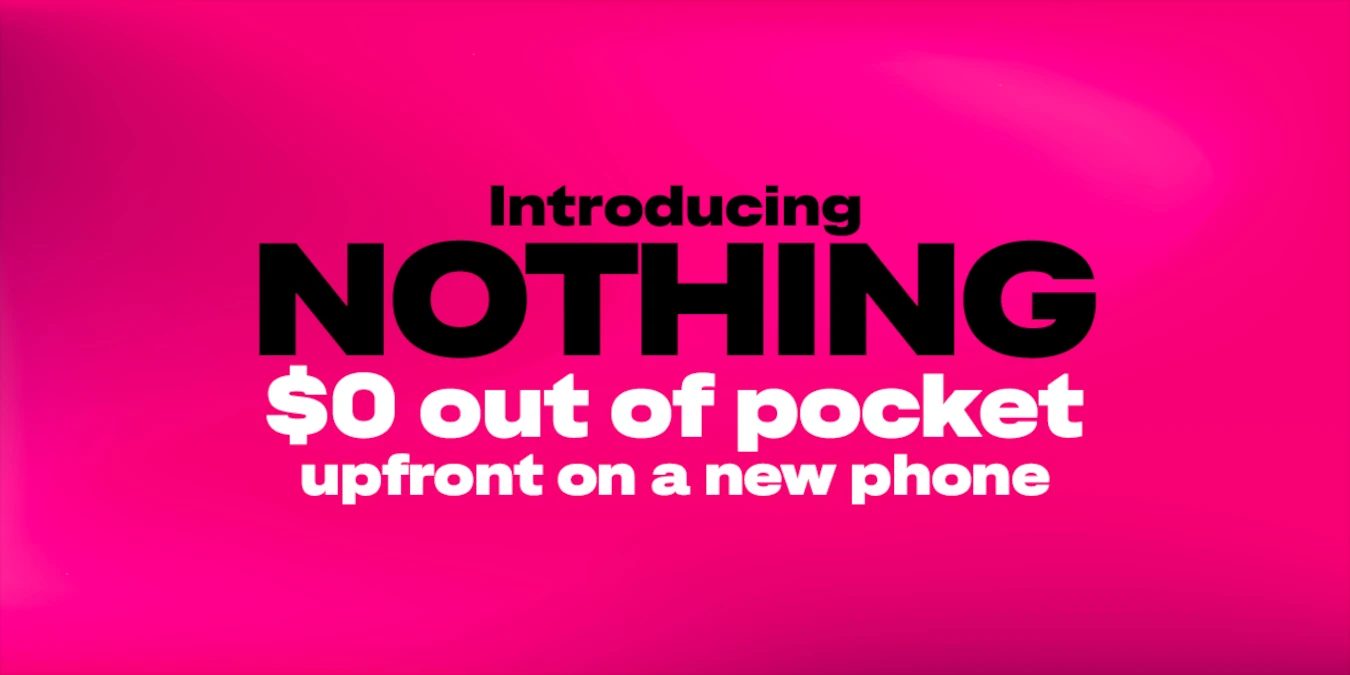
The End of Upfront Costs?
T-Mobile is officially tackling one of the biggest hurdles in the wireless industry: the immediate financial sting of switching providers. By eliminating upfront costs—including device taxes and fees—and rolling them into new 36-month financing plans, the carrier is aiming to make the transition to its service smoother for potential customers. This strategy, branded as a push to remove the financial friction of starting a new contract, essentially allows qualified buyers to walk out of a store with a new smartphone for effectively zero dollars down.

What’s Changing in the Fine Print
The shift centers on the introduction of 'EIP Flex 36' and 'EIP Standard 36' financing options. Unlike traditional plans where taxes and activation fees are paid at the point of sale, these new plans wrap those costs into the monthly installment price over three years. This mirrors broader industry trends where phone prices have climbed, and device lifecycles have lengthened.
- Elimination of upfront taxes and activation fees for qualified customers.
- Transition to mandatory 36-month Equipment Installment Plans (EIP) for those opting for financing.
- Rollout of '2.0' versions of existing plans to accommodate the longer payment structures.
- Existing customers can choose to stay on current plans or migrate to the 2.0 options to access the new financing terms.
The Trade-Off: Lower Barrier, Longer Commitment
While eliminating the initial payment makes a premium smartphone feel more accessible, it comes with a trade-off: a three-year commitment. For consumers, this increases the 'pain' of leaving the carrier, as breaking a 36-month agreement often requires paying off the remaining balance of the device in full. Financial experts often warn that separating the 'pain of paying' from the 'joy of consumption' through monthly installments can lead to lifestyle creep, potentially tempting users into buying more expensive hardware than they need.
Device financing often gets hidden inside your monthly bill, sometimes ending up with you paying for more than the full cost of the device if not careful.
— Wireless Industry Analyst