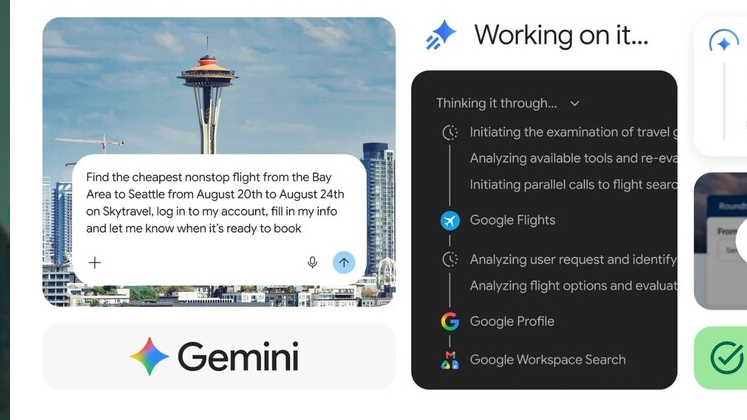
The Era of Agentic AI Has Arrived in Chrome
The landscape of web browsing is undergoing a fundamental shift. Following its introduction at Google I/O 2026, Gemini Spark has officially arrived in Chrome, moving beyond the standard chatbot experience. Instead of simply providing answers, Gemini Spark acts as an autonomous agent capable of executing multi-step workflows directly within your browser.
Designed to handle 'boring' and repetitive digital chores, the agentic capabilities of Gemini Spark allow it to navigate websites, interact with forms, and manage tasks even when you aren't actively monitoring the screen. It is powered by Gemini 3.5 and is currently rolling out to Google AI Pro subscribers in over 160 countries.
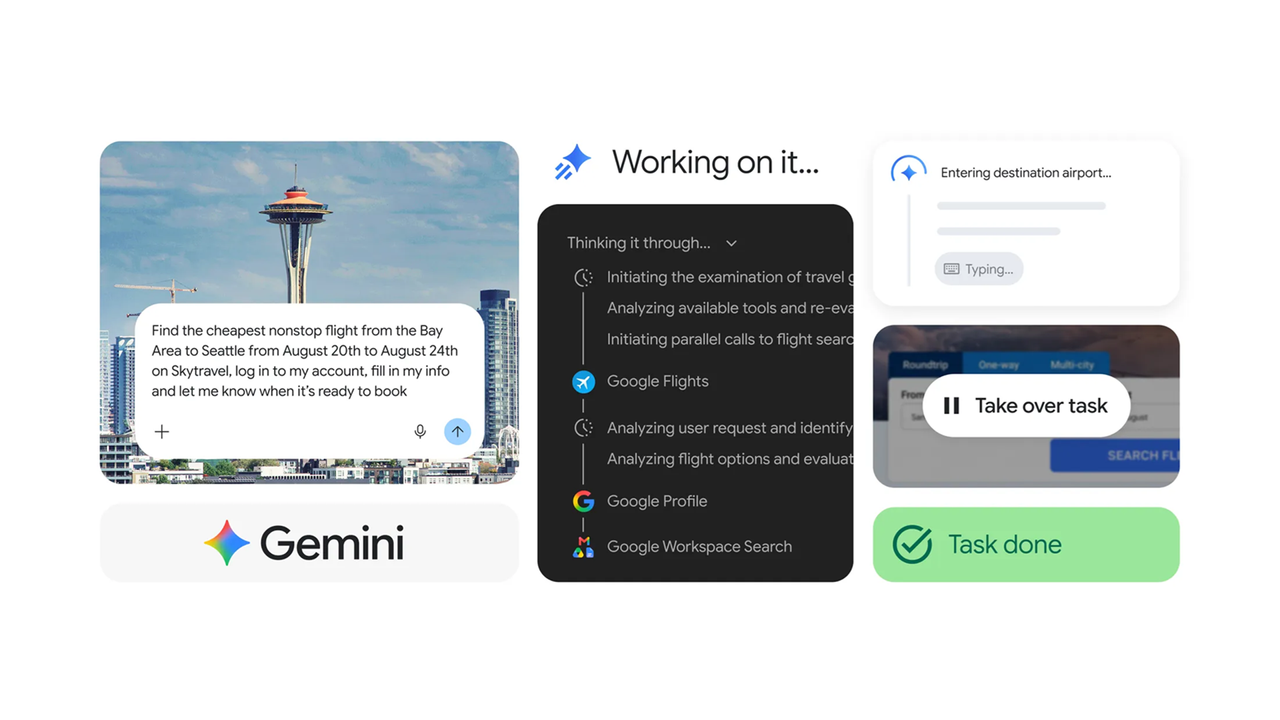
How Gemini Spark Automates Your Workflow
Gemini Spark differentiates itself from standard AI assistants by its ability to perform 'agentic' tasks. By utilizing your saved passwords and account information, it can bridge the gap between intent and execution. Google has highlighted several key functions for this new technology:
- Flight and travel planning: Searching for options and initiating the reservation process.
- Complex booking: Navigating hotel or service reservation flows automatically.
- Scheduling: Managing appointments or apartment viewings without manual input.
- Cross-tab management: Summarizing content and comparing data across multiple open browser tabs.
Safety remains a primary focus for Google. The company has emphasized that the system is protected against common web threats like code injection. Furthermore, users remain in control, with Gemini Spark providing updates on critical actions like payments or finalized reservations.
We are moving past the era of AI as a chatty assistant and into the 'agentic era,' where software doesn’t just suggest ideas but performs actual work on your behalf.
— Tech industry analysis
Availability and Limitations
While the reach of Gemini Spark is significant—spanning more than 160 countries—it is not yet a global rollout. Notably, the European Economic Area, the United Kingdom, and Switzerland have been excluded from the initial release, and Google has not provided specific public reasons for these geographic omissions.