A House Divided: The Escalating Conflict
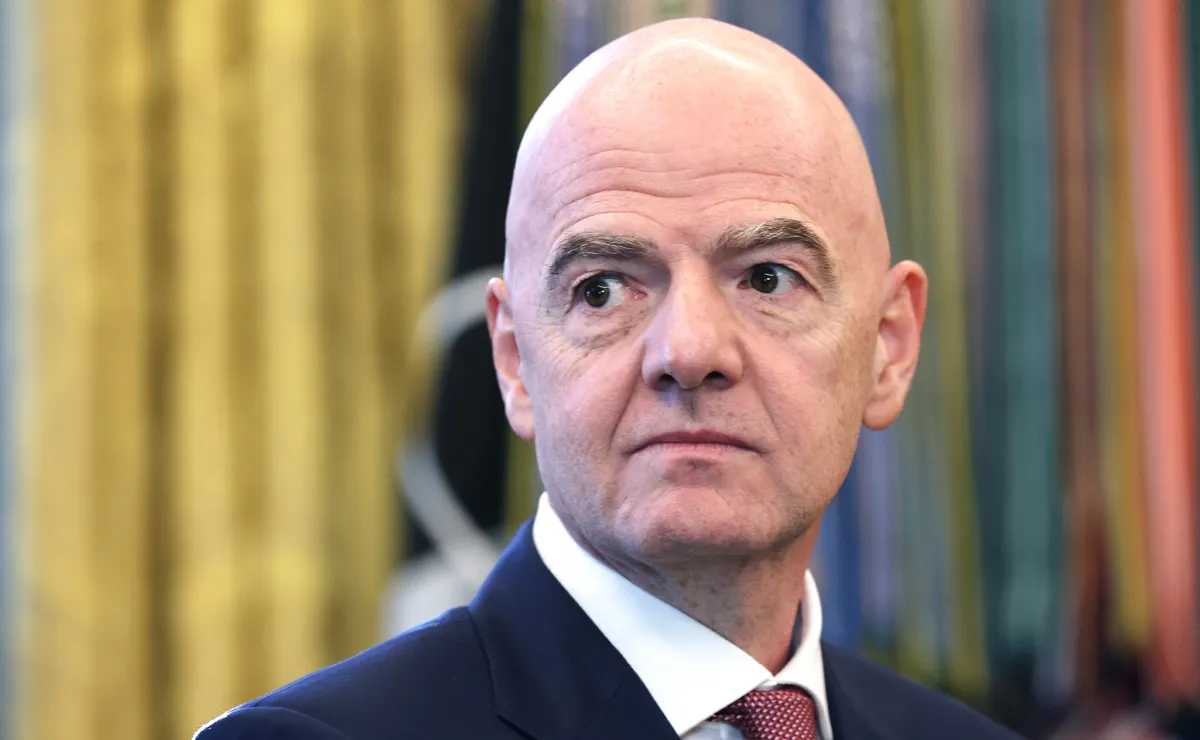
The power dynamics of global football are undergoing a seismic shift. For years, FIFA and UEFA maintained a uneasy balance of power, but that stability has fractured. Recent reports confirm that UEFA has issued a formal warning to FIFA regarding Gianni Infantino's controversial plans for a World Cup sell-off, with the European body threatening legal action to block the move.
The conflict is no longer confined to European borders. It has evolved into a global struggle for influence, as federations from Africa, Asia, and beyond find themselves pressured to pick a side in the widening gap between Zurich and Nyon.
Why the Tensions Have Spilled Over
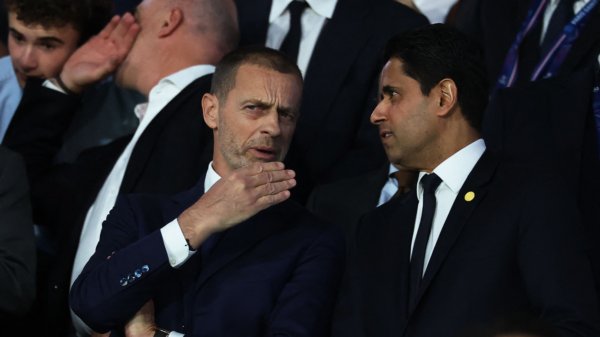
At the heart of the dispute is a fundamental disagreement over the direction of the sport. UEFA leadership, headed by Aleksander Ceferin, views FIFA's aggressive expansionism—particularly its push for new global tournaments and commercial strategies—as a direct threat to the integrity of the game and the existing football calendar.
- Concerns over commercial encroachment on established markets.
- Disputes regarding the international match calendar and player welfare.
- Strained personal relationships, highlighted by walkouts at the FIFA Congress in Asuncion.
- FIFA’s increasing financial independence, reducing its reliance on European oversight.
As far as UEFA are concerned, Infantino's relentless campaign to swallow up more of football is an act of aggression.
— Reporting on the FIFA-UEFA dispute
The Financial and Legal Frontier
FIFA's ability to operate with more autonomy has increased as it taps into non-European capital, including significant investments from the Middle East. This newfound financial cushion has allowed the organization to shift away from the traditional regulatory influence of the European Union, a trend that critics argue undermines necessary oversight.
As the legal battles mount—ranging from competition law challenges to specific transfer policy disputes—the future of football governance remains in flux. For fans, the outcome of this 'forever war' will likely determine the structure of the competitions they watch and the power balance of the leagues they support.