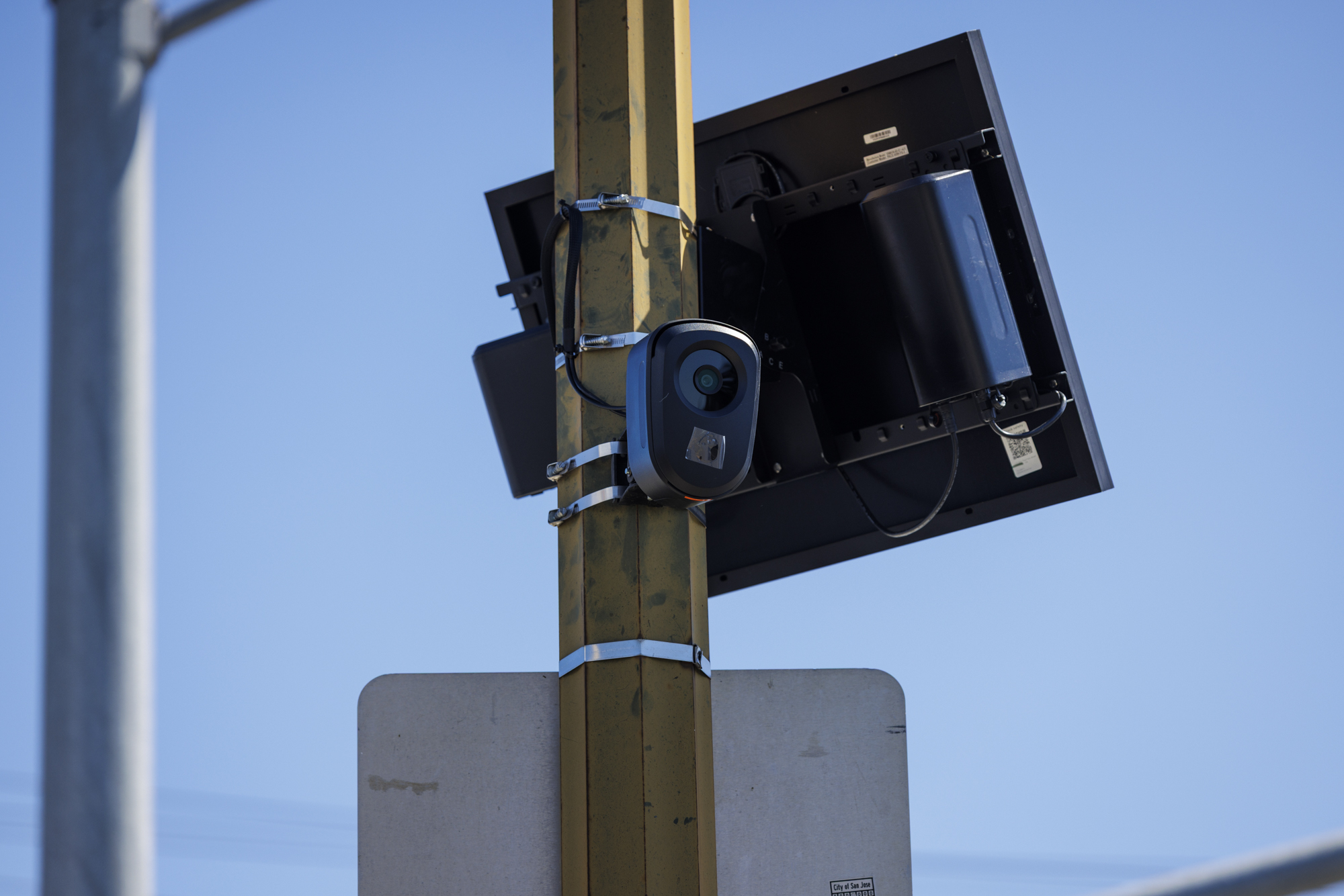
The Ubiquity of Automated License Plate Readers
For millions of drivers, passing a camera on a patrol car or a stationary pole has become a routine part of daily life. Today, at least 230 police and sheriff's departments across the United States have integrated Automated License Plate Readers (ALPR) into their operations. While proponents argue that this technology is essential for tracking stolen vehicles and identifying suspects, it is also becoming a flashpoint for privacy concerns.
Recent Scandals and Regulatory Pushback
The technology is under renewed scrutiny following recent administrative failures. In Georgia, three employees from the Coweta County Sheriff’s Office resigned following an audit involving Flock-branded camera systems. The incident has prompted the office to request an investigation by the Georgia Bureau of Investigation, highlighting the potential for misuse when systems are not strictly managed.
Meanwhile, the legislative landscape is shifting as cities weigh the cost-benefit of surveillance. Lake City is currently considering putting a nonbinding referendum on the ballot this November to let voters decide on the use of these 'spy cams.' This democratic approach reflects a broader trend: as the tech becomes cheaper and easier to deploy, citizens are demanding more say in how their movements are recorded.
Balancing Law Enforcement Needs with Fourth Amendment Rights
The legal debate over ALPRs is complex. Since 2004, when the FBI’s Criminal Justice Information Services Advisory Policy Board first approved the program, it has been used to aid in everything from locating escapees to identifying robbery suspects. However, critics argue that the sheer scale of data collection—often sold by private companies to law enforcement—invites abusive surveillance practices that could violate the Fourth Amendment.
- Proponents note the ability to instantly check plates against 'hot lists' of wanted vehicles.
- Privacy advocates argue that constant scanning impacts 'surveillance discretion' and creates a pervasive tracking environment.
- Legal scholars are still debating whether the use of ALPRs without a warrant constitutes a search under the Fourth Amendment.
- Regulatory bodies like the International Association of Chiefs of Police (IACP) have issued various policy and operational guidance to try and standardize ethical usage.
ALPR technology, by its nature, encourages abusive investigation practices that threaten privacy. It impacts the 'surveillance discretion' of officers.
— The Ohio State Technology Law Journal