A Boulevard Under Scrutiny
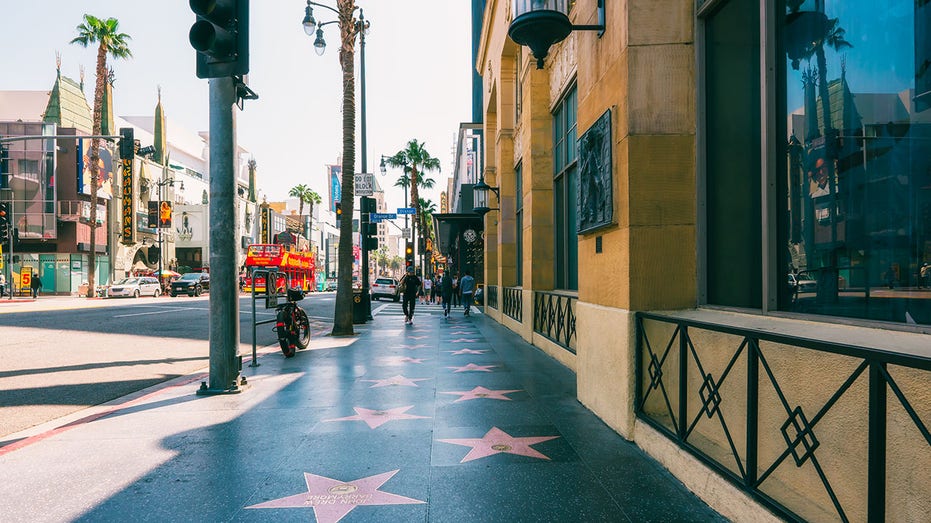
For decades, the Hollywood Walk of Fame has served as the ultimate barometer of stardom. Designated as a Los Angeles Historic-Cultural Monument in 1978, the stretch of sidewalk is synonymous with the glitz of the industry. However, recent reports from historians and locals suggest the boulevard is facing a crisis of identity, citing cracked stars and an environment that feels increasingly removed from the glamour of its past.
The High Cost of Stardom
While the Walk continues to add new names, the process is far more rigorous than fans might expect. Earning a star isn't merely about fame; it requires a complex nomination process and a sponsorship fee that covers the creation and long-term maintenance of the monument. Despite the prestige, some of the world's most recognizable figures—including icons like Beyoncé and Al Pacino—do not have stars, often due to personal choice or the selection criteria.
Recent Milestones and Controversy
The landmark remains a headline-maker. Recently, Sir David Beckham made history as the first footballer to receive a star, highlighting the Walk's shift toward honoring broad cultural impact beyond traditional cinema. Yet, the boulevard also faces modern challenges, including instances of vandalism and heated public debates regarding whether the area can be effectively restored to its former glory.
- The Walk of Fame was designated as LA Historic-Cultural Monument #194 in 1978.
- Maintenance costs are funded in part by the sponsorship fees paid by honorees.
- Not all stars are on the ground; some unique commemorations exist in different formats.
- Historical revitalization projects have previously expanded the walk to increase tourism.
Getting a Hollywood star isn't just about fame. It's about talent, legacy, cultural impact, and yes, a lot of paperwork, too.
— IndigoMusicdotcom