cybersecurity••4 min read

Why Digital Executive Protection is the New Strategic Imperative for CEOs

Modern cyber attackers are increasingly bypassing corporate firewalls by targeting the personal digital lives of high-level executives. Experts are now calling for comprehensive digital executive protection to secure the weakest links in the corporate chain.

Why Digital Executive Protection is the New Strategic Imperative for CEOs

The New Front Line: Your Personal Life

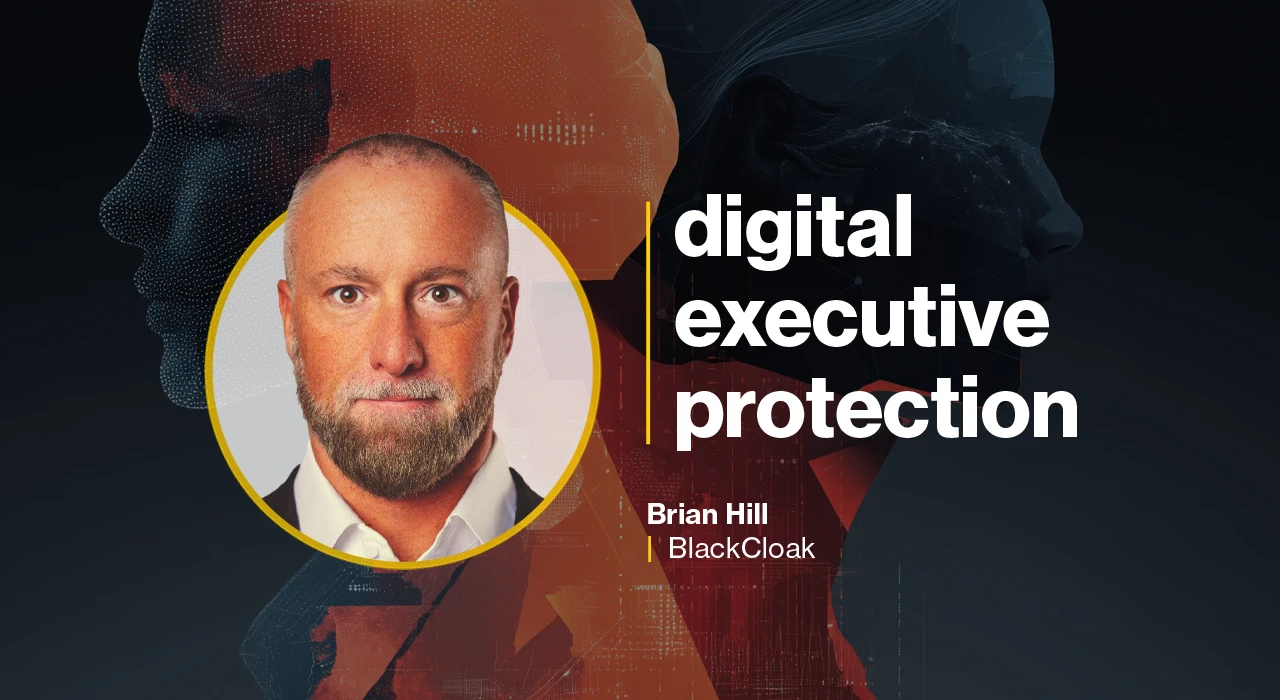
For years, corporate cybersecurity focused heavily on fortifying network perimeters and securing data centers. However, as enterprise-grade security becomes harder to crack, threat actors have shifted their sights to a much softer target: the personal digital footprint of the C-suite. According to Brian Hill, Field CISO and Client Advisory for BlackCloak, digital executive protection has moved from a niche concern to a strategic imperative for modern CEOs.

How Personal Vulnerabilities Become Corporate Catastrophes

The divide between personal and professional digital security is effectively non-existent for high-profile executives. Attackers leverage vulnerabilities in home networks, personal devices, and private accounts to gain an entry point into a company's sensitive infrastructure.

  • Unsecured home networks: Home routers and IoT devices are often poorly configured, providing an easy tunnel into an executive's home office.
  • Lack of MFA: Sensitive corporate documents left in personal, non-MFA protected email accounts provide a goldmine for bad actors.
  • Public and hospitality Wi-Fi: Hotel networks and public hotspots remain common vectors for planting malware on executive hardware.
  • Third-party maintenance: External service technicians, such as AV installers, can inadvertently compromise home network security by swapping cables or misconfiguring hardware.

Attackers reach companies through the personal lives of executives. A draft report sitting in an executive’s personal email with no multifactor authentication can lead to traders acting on information before the news goes public.

— Brian Hill, Field CISO, BlackCloak

The Strategic Shift

The reality for modern leaders is that their personal cybersecurity posture is intrinsically linked to the financial health and reputation of their organizations. Organizations must now treat executive protection as a fundamental component of their overall risk management framework, rather than an afterthought. This requires proactive monitoring, hardening of home digital environments, and a comprehensive understanding of the digital footprint that executives leave behind.

Key Takeaways

  • Cybercriminals are prioritizing personal digital vulnerabilities as a backdoor into corporate systems.
  • The lack of multi-factor authentication (MFA) on personal email accounts is a major security risk for executives.
  • Home infrastructure, such as poorly configured routers or AV setups, can be exploited to gain network access.
  • Executive protection is no longer just physical; it is a critical digital strategic imperative.
  • Companies must secure the 'personal-to-professional' bridge to prevent sensitive information leaks.

FAQ

What is digital executive protection?

It is the practice of securing an executive's personal digital life—including home networks, personal accounts, and devices—to prevent cyberattacks that target their professional role.

Why do hackers target executives' personal lives?

Personal accounts and home devices often have weaker security measures than corporate systems, providing an easier path for attackers to access sensitive corporate information.

How can home services impact corporate security?

Technicians installing home electronics can accidentally misconfigure network security settings, leaving an open window for hackers to gain remote access to an executive's home office.

What is the biggest risk for an executive's personal email?

Storing sensitive corporate documents in a personal email account that lacks multi-factor authentication (MFA) allows attackers to easily intercept or steal proprietary information.

Related Videos

The Future of Executive Protection: Layering Technology, Intelligence, and Response

AlertMedia

Five Ways to Limit Executive Exposure: Essential Strategies for Digital Security

BlackCloak

Ep.11 The Art of Crisis Management in Executive Protection

AdvanceWork

Sources