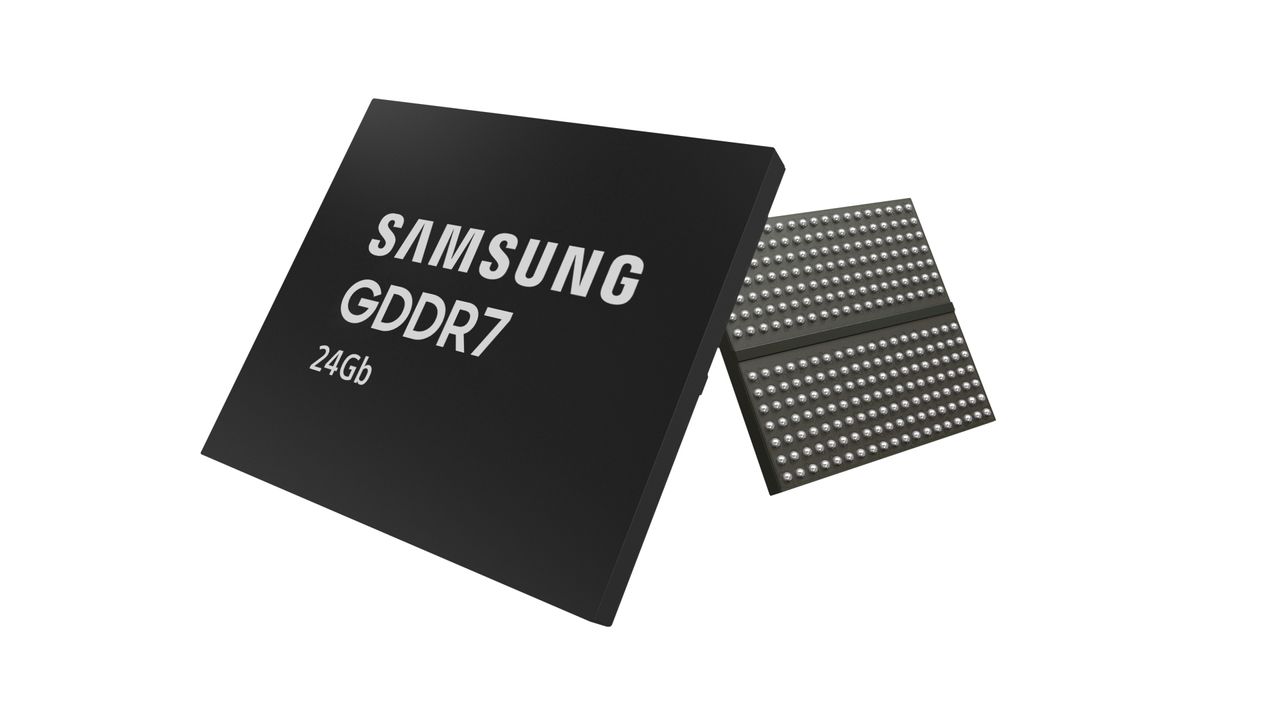
A New Era of Hardware Constraints
If you have been holding off on a PC build or a laptop upgrade hoping for prices to stabilize, you may be in for a long wait. Samsung, which accounts for roughly one-third of global memory production, has confirmed that the ongoing 'RAM-pocalypse' is not a temporary dip but a long-term structural reality. According to the company's executive vice president of memory, Jaejune Kim, the current supply crunch is expected to deepen in 2027 and persist through at least 2028.
This is a significant shift for the industry. While previous memory cycles were often defined by predictable fluctuations, the current state of the market is being dictated by the massive, ongoing capital influx into AI data centers and hyperscale computing infrastructure.

Why AI is Eating the Supply Chain
The primary culprit behind this shortfall is the shift in production priority. Memory manufacturers are increasingly allocating their limited capacity to high-margin products destined for enterprise AI servers, such as HBM4, DDR5, and enterprise SSDs. Because these specialized components are essential for the AI arms race, consumer-grade DRAM and NAND are being sidelined.
- AI demand is driving record-breaking profits for memory chip makers, even as consumer hardware becomes more expensive.
- New semiconductor fabs take over three years to build and reach full capacity, meaning supply cannot quickly pivot to meet consumer needs.
- Major companies, including Microsoft, have already begun passing these costs to consumers, evidenced by global price restructuring for Xbox consoles.
The Impact on Your Wallet
For the average consumer, this means the rising cost of hardware is here to stay. Estimates from industry analysts suggest that gaming hardware costs have already risen 16% in 2026 alone. Furthermore, speculation indicates that consumer graphics card prices could see additional 20% to 30% hikes as manufacturers grapple with the higher costs of raw memory components.
Any significant ramp in supply capacity will take considerable time, as the lead time from starting construction of a fab to producing wafers exceeds three years.
— Jaejune Kim, EVP of Memory at Samsung