A Breakthrough in the Search for Life
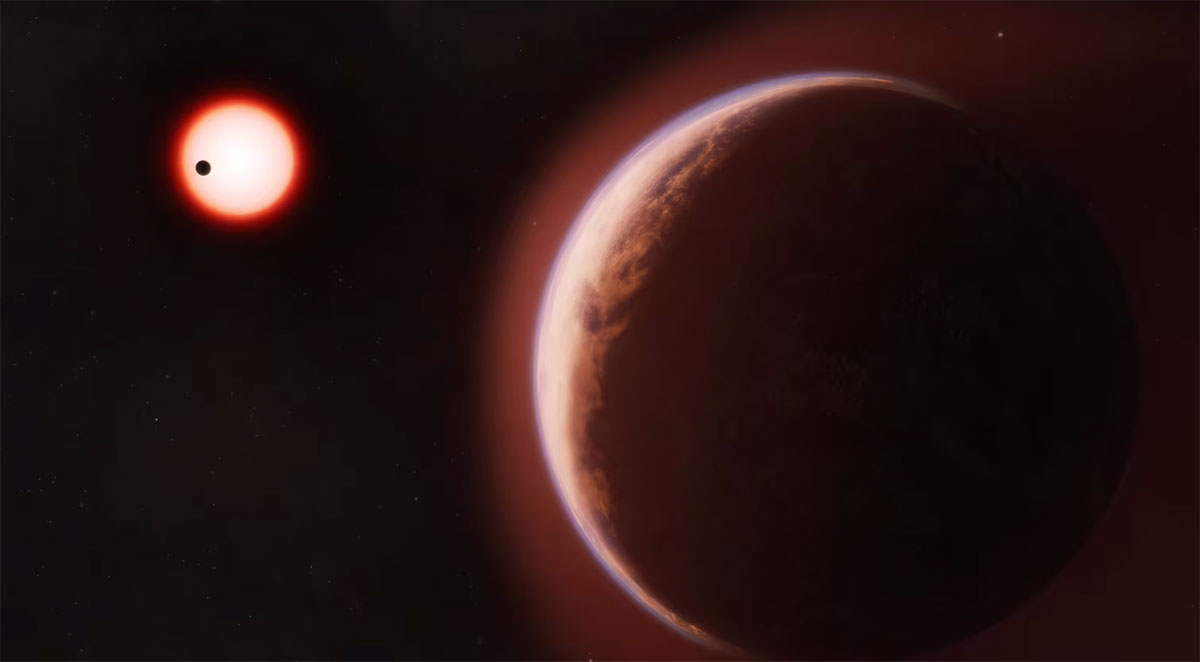
For decades, astronomers have scanned the cosmos for planets that mirror our own, seeking the elusive combination of rock, liquid water, and a protective atmosphere. Now, new research regarding LHS 1140b—a super-Earth located 49 light-years away—suggests we may have finally found a prime candidate for such conditions.
Located in the 'Goldilocks zone' of its host star, where temperatures are theoretically right for liquid water, LHS 1140b is approximately five times the mass of Earth. While we have discovered thousands of exoplanets since the 1990s, confirming an atmosphere on a rocky, Earth-like world remains the 'holy grail' of planetary science.
What We Know About LHS 1140b
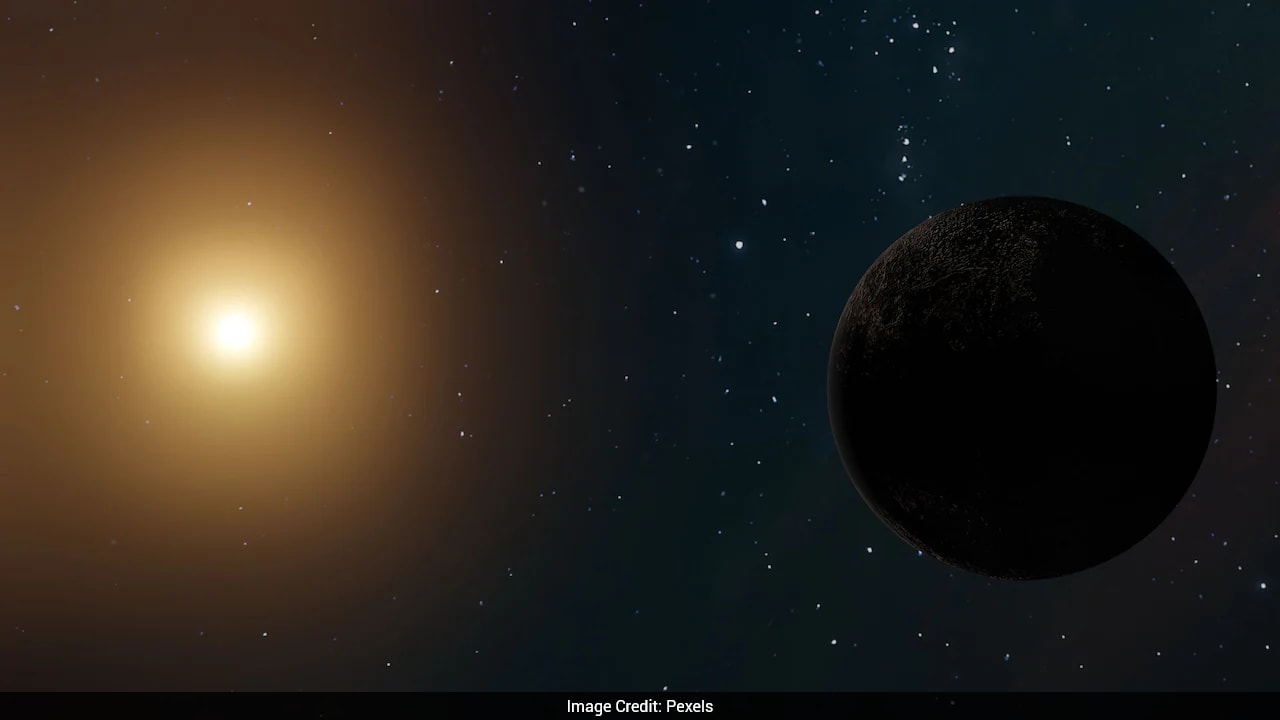
The study, led by planetary scientist Collin Cherubim and his team, suggests that the planet likely features an iron core and a silicate mantle. Most importantly, observations have revealed signs of a helium-rich atmosphere. Interestingly, the behavior of this atmosphere appears to be dynamic; data from 2024 showed helium escaping due to stellar radiation, while 2025 observations showed no such activity, indicating a potentially variable atmospheric escape rate.
- Distance: 49 light-years from Earth.
- Mass: Roughly five times the mass of Earth, qualifying it as a 'super-Earth'.
- Habitability: Located within the habitable zone where liquid water could exist.
- Atmosphere: Evidence points to a helium-dominated upper atmosphere.
I think it's the best place to look for life outside the solar system at this point. It's mostly rocky, it's at the right temperature to support liquid water on the surface, and it has an atmosphere — those are the three key ingredients we look for.
— Collin Cherubim, Lead Author and Planetary Scientist
The Path Forward
While this discovery is a 'sigh of relief' for researchers questioning whether rocky planets around red dwarf stars could retain atmospheres, scientists are urging caution. There is currently no proof of life, and confirming the total composition of the atmosphere remains the next major challenge. Future observations from the James Webb Space Telescope and Hubble will be critical in determining whether LHS 1140b is a genuine twin to Earth or a unique planetary oddball.