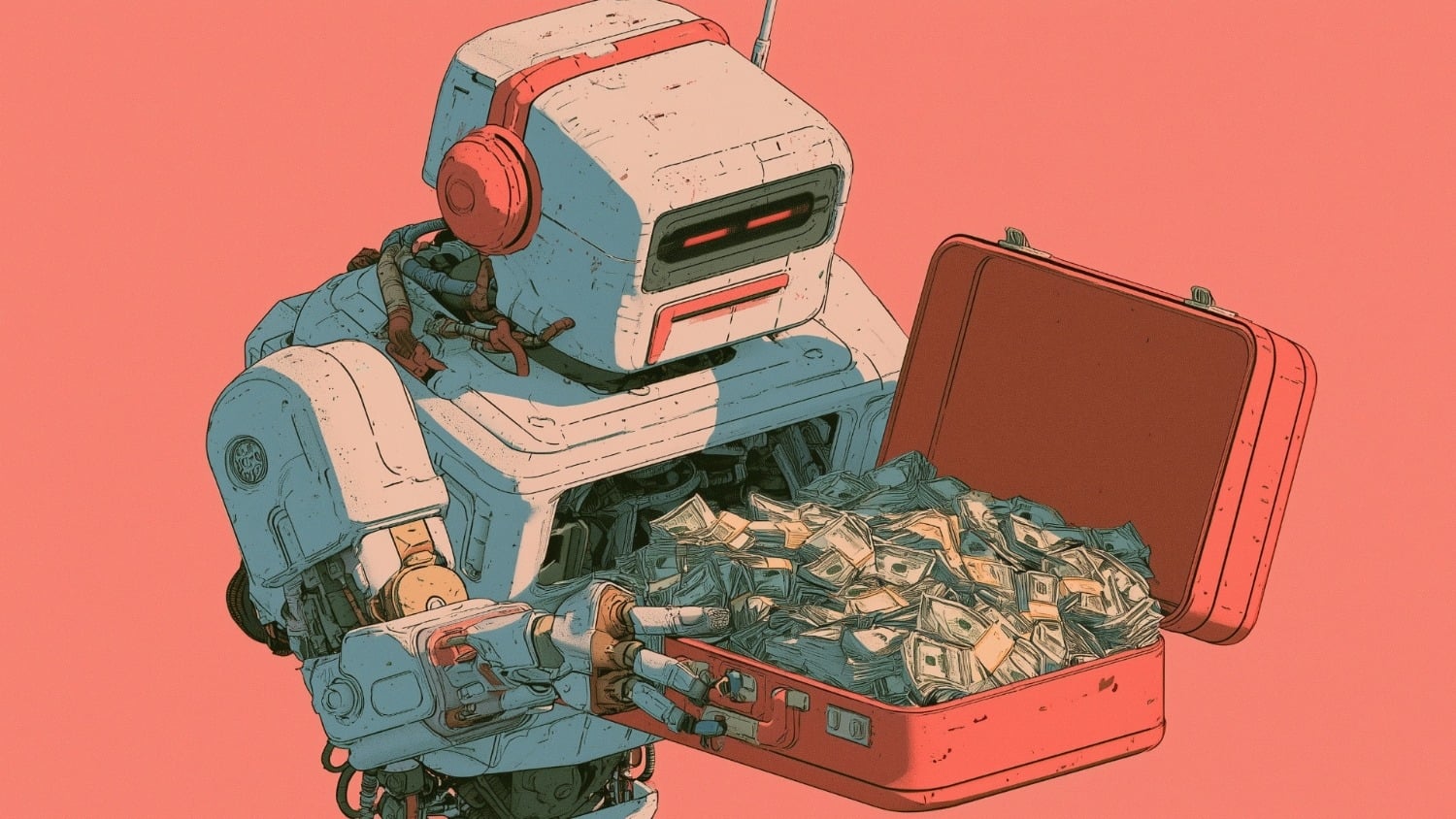
A Staggering Financial Gamble
Since the AI boom accelerated in 2023, the 'Big Four' tech giants—Google, Amazon, Microsoft, and Meta—have collectively funneled more than $1 trillion into artificial intelligence infrastructure. This unprecedented capital expenditure covers everything from sprawling data centers and energy procurement to the specialized high-bandwidth memory (HBM) chips required to power large-scale models.
According to recent financial reports, the spending shows no signs of slowing down. Analysts project an additional $745 billion could be added to this total in 2026 alone. For these companies, the goal is clear: capture the massive demand for AI computing power before the market consolidates.

The Infrastructure Paradox
Despite the massive investments, the industry is grappling with a growing economic disconnect. Research into corporate AI adoption suggests that a significant majority of projects have yet to deliver meaningful commercial returns. While Big Tech is building the largest infrastructure in human history, there remains an open question: who will pay for it?
- Big Tech giants have committed a combined $2.4 trillion in long-term infrastructure spending.
- Energy consumption and power availability for data centers have become significant operational hurdles.
- Smaller businesses and consumers are expressing concerns over rising digital costs and the dominance of a few powerful players.
A New Challenger: The Rise of Efficient AI
While the titans battle over massive infrastructure, the market is beginning to see alternatives focused on cost-efficiency. DeepSeek recently launched its V4-Flash model, which is reportedly one of the least expensive models to operate globally. Benchmark tests indicate it is significantly cheaper to run than many flagship models from leading competitors, including those from Anthropic.
DeepSeek’s flagship AI model is by far the least expensive to run on benchmark tests among well-known models globally, offering a potential path forward for cost-conscious AI adoption.
— Research Firm Reports