economy & society••5 min read

The Invisible Economy: Why Women’s Unpaid Labor Remains the World's Missing Metric

Thirty years after the landmark Beijing Declaration, global economic systems still fail to account for the billions of hours of unpaid labor performed by women. New research reveals that until this essential work is valued, true gender equality will remain an elusive goal. Understanding this systemic oversight is the first step toward a more accurate economic future.

The Invisible Economy: Why Women’s Unpaid Labor Remains the World's Missing Metric

A Global Oversight

Despite decades of progress in women's workforce participation, the fundamental structures of global economies remain flawed. A recent collection of studies published in the UNSW journal, The Economic and Labour Relations Review, highlights a startling reality: no country on earth has achieved genuine gender equality. The reason? The world refuses to account for the billions of hours of unpaid labor that sustain families, communities, and national economies.

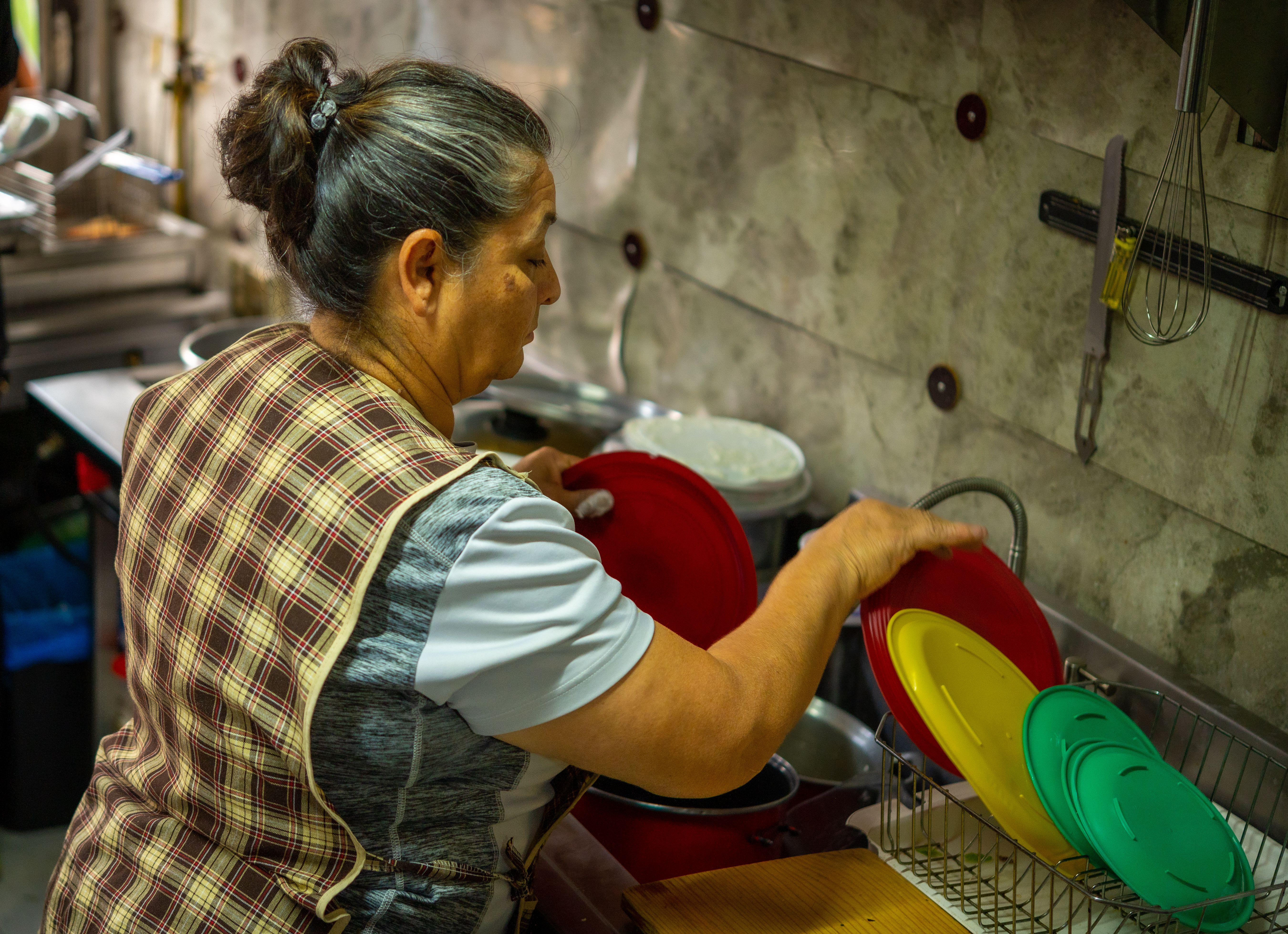
From child-rearing and elder care to meal preparation and home maintenance, this work is the backbone of society. Yet, in the eyes of traditional economic measures like Gross Domestic Product (GDP), it is considered invisible. This 'hidden' work creates a significant barrier to economic empowerment, forcing millions of women into a 'double burden' where they balance full-time paid employment with the uncompensated, constant demands of household care.
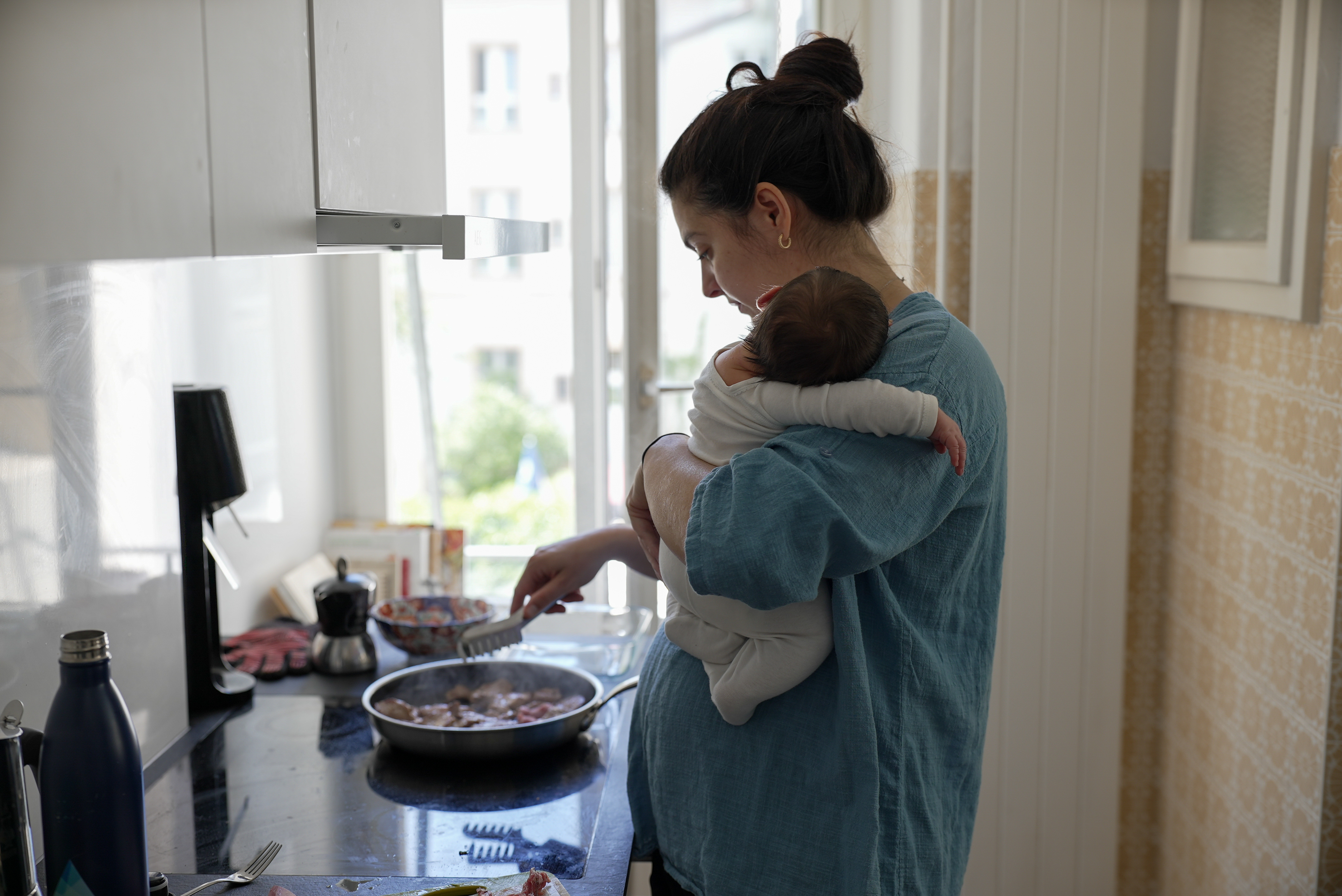
Domestic labor, such as caregiving, is essential to the economy but remains excluded from standard GDP calculations.

The Economic and Human Toll

The exclusion of unpaid labor from economic metrics isn't just a technical oversight; it has profound real-world consequences. By assigning zero monetary value to domestic responsibilities, governments and corporations systematically undervalue the labor required for human survival and societal health.

  • Economic Undervaluation: Trillions of dollars in essential labor are omitted from global economic reports.
  • The Double Burden: The expectation to manage both home and career leads to higher rates of burnout and stress among women.
  • Career Progression: The lack of support for caregiving roles often stunts professional advancement and wage growth.
  • Policy Blind Spots: Because the work isn't tracked, policy interventions aimed at gender equality often miss the root causes of economic disparity.

Not one country has achieved gender equality – and won’t, until all labour is valued.

— UNSW Economic and Labour Relations Review researchers

Moving Toward a New Standard

Thirty years after the Beijing Declaration pledged to advance gender equality, the conversation is shifting toward how we define 'work.' Experts argue that until time-use data and unpaid care contributions are integrated into how nations measure success, the promise of equality will remain unfulfilled. Reframing the economic narrative is not just a social imperative—it is an economic necessity for a stable, thriving future.

Key Takeaways

  • No country in the world has yet reached true gender equality.
  • Unpaid domestic and care work is not officially counted in GDP.
  • The 'double burden' of work and home life contributes significantly to burnout and limited career progression.
  • Unpaid labor, if valued, would represent trillions of dollars annually.
  • Policy changes must focus on recognizing and valuing care work to achieve economic parity.

FAQ

Why isn't unpaid labor included in GDP?

Traditional economic metrics like GDP were designed to track market transactions and paid output. Because unpaid care work does not involve a financial exchange, it has historically been omitted from official accounting.

What is the 'double burden'?

It refers to the situation where women are expected to manage the demands of a full-time paid career while simultaneously performing the majority of unpaid household chores and caregiving duties.

Has any country achieved gender equality?

According to the latest research, no country has yet achieved genuine economic empowerment and gender equality.

How does unpaid labor affect the economy?

It is essential to the functioning of families and communities. If the value of this labor were calculated, it would represent a significant, multi-trillion dollar share of global economic activity.

Related Videos

What is the real value of unpaid work?

UN Women

What Is The Surprising Economic Value Of Unpaid Labor?

Long Life Blueprint

Why Is Global Unpaid Labor So Economically Significant?

Long Life Blueprint

Sources