A New Era of Cosmic Discovery
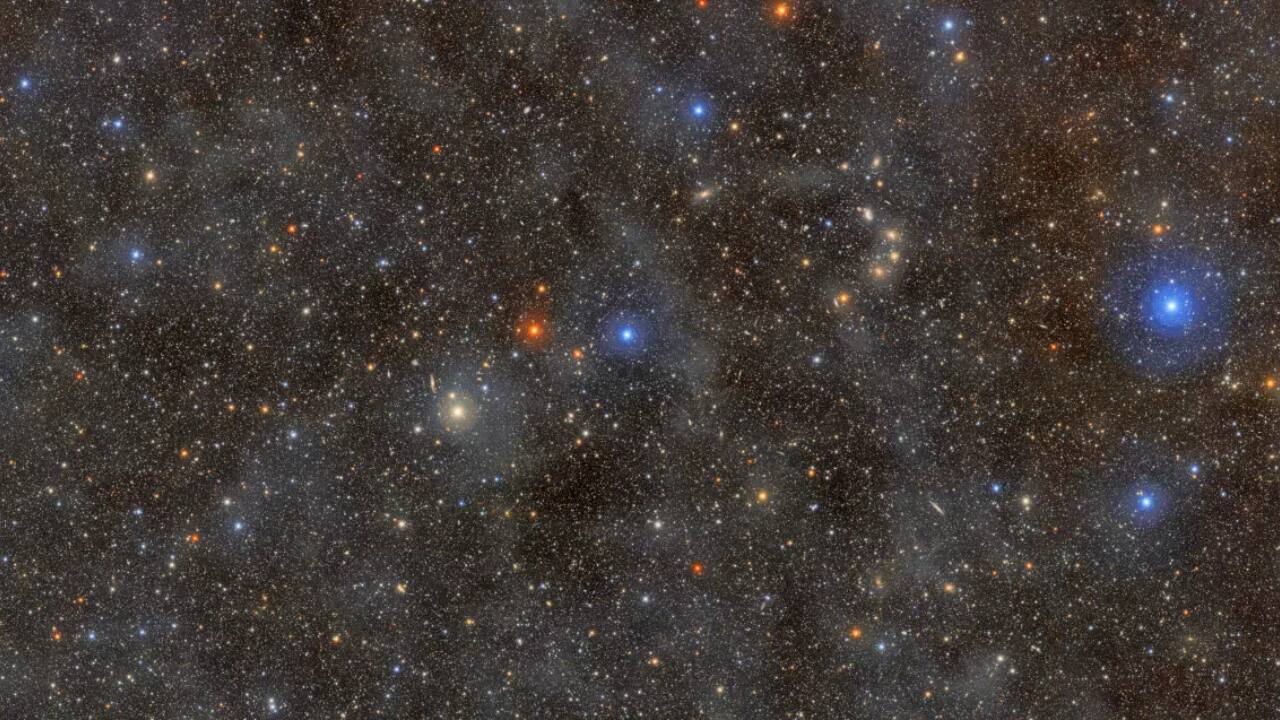
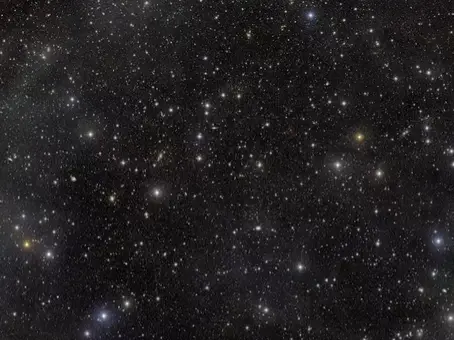
In a landmark achievement for modern astronomy, the Vera C. Rubin Observatory has released its first ultra-deep-space images, providing an unprecedented view of the cosmos. By utilizing the world’s largest digital camera, researchers have captured a single frame packed with more than 500,000 galaxies and 50,000 stars, offering a detailed glimpse into the evolution of our universe.
The release is more than just a stunning visual—it signals the commencement of the Legacy Survey of Space and Time (LSST). This ten-year mission aims to create a continuous, time-lapse map of the entire Southern sky, helping scientists unlock mysteries ranging from dark matter to the movement of asteroids near Earth.
)
What Lies Inside the Frame
The images reveal a complex tapestry of celestial bodies. Within a single frame, astronomers can distinguish between various types of galactic formations, including:
- Spiral galaxies displaying intricate, well-defined arms.
- Smooth elliptical galaxies.
- Galaxies caught in the act of cosmic collision.
- Faint, red galaxies dating back to the early universe.
AI Integration and Operational Milestones
The observatory’s operational success is bolstered by sophisticated automation. Recent reports highlight that AI models are now managing the planning for telescope operations, dynamically adjusting schedules based on real-time factors like atmospheric conditions, humidity, and lunar brightness.
The decision to officially begin the LSST was made after a period of system optimization and a careful operational review of technical readiness, data system performance, and scientific validation.
— Željko Ivezić, Head of LSST
As the survey progresses, the Rubin Observatory is expected to generate approximately half an exabyte of data over its ten-year lifespan. This massive influx of information will be processed using advanced algorithms to track and catalog every astronomical object in its field of view, making the data available to the global scientific community via the U.S. Data Facility at SLAC.