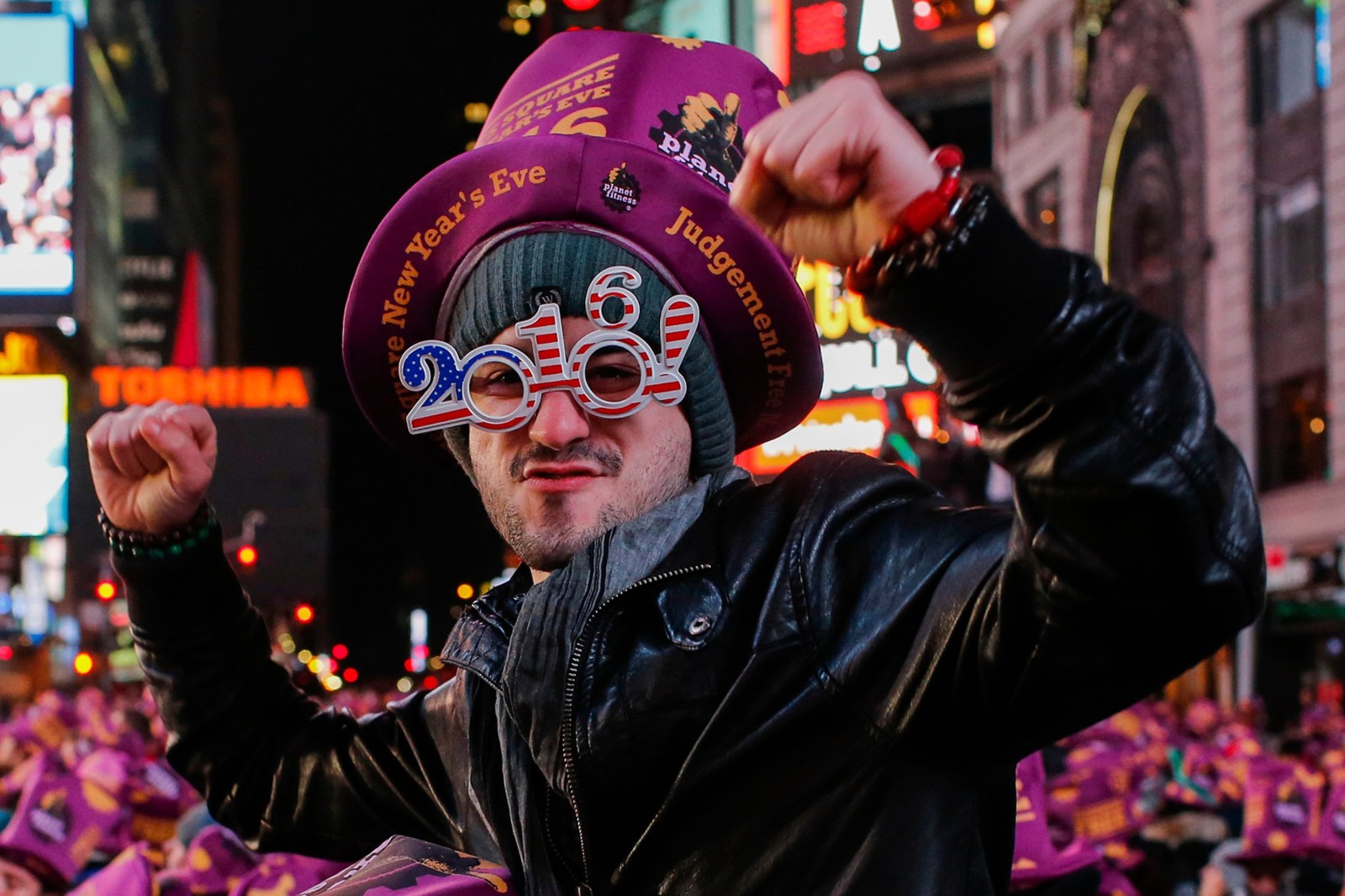
A Decade in Reverse
If you have spent any time on social media recently, you might feel like you’ve been caught in a time loop. Between the rise of specific aesthetics and a collective longing for the digital landscape of the mid-2010s, 2026 is increasingly being framed as the spiritual successor to 2016. But why are we looking backward at a year that, at the time, felt chaotic enough on its own?
The Last Gasp of Monoculture
According to cultural observers and NPR, one of the primary drivers of this trend is the loss of 'monoculture.' In 2016, social media users often engaged with the same viral moments, music, and memes simultaneously. Today, algorithmic personalization creates individualized echo chambers, leaving many feeling isolated in their digital consumption.
- Spontaneous posting: Social media in 2016 was less about personal branding and more about sharing fun, unfiltered content.
- Cultural unity: The feeling that everyone was having the same cultural conversation at the same time.
- Escapism: After the global exhaustion of the post-2020 era, 2016 serves as a mental reset point—a time that feels 'carefree' by comparison.
- Coping mechanism: Recreating the past has become a strategy for Gen Z to reclaim a sense of youthfulness that they feel was interrupted by global crises.
Why Now?
The irony of this nostalgia isn't lost on critics. 2016 was, by most accounts, a year defined by significant political shifts and high-profile celebrity losses. Yet, in the rearview mirror, it represents the final moment before the internet felt like a 'corporate hellhole' cluttered with endless advertisements and hyper-optimized content. For many, it represents the final era where the world felt like it was changing, rather than unraveling.
It is funny to see how many celebrities but also just regular people are thinking about 2016 as, like, the last time that we were all on the same page.
— NPR Cultural Commentary