The Merger Rumors That Won't Go Away
A firestorm of speculation ignited this week following reports that Tesla executives were exploring a separation of the company's China business. According to initial reports, the move was allegedly intended to pave the way for a merger with SpaceX, clearing a path through the complex regulatory landscape that separates U.S. defense contracting from Chinese market operations.
The potential logistical nightmare of such a merger is obvious. SpaceX is a critical U.S. defense contractor, responsible for sensitive satellite launches and classified payloads. Beijing has long been wary of foreign corporations that hold vast amounts of data on Chinese citizens—Tesla currently serves approximately two million drivers in the region. Combining these two entities would require an unprecedented level of firewalling between Tesla's Chinese infrastructure and SpaceX's American defense operations.

Musk Dismisses the Narrative
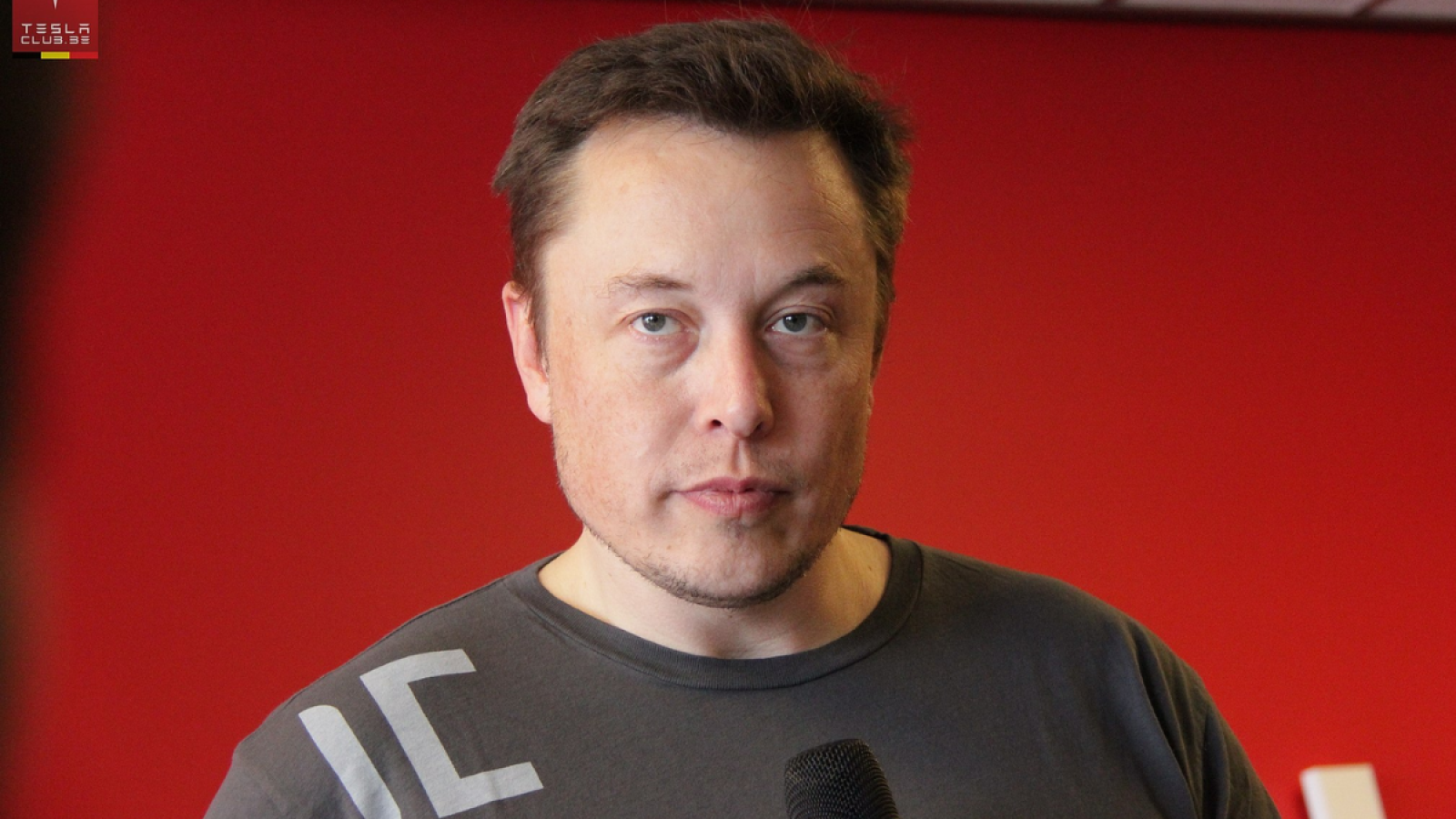
Elon Musk did not hesitate to address the speculation. Taking to his social media platform, X, Musk dismissed the reports of a China spin-off and a potential SpaceX merger as 'outrageous fake news.' The denial serves as a strong signal to investors who have been weighing the merits of such a massive corporate consolidation.
While the merger remains a popular topic for analysts and market speculators, the practical reality is fraught with hurdles:
- Regulatory scrutiny from both Washington and Beijing regarding data security and military ties.
- The complexity of separating a major manufacturing hub like the Shanghai plant.
- SpaceX's status as a critical U.S. defense contractor, which prohibits certain foreign entanglements.
- The significant market share China represents for Tesla, accounting for approximately 18% of global sales.
Merging with SpaceX presents unique challenges. SpaceX, a key U.S. defense contractor, would require separation from Tesla’s China operations to shield that segment from Chinese regulatory oversight.
— Industry analysis reporting