From Textbooks to Tradition
In an era dominated by digital screens and rapid globalization, schools in Zimbabwe are finding new ways to ensure students stay connected to their roots. Baradzanwa Cultural Village in Mazowe has emerged as a focal point for this movement, offering an immersive environment that bridges the gap between traditional classroom theory and the living history of the Zimbabwean people.
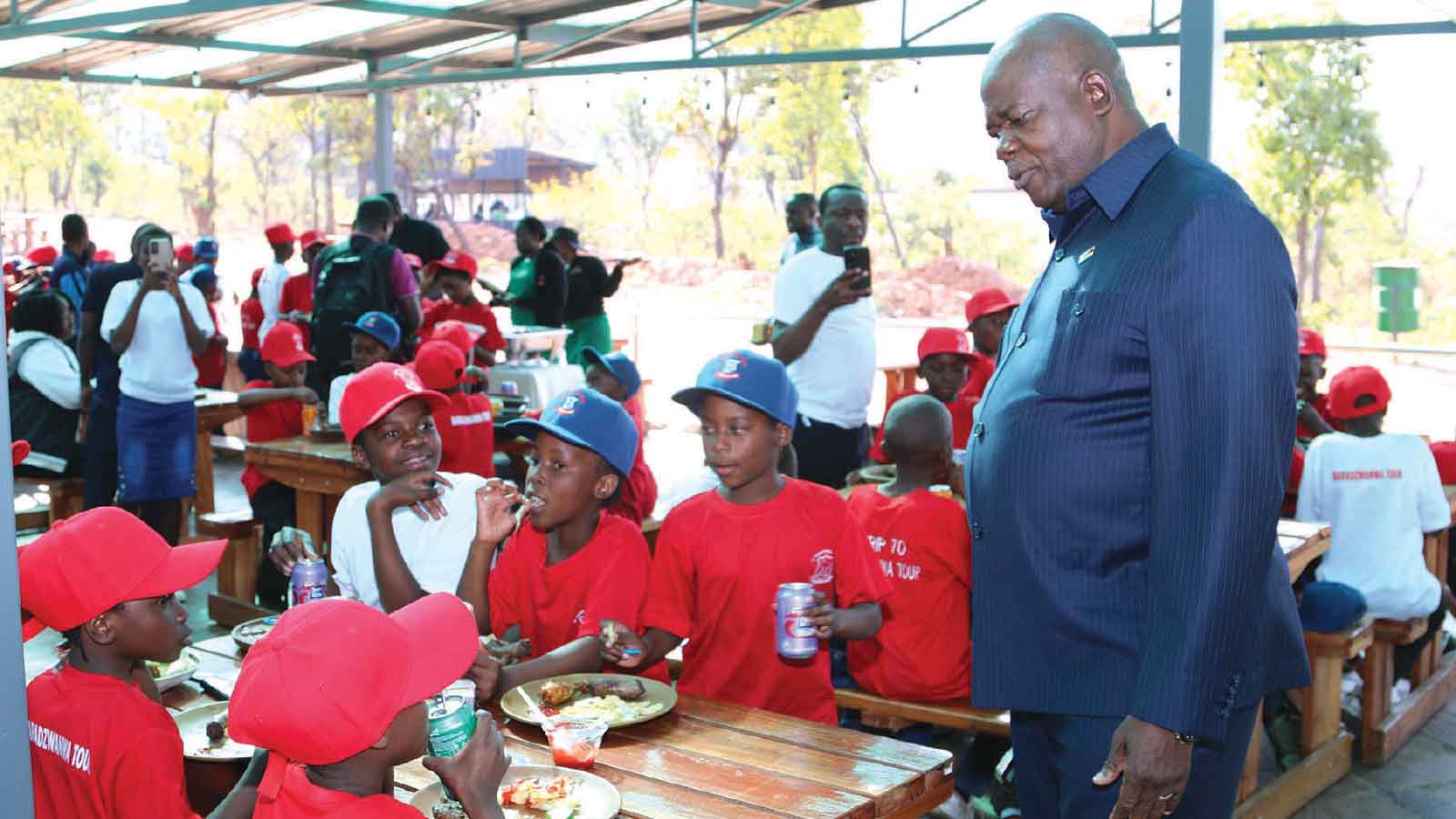
Recently, St Aidan’s Primary School from Chitungwiza brought 96 learners to the village, replacing standard lesson plans with the sounds of traditional drums, the aroma of indigenous cuisine, and the practice of ancestral customs. This visit marks a broader shift toward the Heritage-Based Curriculum, which prioritizes the philosophy of Ubuntu—respect, communal responsibility, and hard work.
A Living Classroom
The experience at Baradzanwa is designed to be fully interactive. Unlike a museum where artifacts sit behind glass, the village functions as a working site where history is practiced daily. Key areas of the immersive curriculum include:
- Culinary Arts: Students learn about traditional food preparation, including the use of clay pots and indigenous ingredients like baobab maheu and finger millet.
- Traditional Crafts: Hands-on demonstrations of basket weaving and the use of tools like the huyo and guyo for grinding grain.
- Social Etiquette: Lessons on customs, traditional sitting arrangements, and the values of respect that govern family and community life.
- Performance Arts: Exposure to traditional dances such as mhande, mbende jerusarema, and mbakumba.
Our school is in Chitungwiza, which is an urban setup, so we thought of taking our learners away from that environment to a cultural area where they can appreciate our cultural values, Shona customs, traditions and their own identity as Zimbabweans.
— Mrs. Moreblessing Jongwe, Deputy Head, St Aidan’s Primary School
Building Cultural Resilience
The importance of these trips extends far beyond a day out of the classroom. As globalization continues to influence local knowledge systems, centers like Baradzanwa act as custodians of indigenous wisdom. By engaging with cattle herding, gardening, and folklore, students gain a deeper understanding of the resourcefulness that sustained their ancestors.
For teachers, the center provides a tangible way to teach the Heritage-Based Curriculum. It allows learners to see the relevance of their history in their current lives. As these students return to their schools, they act as ambassadors for their culture, ensuring that the stories and values of their predecessors continue to be celebrated rather than forgotten.