A New Frontier in Human-Robot Collaboration
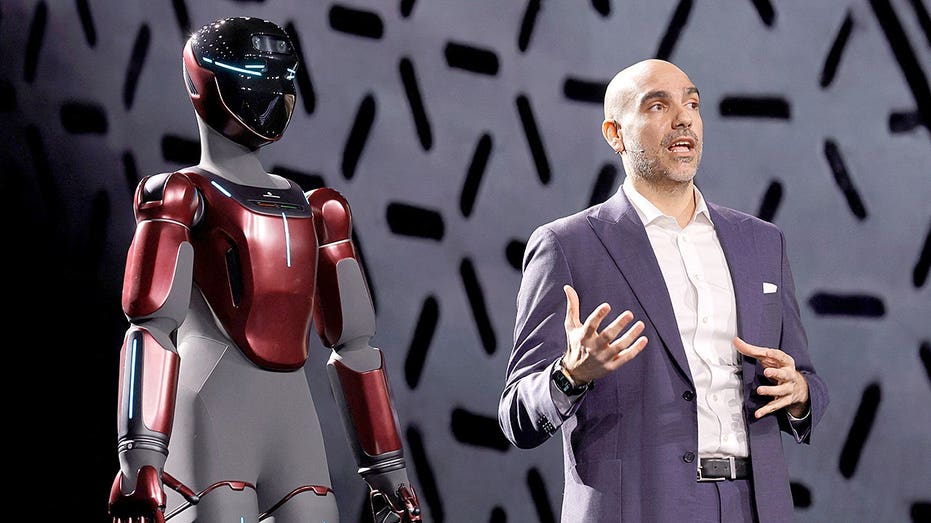
Working alongside industrial robots has historically been a high-stakes environment where one wrong step can lead to serious injury. Generative Bionics is aiming to change that narrative with its latest creation, Gene.01. Debuted at AMD Advancing AI 2026, this humanoid robot is designed to perceive its surroundings with a level of intimacy rarely seen in heavy-duty automation: full-body tactile sensing.
The 'Physical AI' Philosophy
Unlike traditional robots that rely solely on external sensors like cameras or LiDAR, Gene.01 features a 'smart skin' that allows the robot to feel its environment. Built on over 20 years of research at the Italian Institute of Technology (IIT), the robot utilizes what the company calls 'Physical AI.' This approach integrates the body, mechanics, and computational intelligence into one unified system.
- Full-body tactile sensing detects presence before contact occurs.
- Built on two decades of research originating from the Italian Institute of Technology.
- Powered by AMD technology to process physical dynamics and digital intelligence in real time.
- Designed for safer integration into complex industrial workplaces.
Why It Matters
By treating the robot's body as a computational asset, Gene.01 can interpret the physical world more fluidly. This is a crucial step for the robotics industry, which is moving away from caged, automated work cells toward collaborative environments where humans and machines work side-by-side. While the company has yet to release detailed safety performance data, the hardware represents a significant leap in the effort to make humanoid robots predictable and safe partners on the factory floor.
Together, we are redefining human-centric robotics, where the body itself becomes part of the intelligence and computing works seamlessly with the physical world.
— Generative Bionics