A Breathtaking Martian Discovery
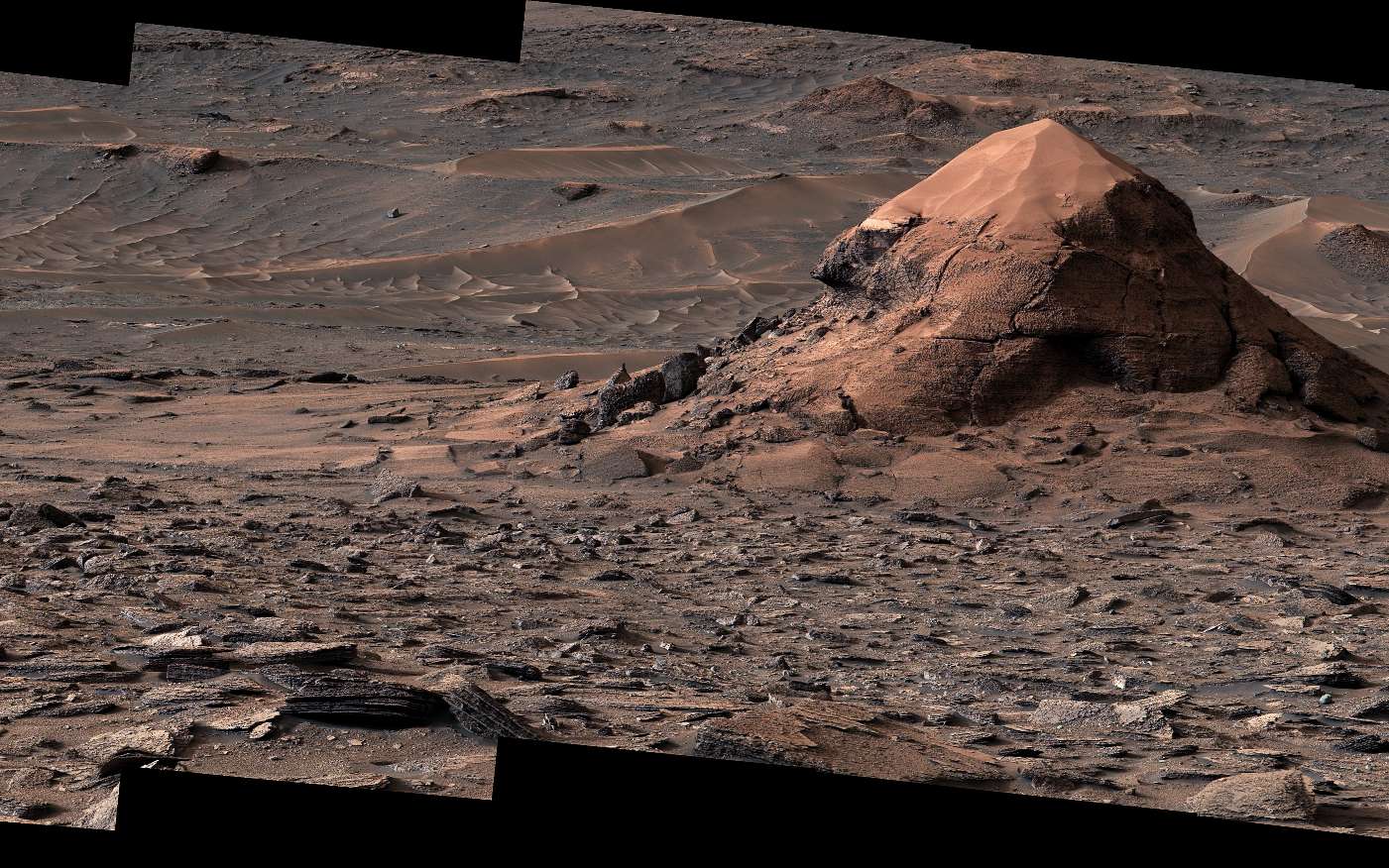
For over a decade, NASA’s Curiosity rover has been our eyes on the ground in the Gale Crater, constantly reshaping our understanding of the Red Planet. Now, a new discovery from the rover has left mission scientists stunned. During its traversal of a region known as Valle Grande, Curiosity captured a panoramic view of a massive, vast field of polygonal, honeycomb-like textures.
While Curiosity has spotted similar geometric shapes in the past, the sheer scale of the Valle Grande discovery is unprecedented. The patterns cover the landscape and even wrap around a 20-foot-tall butte researchers have nicknamed 'Miraflores'.

What Are These Martian Polygons?
The structures are technically referred to as 'polygonal fractures.' Scientists believe these features could be remnants of ancient environmental processes that occurred billions of years ago. The leading theory suggests that these shapes may have formed through repeated wet-and-dry cycles—the same type of geological process that can create patterns in drying mud on Earth.
- The discovery was made using high-resolution 360-degree panoramas captured on June 19 and 20, 2026.
- The patterns, described as a 'sea of polygons,' represent the largest area of such formations ever documented on Mars.
- Curiosity is currently analyzing the chemistry and shapes of these fractures to determine the exact conditions under which they formed.
- These features are located in Valle Grande, an area of significant interest for the Mars Science Laboratory mission.
We’ve seen a lot of fascinating landscapes through Curiosity’s eyes, but this sea of polygons took our breath away. We measured their shapes and chemistry carefully and are hopeful there are clues in the data as to how these features formed.
— Ashwin Vasavada, Project Scientist, NASA’s Jet Propulsion Laboratory
Why This Matters for Mars Exploration
The existence of these patterns offers more than just a stunning photo opportunity; they provide critical data about the history of water on Mars. By studying the composition of these fractures, researchers hope to better understand the climate conditions that existed on the planet billions of years ago. Since Curiosity has previously found evidence that ancient Mars possessed the chemistry necessary to support microscopic life, every new geological feature helps fill in the gaps of our understanding regarding the planet’s habitability.