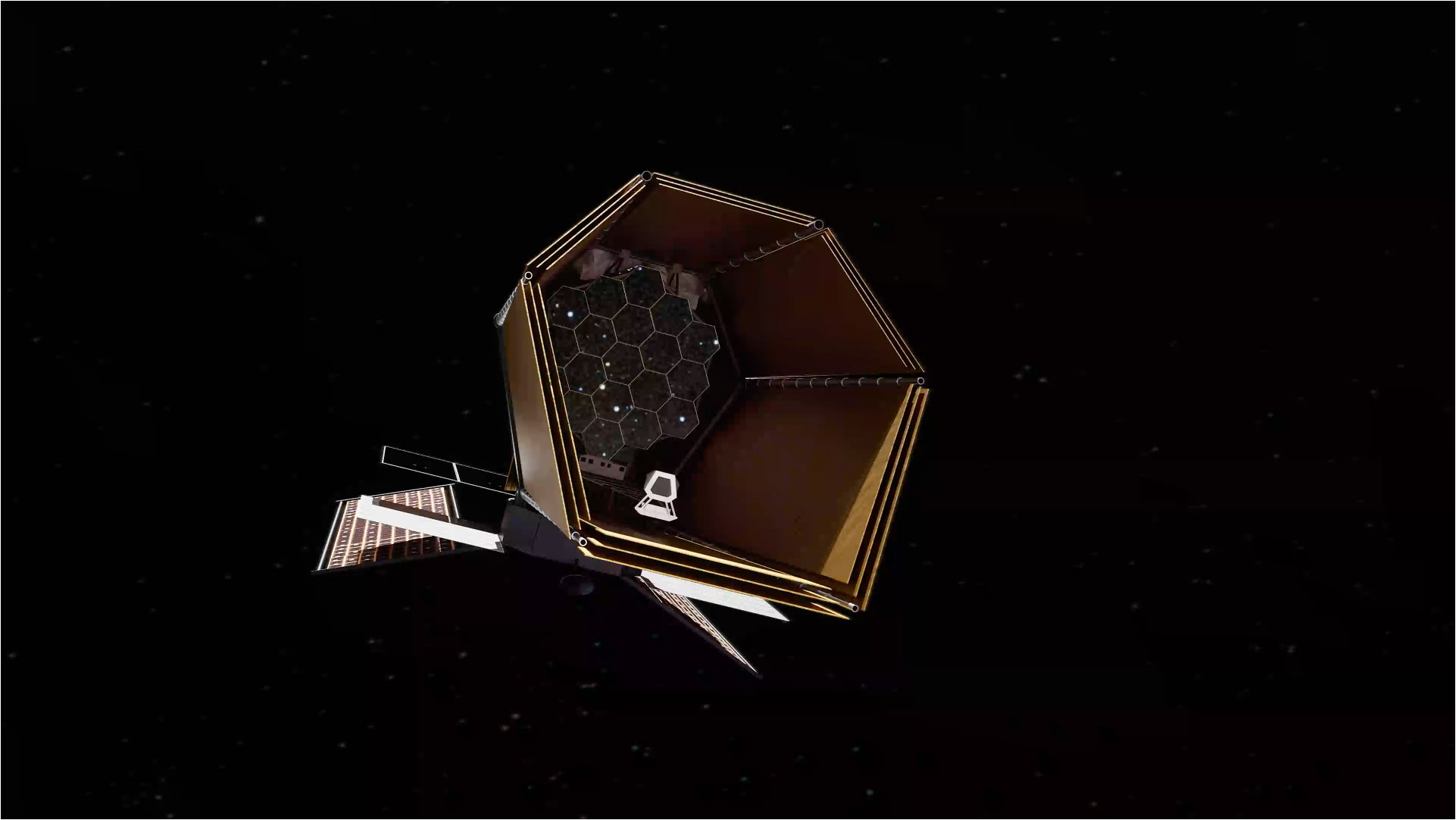
A New Chapter in the Search for Life
The search for life beyond our solar system is shifting from speculative theory to hard science, and the United Kingdom is placing a significant bet on the next big leap. A new £3 million investment aims to ensure British scientists and engineers are at the forefront of NASA’s Habitable Worlds Observatory (HWO)—the first space telescope specifically designed to hunt for life-sustaining worlds.
Finding an Earth-like planet is a monumental task. These worlds are often obscured by the intense glare of their host stars, appearing as nothing more than a faint speck of light near a source 10 billion times brighter. To resolve this, international teams are developing cutting-edge technology to isolate these distant planets for detailed atmospheric analysis.
Why the Habitable Worlds Observatory Matters
The HWO represents a generational shift in observational capabilities. While current telescopes have provided glimpses into the diversity of exoplanets, this mission aims to identify and analyze the atmospheres of planets that could potentially harbor life.
- Advanced instrumentation: UK institutions like Durham University, UCL, and the University of Oxford are collaborating on the complex hardware required to block starlight.
- Atmospheric analysis: Scientists are looking for biosignatures that would indicate life is present on distant exoplanets.
- International collaboration: This investment builds on the UK's long history of leadership in space missions, including significant contributions to the Hubble and James Webb Space Telescopes.
The Promise of Super-Earths
The motivation for such high-stakes engineering is clear. Recently, researchers identified promising signs that exoplanets like LHS 1140b—a 'super-Earth' orbiting a star 49 light-years away—may possess an atmosphere. Such discoveries are the primary targets for future missions, as they offer the best chance of finding habitable environments.
It will be the first telescope designed to search for evidence of life on distant planets. Imagine for a moment it finds evidence of life out there. What an achievement that would be!
— Representative, UK Space Agency