A New Chapter for an Audio Icon
When Apple finalized its $3 billion acquisition of Beats Electronics in 2014, the tech world was polarized. Some questioned if the move was a desperate reach for market share or a strategic play for talent. Twelve years later, the results are clear: Beats didn't just survive; it evolved. By integrating Apple’s legendary obsession with hardware discipline and testing, Beats has transformed from a lifestyle brand into one of Apple’s most capable and unique hardware organizations.
Engineering Under the Hood
Walking through the Beats headquarters in Culver City, it is easy to see that the company is far more than a marketing operation. Matthew Costello, VP of Hardware Engineering at Apple, notes that the integration of the two companies was a delicate balancing act. Many of the core engineering and operations team members who were present on the day the deal closed remain with the organization today, providing essential continuity.
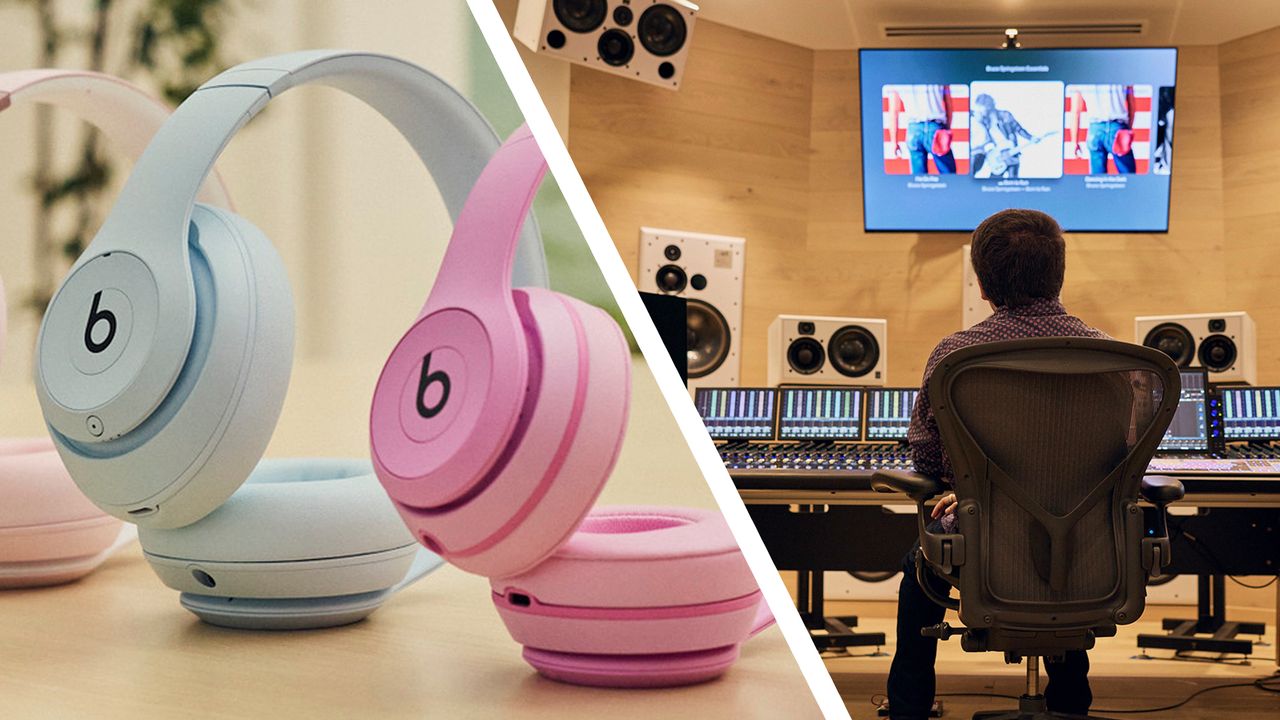
However, the 'Apple touch' is undeniable. Beats products now undergo the exact same environmental, wireless, and reliability testing as the iPhone or MacBook. The laboratory space has been overhauled to include:
- Five dedicated anechoic chambers for precision sound testing.
- Advanced labs focused exclusively on the science of human ear anatomy.
- Controlled listening rooms that ensure consistent audio tuning.
- Diagnostic equipment designed to analyze returned products for recurring hardware failures.
Complementary, Not Competitive
The central strategy behind keeping the Beats brand alive is differentiation. Apple purposefully designed Beats to complement AirPods, not to replace them. While AirPods serve as the standard for Apple-focused convenience, Beats reaches users who want platform versatility. This includes features for Android users and specialized designs for fitness and active lifestyles that AirPods may not address.
We've learned so much from the teams up in Cupertino, and leveraged the core technologies, the processes, the discipline.
— Matthew Costello, VP of Hardware Engineering at Apple