
A New Financial Hurdle for Global Talent
The U.S. international student landscape may be on the verge of a significant transformation. Reports indicate that the Trump administration is weighing a plan to impose a $100,000 fee on international students seeking to participate in the Optional Practical Training (OPT) program after graduation. While a White House official noted that no policy change is imminent, the proposal is currently under consideration, raising alarms across universities and the technology sector.
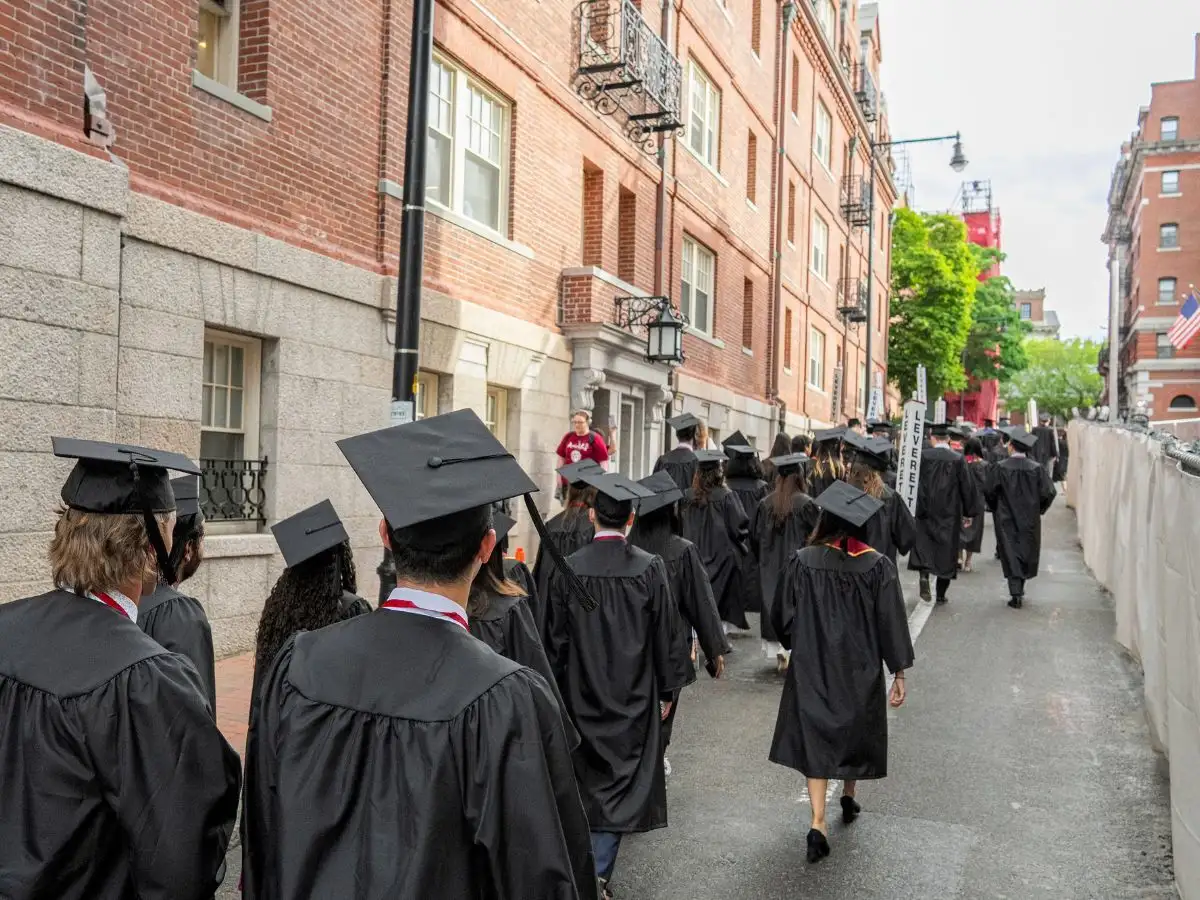
Understanding the Impact on OPT
Optional Practical Training serves as a critical bridge for foreign students, allowing them to remain in the U.S. to work in their field of study. With approximately 418,000 students authorized through the program in 2024, the OPT visa acts as a vital talent pipeline for tech companies and financial institutions. A $100,000 entry price would likely render this path inaccessible for the vast majority of graduates, potentially forcing high-skilled talent to seek opportunities in competing nations like Canada or Australia.
Broader Economic and Academic Consequences
Beyond the individual student, the proposal carries significant weight for American higher education. International students contribute substantial tuition revenue, which often serves to subsidize domestic programs at public universities. Experts suggest that a decline in international enrollment could lead to:
- Increased tuition pressure on domestic students as university revenue gaps widen.
- A reduction in the availability of top-tier STEM talent for U.S. corporations.
- Broader macroeconomic impacts, with some economists warning of potential GDP contractions.
- A shift in global student migration patterns away from the U.S. educational system.
The financial stakes for U.S. universities are enormous. International students pay far higher tuition than Americans, and their fees effectively subsidize domestic students.
— Carnegie Endowment for International Peace
Legal and Historical Context
This proposal follows a similar, controversial move by the administration in 2025, which imposed a $100,000 fee on new H-1B visa petitions. That policy, aimed at employers hiring foreign workers, encountered significant scrutiny regarding its impact on the high-tech workforce. As the administration continues to evaluate immigration tightening, the debate over whether these fees protect domestic labor or stifle innovation remains a central point of contention in Washington.